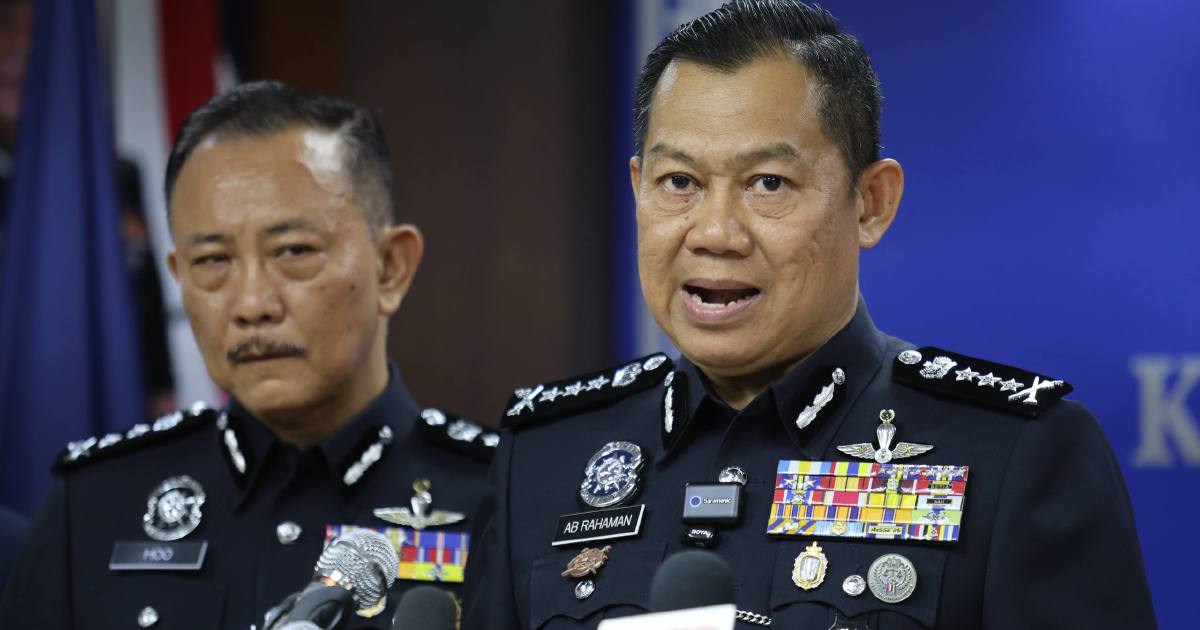
Tomorrow will see significant disruption to traffic flows across Johor as authorities implement staged road closures and diversions affecting 19 major routes in preparation for nomination day in the 16th Johor state election. The coordinated traffic management operation will be concentrated in areas surrounding the various nomination centres that have been established throughout the state, requiring drivers to plan alternative routes well in advance of their journeys.
The decision to close and divert multiple roads reflects the scale of the nomination process and the need to manage large crowds of candidates, party representatives, election officials, and observers who will congregate at each centre simultaneously. Nomination day represents a critical juncture in the electoral calendar, as it formally registers all candidates who wish to contest the upcoming state elections and allows parties to present their campaigns to the public and electoral authorities. The physical infrastructure required to accommodate these activities—including security cordons, parking facilities, and crowd control measures—necessitates careful traffic planning to prevent congestion and ensure the smooth flow of essential traffic.
The staged implementation of these closures underscores the complexity of managing transportation infrastructure across a large state while maintaining operational continuity for commerce, healthcare, and emergency services. Rather than implementing blanket road closures that might paralyse the state economy entirely, authorities have opted for a phased approach that allows traffic to be redirected systematically throughout the day. This strategy balances the requirements of the electoral process with the legitimate needs of residents and businesses who must continue their operations during the nomination period.
For Malaysian commuters and business operators in Johor, particularly those unfamiliar with alternative routes, the upcoming closures present a practical challenge that demands advance planning. The state's economy depends on fluid transportation networks that connect port facilities in Johor Baru, industrial zones, and residential areas, and any disruption to these networks carries economic consequences. Businesses reliant on just-in-time delivery systems or time-sensitive operations may face difficulties if their usual routes become impassable, highlighting the tension between democratic processes and economic activity that is inherent in large-scale electoral events.
The nomination process itself carries significant implications for Johor's political future. The election outcome will determine the composition of the state assembly and, crucially, which party or coalition will govern the state for the next term. Given Johor's status as a key strategic state in Malaysian politics and its historical importance to the ruling coalition, the nomination of candidates represents more than a procedural formality—it signals the leadership's confidence in their electoral prospects and their choice of representatives who will articulate party platforms to voters. The calibre of candidates nominated across party lines often provides observers with insights into which parties are serious contenders and where political competition will be most intense.
Regionally, Johor elections command attention across Southeast Asia and among Malaysian diaspora communities, as the state's governance has implications for broader Malaysian political stability. International observers and regional media often scrutinise these elections as indicators of whether Malaysia's democratic institutions function effectively and whether electoral processes remain credible despite occasional controversies. The transparency and professionalism with which authorities manage the logistical aspects of nomination day—including traffic management—contribute to the overall credibility of the electoral process in observers' assessments.
Residents planning to travel through affected areas tomorrow should check official traffic announcements and allow substantially more time for journeys that would normally traverse the nomination centres' vicinity. Public transportation services may experience increased demand as some drivers opt to avoid private vehicles altogether, placing pressure on bus services and other transit systems. The Johor Land Public Transport Agency and related authorities have likely coordinated with public transport operators to increase service frequencies on routes that will absorb diverted traffic, though capacity limitations may still result in crowded conditions during peak hours.
The nomination process culminates in the publication of the official candidate list, after which campaigning formally commences. This period allows voters to familiarise themselves with their choices and for campaigns to reach their maximum intensity. The actual polling day, which typically occurs within two to three weeks of nomination day, will inevitably generate its own set of traffic management requirements as voters visit polling stations. For election observers and analysts, nomination day provides a snapshot of each party's organisational capacity, financial resources, and grassroots mobilisation, as the quality and breadth of their nominated candidates reflect their preparation for electoral competition.
The 16th Johor state election represents another milestone in Malaysia's ongoing democratic journey, where electoral processes are becoming increasingly sophisticated in terms of management and logistics. The challenge for authorities is ensuring that the infrastructure and systems supporting elections meet international standards while remaining sensitive to local conditions and cultural contexts. The coordination required to manage 19 road closures simultaneously while maintaining public order and facilitating the nominalisation of hundreds of candidates across multiple centres demonstrates the institutional maturity that Malaysian electoral bodies have developed over decades of electoral experience.
For stakeholders across Johor's political spectrum—from political parties investing substantial resources in their election campaigns to civil society organisations monitoring electoral integrity—nomination day marks the point of no return. Once candidates are officially nominated, the election campaign enters its most intensive phase, with parties deploying all available resources to convince voters of their suitability to govern. The traffic disruptions imposed tomorrow are thus a necessary price for conducting democratic processes that will ultimately determine who exercises political power in the state.

