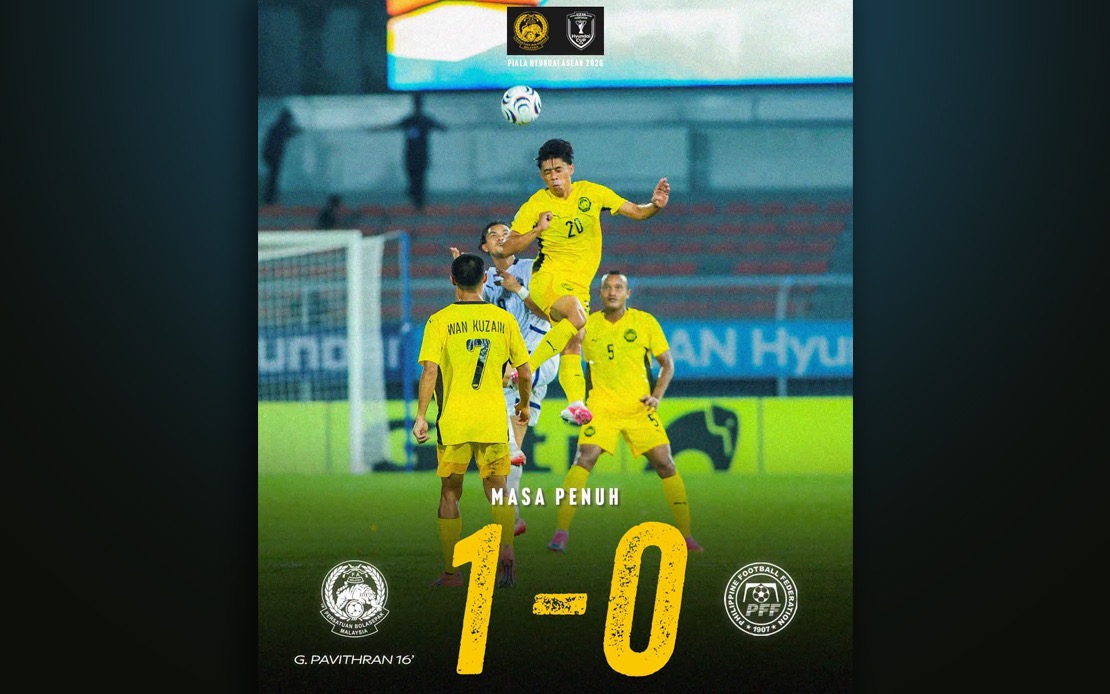
Malaysia's national football team has confirmed its place in the semi-finals of the 2026 ASEAN Cup following a hard-fought 1-0 victory against the Philippines at the Kuala Lumpur Football Stadium in Cheras on August 8. The triumph, achieved in front of a vocal home crowd, represented a crucial step forward for Harimau Malaya under interim head coach Tan Cheng Hoe, who orchestrated a composed performance when only victory would suffice to advance from the group stage.
The Kuala Lumpur Football Stadium's 18,000-capacity crowd created an electric atmosphere throughout the evening, with supporters dressed in black and yellow providing constant vocal encouragement. This home advantage proved instrumental as Malaysia sought to navigate a must-win scenario against a determined Philippine side. The intensity of the occasion was reflected in the urgency both teams displayed from the opening whistle, each acutely aware of the stakes involved in the final group match.
The breakthrough arrived in the 16th minute when midfielder Wan Kuzain Wan Ahmad Kamal delivered a pinpoint cross into the Philippines' penalty area. Centre-back G. Pavithran rose decisively to power a header past the goalkeeper, igniting scenes of celebration among the Malaysian supporters and fundamentally shifting the momentum in Malaysia's favour. This early goal proved psychologically significant, allowing the hosts to assume control of proceedings while placing the Philippines in a position of needing to chase the match.
Following the opening goal, Malaysia managed the game with considerable assurance, maintaining possession and dictating the tempo through the middle of the pitch. Philippines coach Carles Cuadrat's side attempted to respond with attacking forays, searching for an equalising goal that would keep their tournament hopes alive, yet the Malaysian midfield proved sufficiently organised to prevent the visitors from fashioning clear opportunities. The tactical discipline demonstrated by Harimau Malaya's backline restricted the Philippine attack's effectiveness throughout the first half, allowing the home team to enter the interval with their advantage intact.
The second period witnessed a more aggressive approach from the Philippines, who emerged determined to claw their way back into the contest. However, the resilience of Malaysia's defensive unit, anchored by captain Paulo Josue, proved equal to the challenge. Despite sustained pressure from Cuadrat's charges, the Malaysian back line held firm, denying the Philippines any genuine openings despite their increased attacking intensity. This defensive solidarity became the platform upon which Malaysia ultimately secured their progression.
Malaysia came close to doubling their advantage in the 85th minute when Pavithran found himself in a promising position following a low cross from a teammate. However, Philippines defender Jaime Rosquillo intervened decisively to thwart the potential second goal, forcing a wayward effort from the Malaysian player. While this missed opportunity meant Malaysia would not add to their tally, the single-goal margin proved sufficient given their resolute defensive display during the closing stages.
Malaysia's progression was confirmed as they finished second in Group B with a total of nine points, while Thailand secured the group's top position with 12 points accumulated from their matches, including a 2-0 victory over Myanmar in another Group B fixture that evening. The Thai side's superior goal difference ensured their first-place finish, but both teams have successfully advanced to the knockout stage of the competition. This outcome positioned Malaysia and Thailand as the group's representatives in the semi-final round, with the tournament now entering its decisive phase.
The semi-final draw has set up a compelling matchup between Malaysia and defending champions Vietnam, who topped Group A. This pairing represents a significant challenge for Harimau Malaya, as Vietnam brings both experience and proven pedigree to the fixture, having won the previous edition of the ASEAN Cup. The two-leg semi-final format, scheduled for August 16 and 19, will provide both teams with opportunities to influence the outcome through home advantage and away performance, creating a complex tactical puzzle for both coaching staffs to solve.
For Malaysian football, this semi-final qualification represents a substantial achievement, particularly given the competitive nature of Southeast Asian football at the tournament level. The performance against the Philippines demonstrated the tactical improvements being implemented under Tan Cheng Hoe's interim stewardship, suggesting potential momentum heading into the knockout encounters. The home support visible at the Kuala Lumpur Football Stadium also underscores the latent interest in Malaysian football when the national team competes at major tournaments, an asset that could prove valuable during the semi-final stages.
The upcoming clash with Vietnam will test whether Malaysia can sustain the defensive discipline and composed possession play that characterised their Group B campaign. Vietnam's attacking capability and tournament experience present formidable obstacles, but Malaysia's progression to this stage, combined with the knowledge that semi-final football offers genuine opportunities for any team in a two-legged tie, suggests the national programme has regained a degree of competitive respectability within the regional context.

