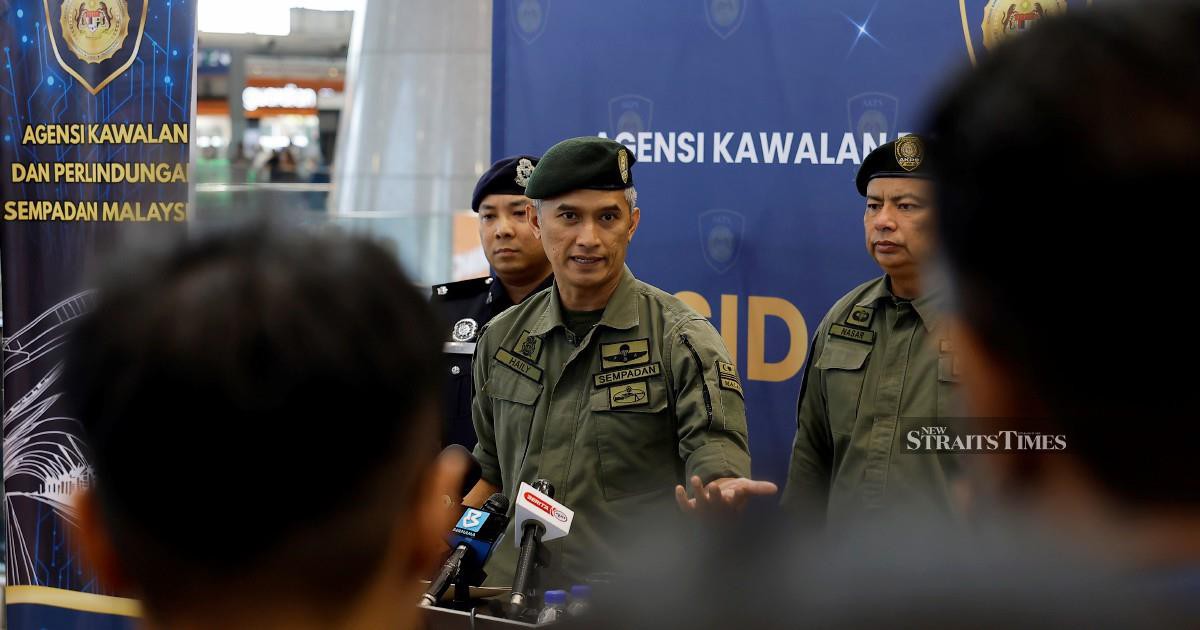
A Malaysia Airlines pilot arrested in Indonesia while carrying 70,000 ecstasy pills had his baggage screened by Aviation Security (AVSEC), not by any division under the Malaysia Border Control and Protection Agency (MCBA), officials clarified this week. The distinction matters significantly for understanding which agency bears responsibility for the oversight that allowed the contraband to pass through Malaysian checkpoints undetected.
The disclosure came amid questions about how such a substantial drug shipment cleared security procedures at a major Malaysian aviation hub before the pilot's journey to the neighbouring country. Aviation Security operates independently as the designated authority responsible for screening passengers and their belongings at Malaysian airports, a role separate from the border control functions that fall under MCBA jurisdiction. This operational distinction is crucial for accountability purposes and highlights the complex division of responsibilities across multiple agencies at airport security checkpoints.
The arrested pilot's case has renewed scrutiny on airport security protocols across Southeast Asia, where rapid growth in air traffic has sometimes outpaced investment in screening infrastructure and training. Malaysia's airports process millions of passengers annually, and the incident raises uncomfortable questions about whether current systems are adequately equipped to detect sophisticated smuggling attempts. The sheer quantity of pills discovered—70,000 units—represents industrial-scale drug trafficking rather than personal consumption, suggesting the pilot may have been part of a larger organised network.
AVSEC's role encompasses screening all passengers departing from and arriving at Malaysian airports, using X-ray machines, metal detectors, and other detection equipment. The agency operates under strict international civil aviation standards set by the International Civil Aviation Organization (ICAO), which Malaysia must comply with as a signatory. However, the effectiveness of any security system depends heavily on equipment calibration, staff training, and the diligence of individual screeners—factors that can vary considerably across different airports and shifts.
The involvement of Indonesian authorities in apprehending the pilot underscores the transnational nature of Southeast Asian drug trafficking operations. Indonesia has emerged as a crucial transit point and destination market for synthetic drugs, with criminal networks exploiting the region's porous borders and the relative ease of moving goods between countries. The pilot's route and the timing of his arrest suggest he may have been attempting to deliver the contraband to Indonesian distributors, potentially connecting Malaysian suppliers with island nation consumers.
This incident occurs against a broader backdrop of escalating drug seizures across Malaysia and Southeast Asia. Authorities have repeatedly warned that international syndicates are adapting their tactics, increasingly recruiting transportation workers including pilots, sailors, and truck drivers who have legitimate access to border checkpoints. The financial incentives are substantial—a single successful delivery can earn operatives tens of thousands of ringgit, far exceeding typical monthly salaries in the aviation sector.
The clarification regarding AVSEC's responsibility may influence ongoing investigations into whether the screening process itself was compromised or simply insufficient. Security experts note that even well-maintained X-ray systems struggle to reliably detect densely-packed pills, particularly if they are concealed within legitimate luggage or compartments designed to evade detection. Training screeners to recognise suspicious packaging patterns and anomalies on scans is an ongoing challenge for security agencies worldwide.
Malaysia's aviation authorities have indicated they are reviewing their screening procedures in light of the incident. Such reviews typically examine whether staffing levels are adequate, whether equipment is functioning optimally, and whether existing protocols align with international best practices. The MCBA's exclusion from the direct screening process does not absolve the broader border security system of responsibility, but rather reflects how Malaysian authorities have structured airport security across multiple agencies.
For Malaysian airline passengers and industry stakeholders, the incident raises concerns about whether increased security measures might follow, potentially affecting airport congestion and travel times. However, industry observers note that effective security improvements need not require passengers to spend significantly more time at checkpoints if they involve better technology and staff training rather than additional physical screening layers.
The case also highlights the risks faced by aviation professionals who are approached by criminals. Pilots and crew members earn respectable incomes but may face financial pressures or personal vulnerabilities that make them targets for recruitment into smuggling operations. Law enforcement and aviation industry bodies increasingly recognise the need for awareness programmes and support systems to help workers resist trafficking recruitment attempts.
Regional cooperation remains essential for combating organised drug trafficking across Southeast Asia, where criminal networks operate seamlessly across borders. Malaysia's relationship with Indonesian law enforcement—demonstrated by the swift apprehension and reporting of the arrested pilot—illustrates how bilateral coordination can disrupt trafficking operations. However, inconsistent enforcement and varying legal standards across the region continue to present challenges for comprehensive anti-trafficking efforts.
Moving forward, the incident will likely prompt broader discussions within Malaysian aviation circles about security culture, reporting mechanisms, and the balance between efficiency and safety. While no security system can guarantee the prevention of all smuggling attempts, the involvement of a commercial airline employee suggests that vigilance from within the aviation industry itself—including crew awareness and reporting of suspicious colleagues—may prove as valuable as technological improvements.

