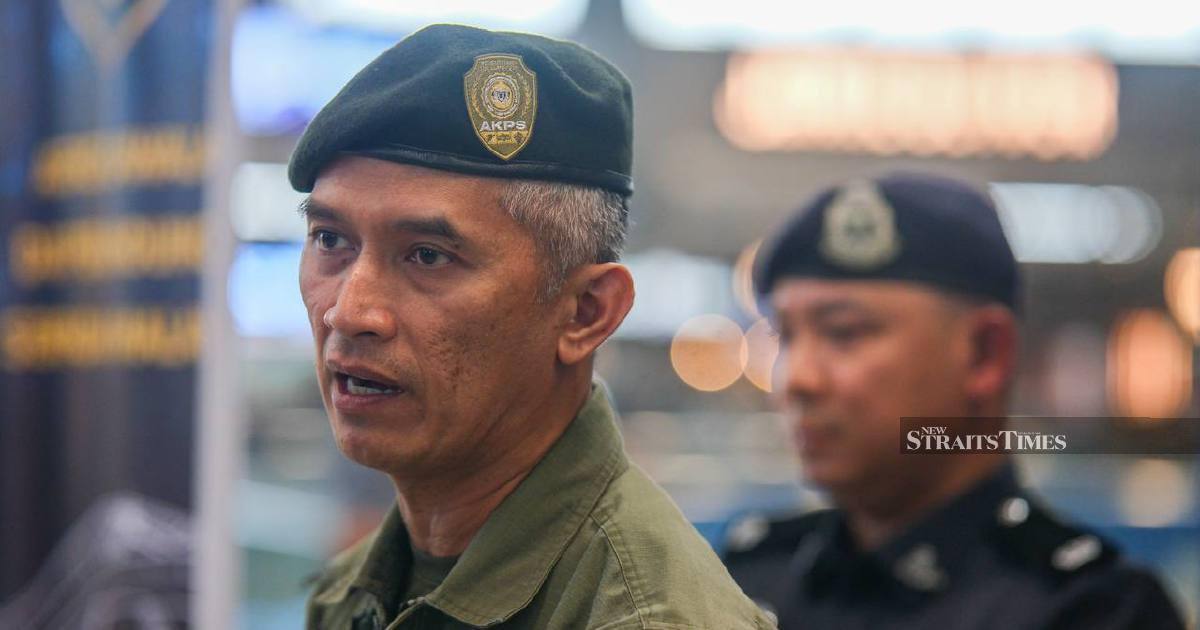
The Malaysia Border Control and Protection Agency (MCBA) is maintaining a measured stance regarding the smuggling allegations faced by a Malaysia Airlines pilot currently detained in Indonesia, declining to dismiss speculation that counter-setting activities may have been a factor in the case. Speaking at a media engagement in Sepang, agency officials cautioned against reaching premature conclusions while investigative work continues and evidence undergoes careful examination.
Counter-setting—a deceptive practice wherein criminals frame an innocent party by planting contraband or incriminating materials—represents a growing concern for Southeast Asian security agencies. The technique exploits both international border vulnerabilities and the trust extended to professionals such as aviation personnel, who hold privileged access to cross-border logistics and transportation networks. In the context of Malaysia's aviation sector, where the nation maintains a significant hub position with Malaysia Airlines serving as a major carrier, any association with drug trafficking carries profound implications for the airline's reputation and the country's standing in international commerce.
The MCBA's reluctance to definitively rule out counter-setting at this preliminary stage reflects standard investigative protocol and the complexity inherent in transnational drug cases. Intelligence agencies typically avoid public commitments on emerging cases until evidence is comprehensively gathered and verified through multiple channels. This cautious approach allows investigators flexibility to pursue various investigative angles without constraining their inquiry through hasty public statements that might later prove misleading or require costly corrections.
Indonesia's judicial system, which will ultimately prosecute any charges, operates under distinct legal frameworks that may require different evidentiary standards than those applied in Malaysia. The pilot's case will likely involve coordination between Malaysian authorities, Indonesian law enforcement agencies, and international partners such as Interpol, demanding meticulous documentation of the investigative chain and preservation of evidence integrity. The MCBA's involvement suggests Malaysia recognizes the case's implications for border security and drug interdiction efforts throughout the region.
For Malaysia Airlines and the broader aviation industry in Southeast Asia, such cases introduce operational challenges beyond simple reputational concerns. Airlines must balance security protocols with operational efficiency, and allegations involving crew members can trigger regulatory scrutiny and potentially new compliance requirements. The International Air Transport Association and regional aviation bodies typically monitor such developments closely, as they influence policy discussions regarding in-flight security, crew vetting, and cargo handling procedures affecting carriers across the region.
The suggestion of counter-setting, if substantiated, would carry significant weight in the pilot's defence and would raise troubling questions about how sophisticated criminal networks exploit professional vulnerabilities. Drug trafficking organizations increasingly employ complex tactics to move contraband, including targeting individuals in trusted positions through coercion, deception, or elaborate frame-up schemes. Such revelations would underscore the need for enhanced intelligence-sharing between Southeast Asian nations and more sophisticated targeting of criminal networks rather than their individual operatives.
Malaysia's border management agencies face increasing pressure to demonstrate competence in detecting smuggling operations while simultaneously protecting innocent parties from frame-up schemes. The MCBA's formation itself reflects Malaysian authorities' commitment to strengthening border controls, and high-profile cases become important metrics through which these agencies' effectiveness is evaluated. The agency must navigate between appearing thorough and impartial while also demonstrating vigilance against smuggling threats that genuinely pose risks to national security and public health.
Regional drug trafficking routes consistently target Southeast Asian transit points, with Malaysia's geographic position making it particularly vulnerable to transhipment operations. The country's ports, airports, and land borders represent critical chokepoints where significant quantities of narcotics, particularly methamphetamine and fentanyl from regional suppliers, are intercepted annually. Any case suggesting attempts to exploit aviation crew members indicates criminal organizations are refining methods to circumvent detection systems, prompting increased defensive measures across the industry.
The investigation's progression will likely influence broader policy discussions within Malaysia regarding international cooperation on drug enforcement and mutual legal assistance treaties. Should counter-setting be substantiated, it may accelerate initiatives to establish enhanced information-sharing protocols and joint investigative task forces with key trading partners and neighbour nations. Such developments could yield practical benefits for Malaysian businesses operating across borders, as improved security frameworks and clearer investigative procedures reduce uncertainty and operational costs.
For the pilot himself, the MCBA's cautious position offers a glimmer of hope that alternative explanations remain under active consideration. The extended timeline before final conclusions reflects the seriousness with which Malaysian authorities treat both drug smuggling threats and the protection of innocent parties from miscarriage of justice. As investigation continues across multiple jurisdictions, the case will serve as an important marker of how Southeast Asian nations manage the intersection of security, justice, and transnational criminal sophistication.

