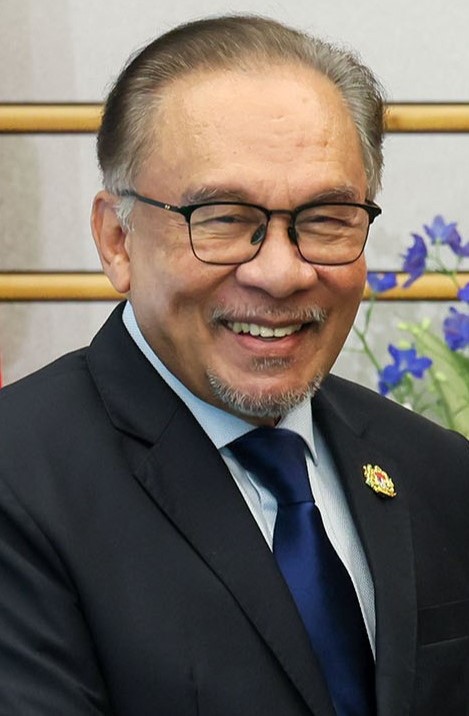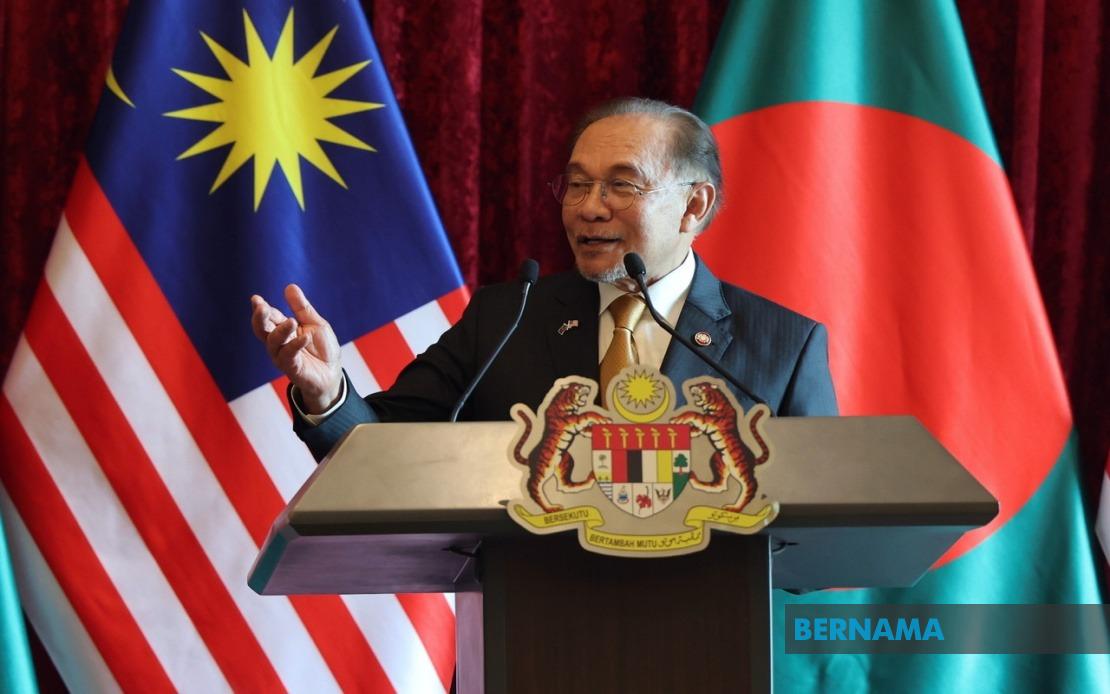
Prime Minister Datuk Seri Anwar Ibrahim and visiting Bangladesh Prime Minister Tarique Rahman have committed to reviving institutional dialogue channels that have lain dormant, signalling a renewed push to elevate ties between the two countries. The commitment came during Tarique's two-day official visit to Putrajaya, where the two premiers agreed to reconvene the Joint Commission Meeting and resume Bilateral Consultations at the earliest possible date. This revival of formal mechanisms represents a significant step in reinvigorating a relationship that, while geographically and culturally proximate, has experienced periods of diplomatic inertia in recent years.
The resumption of these frameworks carries particular weight for Malaysia, which hosts one of South Asia's largest diaspora communities from Bangladesh. Over decades, substantial numbers of Bangladeshi workers have become integral to Malaysia's construction, manufacturing, plantation, and service sectors, creating deep people-to-people connections that transcend official diplomatic channels. Both leaders acknowledged this human dimension explicitly, recognising that the Bangladeshi expatriate community functions as a bridge facilitating bilateral exchanges and generating shared economic value. This framing positions worker migration not merely as a transactional labour issue but as a cornerstone of bilateral partnership and regional integration.
The joint statement emphasised that consistent high-level dialogue and reciprocal visits have proven instrumental in strengthening coordination across diverse cooperation areas. Beyond the ceremonial aspects of diplomatic engagement, Malaysia and Bangladesh have identified labour cooperation as a key domain requiring sustained attention. This recognition reflects ground realities: Bangladeshi workers remit substantial sums home annually, supporting families and contributing to Bangladesh's foreign exchange reserves, while simultaneously addressing structural labour shortages in Malaysian industries facing demographic headwinds and domestic workforce constraints.
However, the statement also contained measured language regarding Bangladesh's proposal for expanded worker recruitment. Malaysia made clear that fresh approvals for foreign worker quotas operate under stringent current policy frameworks, with decisions made individually based on verified employer necessity and adherence to sector-specific ceilings. This cautious stance reflects Malaysia's efforts to manage labour inflows while protecting local employment opportunities and maintaining wage standards. The language suggests Bangladesh may have sought enhanced or streamlined access to Malaysian labour markets, but the Malaysian government's position remains circumscribed by domestic political considerations and labour market management priorities.
To address labour migration comprehensively, the two governments established a Joint Working Group tasked with evaluating the existing Memorandum of Understanding governing worker flows between the nations. This MoU, which has governed bilateral labour arrangements for years, requires modernisation to reflect contemporary realities in both economies. The working group's mandate extends beyond mere assessment; it must construct an entirely new framework capturing current sectoral demands, regulatory standards, and mutual interests. This modernisation effort carries significance beyond the bilateral context, potentially signalling how Malaysia approaches labour migration agreements with other source countries in an era of tighter controls and heightened scrutiny of worker protections.
A critical dimension embedded in the joint statement concerns recruitment process integrity. Both nations reaffirmed commitment to ensuring transparency, fairness, non-discrimination, and genuine competition in worker selection, specifically mandating reliance on credible and qualified recruitment agencies. This language responds to long-standing concerns regarding trafficking, exploitation, and corrupt practices within bilateral labour recruitment ecosystems. For Malaysian employers and the Malaysian government, transparency safeguards reputational and legal standing in international labour standards discussions. For Bangladesh, such commitments address persistent criticism from worker advocacy organisations regarding the vulnerability of migrant labourers to abuse and fraud by predatory recruitment intermediaries.
The timing of this diplomatic renewal reflects broader Southeast Asian strategic currents. Bangladesh, under Tarique Rahman's leadership following recent political transitions, appears keen to strengthen ties with established regional economic anchors. Malaysia, navigating regional geopolitical complexities and seeking to deepen ASEAN cohesion, benefits from strengthening partnership with a nation of over 170 million people increasingly integrated into regional supply chains and labour markets. The bilateral relationship provides Malaysia a counterweight in managing regional influence while offering Bangladesh access to Malaysian investment, technical expertise, and market linkages.
For Malaysian policymakers and businesses, the renewed institutional mechanisms offer clearer pathways for addressing labour market pressures in coming years. Construction, manufacturing, and hospitality sectors facing persistent worker shortages may find structured access to Bangladeshi talent pools beneficial, provided regulatory frameworks ensure worker protections and domestic employment protections. The Joint Working Group process allows both governments to align domestic labour policies while managing the relationship pragmatically rather than through ad hoc arrangements susceptible to political disruption.
The Bangladesh Prime Minister's visit, extending two days, permitted substantive engagement beyond ceremonial courtesy. Such extended bilateral visits typically encompass multiple working sessions addressing sectoral cooperation, trade potential, cultural exchanges, and security cooperation. The joint statement's focus on labour cooperation should not overshadow other dimensions of bilateral engagement likely discussed during formal meetings, including defence cooperation, maritime boundary matters, and participation in regional multilateral forums.
Looking ahead, the success of the Joint Working Group and the revised bilateral labour framework will substantially influence whether Malaysia-Bangladesh ties sustain momentum or experience renewed stagnation. The working group's effectiveness depends on both governments allocating adequate resources, authorising negotiators to make substantive compromises, and maintaining political commitment despite domestic pressures. For Bangladesh, demonstrating that Malaysia-partnership yields tangible worker remittance benefits justifies government engagement with labour migration governance. For Malaysia, modernised frameworks offer enhanced control over labour inflows while maintaining access to essential foreign workers amid demographic and economic realities that render managed migration economically essential rather than discretionary.
The revival of dormant bilateral mechanisms ultimately reflects mutual recognition that formal institutional structures, though sometimes appearing bureaucratic, provide essential architecture for managing complex relationships involving migration, trade, security, and cultural exchange. By recommitting to Joint Commission Meetings and bilateral consultations, Malaysia and Bangladesh signal to their populations, business communities, and regional partners that partnership warrants sustained, high-level attention. Whether this rhetorical commitment translates into substantive improvements in governance, worker protections, and economic cooperation will determine whether this diplomatic renewal generates lasting benefits or merely punctuates an otherwise episodic relationship.