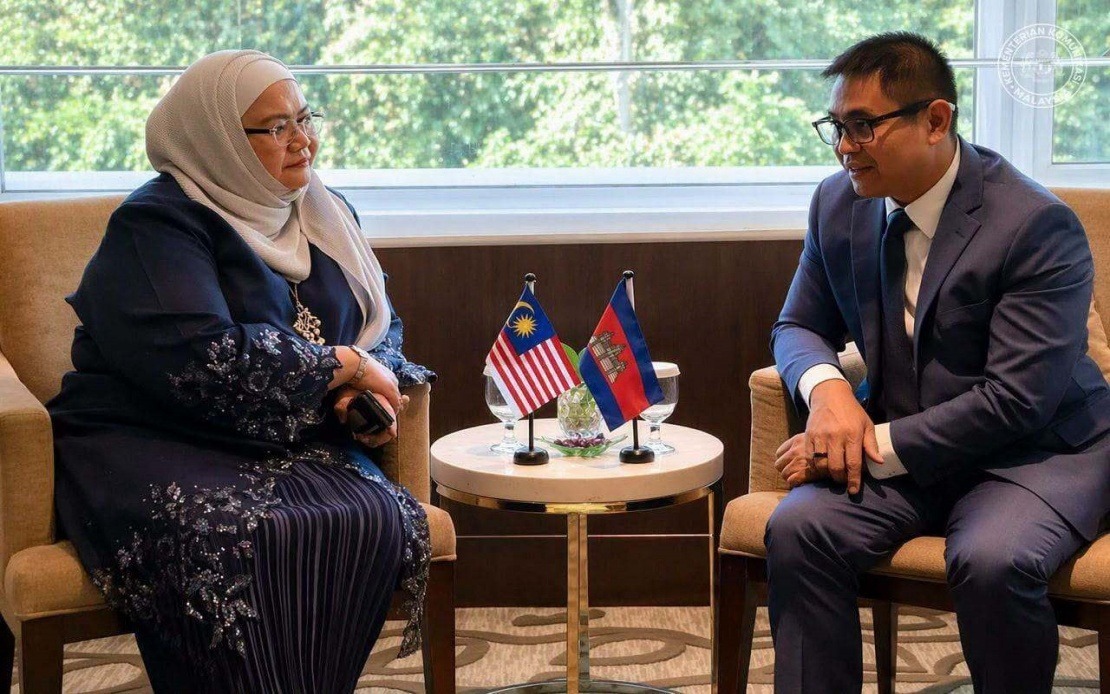
Malaysia and Cambodia are moving forward with implementing a cooperative framework focused on information and media development, following discussions held during a regional meeting in Brunei this week. The two Southeast Asian nations convened on the sidelines of the 23rd ASEAN Senior Officials Responsible for Information meeting in Bandar Seri Begawan to chart practical steps for their partnership, which was formalized just days earlier in a bilateral agreement signed in Penang.
The partnership represents a significant step in deepening institutional ties between the neighbouring countries at a time when media landscapes across the region face mounting pressures from misinformation and rapid technological change. By establishing this framework, Malaysia and Cambodia are positioning themselves to address contemporary challenges in journalism and information dissemination through coordinated regional action. The initiative reflects broader ASEAN efforts to strengthen information resilience and professional standards across member states.
Malaysia's delegation to the bilateral meeting was led by Datuk Bahria Mohd Tamil, Deputy Secretary-General for Strategic Communications and Creative Industry at the Communications Ministry, while Cambodia's representation came from Prak Thaveak Amida, Secretary of State at the Information Ministry. The composition of both delegations underscores the strategic importance placed on this engagement, with senior officials directly responsible for media policy and communications strategy taking leading roles in discussions.
During the meeting, both countries explored multiple dimensions of potential collaboration spanning information exchange, institutional capacity-building in media development, and technological advancement across their respective sectors. Particular emphasis was given to digital transformation initiatives, acknowledging that traditional media environments are rapidly evolving and that both nations must modernize infrastructure and skills to remain competitive and effective. This focus reflects recognition among Southeast Asian governments that digital capabilities now form the bedrock of modern communications systems.
A central theme emerged around safeguarding information integrity amid growing challenges from misinformation and disinformation campaigns. Both Malaysia and Cambodia face domestic pressures from false narratives circulating across social media platforms and digital networks, making collaboration on identifying best practices and developing countermeasures strategically valuable. By pooling expertise and experiences, the two countries can develop more robust frameworks for verifying information and equipping journalists with tools to combat falsehoods effectively.
The underlying agreement between Malaysia and Cambodia was formalized on June 20 through a Memorandum of Understanding signed during commemorations marking National Journalists' Day (HAWANA) celebrations held in Penang. The timing proved symbolically appropriate, linking the new partnership directly to recognition of journalism's role in democratic societies. Communications Minister Datuk Fahmi Fadzil and Secretary of State Amida, acting on behalf of Cambodian Information Minister Neth Pheaktra, executed the agreement ad referendum, indicating that both governments have formally endorsed the arrangement's principles and objectives.
The scope of the MoU extends across numerous media and communication-related fields, creating multiple entry points for practical cooperation beyond high-level discussion. Potential areas for concrete collaboration include journalist exchange programmes, training initiatives focused on digital journalism and multimedia skills, technology transfer arrangements, and joint research into media trends affecting both nations. Such granular partnerships often prove more durable than purely diplomatic exercises, as they create tangible benefits for practitioners and institutions.
For Malaysia, this arrangement offers opportunities to project soft power across Cambodia while simultaneously learning from its neighbour's approaches to media development challenges. Cambodia's experience navigating digital transformation with limited resources and infrastructure provides instructive lessons for Malaysian policymakers considering scalable, cost-effective solutions. Conversely, Cambodia gains access to Malaysia's more advanced media technology sector and extensive experience in professional journalism training through institutions like the Institut Tadbiran Media Malaysia.
The initiative sits within the broader context of ASEAN's efforts to strengthen regional information cooperation frameworks. As the bloc faces external pressures on its information space from geopolitical tensions and competing narratives about regional affairs, coordinated responses become increasingly necessary. Malaysia and Cambodia's bilateral cooperation serves both bilateral interests and contributes to collective ASEAN capacity to manage information challenges affecting all member states.
Looking forward, implementation of the MoU will require sustained commitment from both governments beyond the initial enthusiasm of signing ceremonies. Success depends on establishing clear institutional mechanisms, allocating adequate financial resources, and ensuring that commitments translate into visible outcomes benefiting journalists and media organizations. The involvement of senior officials in the Brunei discussions suggests serious intent, though Malaysian observers will monitor subsequent actions to gauge whether this cooperation produces substantive results or remains largely symbolic.
The partnership also reflects Malaysia's strategic positioning within Southeast Asia at a moment when regional relationships require constant cultivation and renewal. By actively deepening ties with Cambodia across functional sectors like media, Malaysia strengthens its role within ASEAN while addressing genuine shared challenges. For the broader region, successful Malaysia-Cambodia collaboration in information and media development could serve as a model for other bilateral arrangements addressing digital transformation and information integrity across Southeast Asia.

