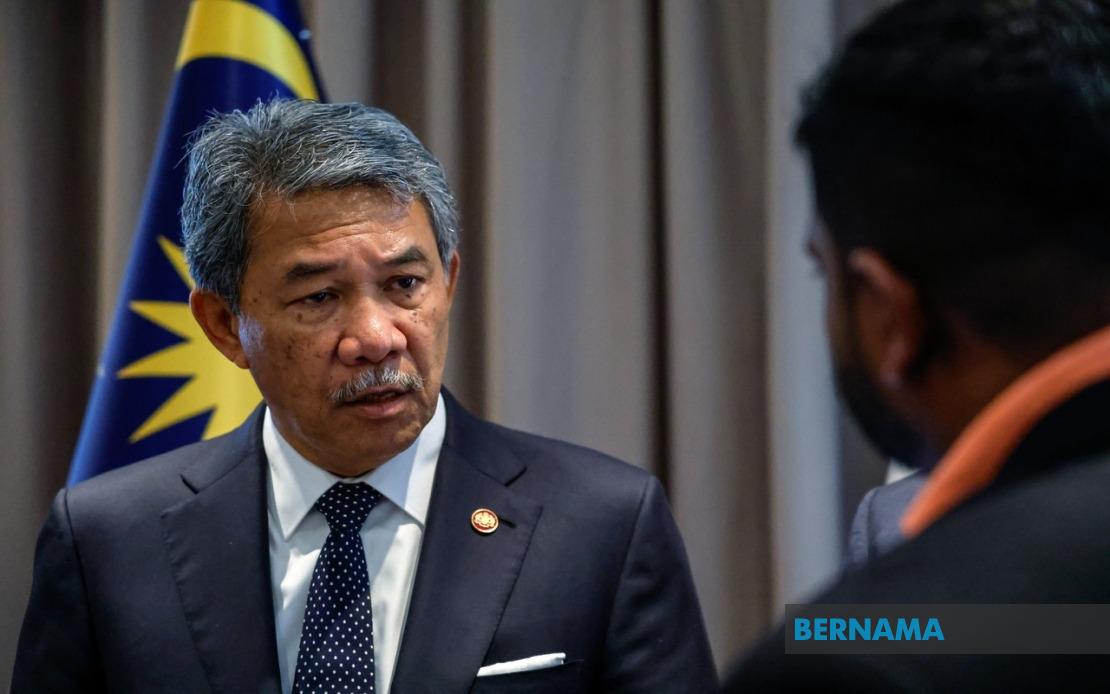
Malaysia and the Philippines have reached agreement on measures to hasten the deportation of more than 5,000 undocumented Philippine nationals currently housed across four immigration detention facilities in Sabah, addressing a longstanding strain on the region's detention infrastructure. The consensus emerged from bilateral discussions held during the 9th Malaysia-Philippines Joint Commission Meeting in Manila, where both nations acknowledged the urgency of resolving the situation and committed to exploring multiple deportation pathways including maritime routes and other operational mechanisms.
Foreign Minister Datuk Seri Mohamad Hasan underscored that preliminary screening conducted by the Philippine Embassy in Kuala Lumpur has already identified a substantial cohort exceeding 1,000 individuals ready to return to the Philippines without delay. This finding suggests that a meaningful portion of the detained population could clear administrative hurdles relatively swiftly, allowing for immediate processing and transfers. The remaining detainees will continue undergoing verification to establish their nationality and identity status, a process essential for orderly and lawful repatriation.
The capacity crisis at Sabah's four detention centres formed a central pillar of the discussion, with Malaysian officials emphasizing that these facilities have reached unsustainable population levels. The physical infrastructure, designed for significantly lower numbers, now strains resources and complicates the provision of basic services and security. Malaysia has stressed the necessity for the Philippine government to demonstrate concrete action and momentum in receiving its citizens, moving beyond preliminary agreements to execute tangible repatriations that will materially reduce overcrowding.
A secondary concern that gained traction during the meeting involves educational access for children of undocumented migrants residing in Sabah pending their repatriation. Malaysia has signalled willingness to examine the feasibility and scope of continuing schooling provisions for these vulnerable young people, recognizing the humanitarian dimensions of prolonged detention situations. However, Malaysian officials have set clear boundaries around implementation, insisting that any educational programme be administered directly by Philippine authorities with appropriate oversight mechanisms in place.
Minister Mohamad expressed particular concern about informal or unregulated educational institutions potentially emerging without proper governmental supervision, which could undermine quality standards and child safeguarding protocols. The Malaysian position reflects broader anxiety about ensuring that interim arrangements do not entrench dependency or create parallel structures that complicate eventual repatriation. Both nations have therefore committed to collaborating on frameworks that provide educational continuity while maintaining accountability through official channels.
The bilateral meeting also touched on the sensitive matter of territorial claims, specifically references by certain Philippine figures to revive historical assertions regarding Sabah. Mohamad clarified that this dispute did not constitute a formal agenda item during the Joint Commission proceedings, suggesting that both delegations attempted to compartmentalize the contentious issue from operational cooperation on migration matters. Nevertheless, the Foreign Minister reiterated Malaysia's firm stance that Sabah's status as Malaysian territory rests on established international legal foundations and universal recognition.
Malaysia emphasised that the United Nations, through an official commission and the Secretary-General's deliberations, had previously affirmed Sabah as integral Malaysian territory, thereby providing conclusive international endorsement of Malaysian sovereignty. This framing attempts to position the territorial question as settled jurisprudence rather than an open dispute warranting renewed negotiation. The Malaysian government had previously indicated that it would lodge a formal diplomatic protest following Senator Robin Padilla's recent statements urging President Ferdinand Marcos Jr to resurrect Manila's historical claim over the peninsula.
The repatriation initiative carries significant implications for Malaysia's broader immigration management strategy in East Malaysia, where the porous border with the southern Philippines and high rates of undocumented entry have persistently challenged law enforcement and administrative capacity. Resolving this particular cohort of 5,000 detainees represents a notable step toward reducing irregular population flows, though structural factors driving migration—including economic disparities and family networks—will likely continue to generate pressure along maritime frontiers. The agreement signals mutual recognition that bilateral cooperation offers more effective solutions than unilateral enforcement measures.
For Southeast Asian observers, the Malaysia-Philippines engagement demonstrates how neighbouring countries can pursue collaborative approaches to shared migration challenges despite underlying territorial disagreements. The compartmentalization of the Sabah sovereignty question from practical cooperation on deportations suggests diplomatic maturity, though the underlying tension over historical claims remains unresolved and could resurface if geopolitical circumstances shift. The success or failure of this repatriation acceleration will substantially influence the trajectory of Malaysia-Philippines relations and the credibility of both governments' commitment to regional stability.
Philippine Secretary of Foreign Affairs Ma. Theresa P. Lazaro co-chaired the meeting alongside Minister Mohamad, indicating political commitment at the senior levels of both foreign ministries. The formal institutional framework of the Joint Commission provides a structured platform for managing bilateral issues, though the effectiveness of agreements ultimately depends on implementation capacity, financial resources, and sustained political will within both administrations. Observers will monitor progress carefully, as delays or insufficient Philippine action could reignite Malaysian frustration over the detention burden and potentially undermine cooperation on other regional issues.

