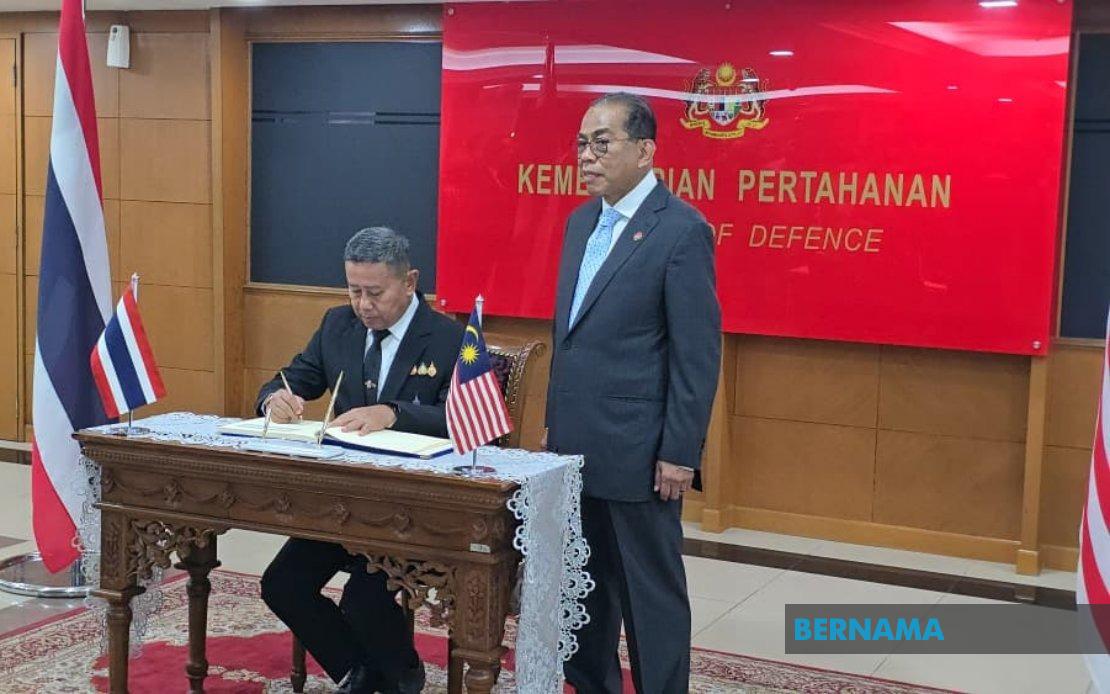
Malaysia and Thailand have moved to bolster their defence relationship and coordinate on regional security matters, with Malaysia's Defence Minister Datuk Seri Mohamed Khaled Nordin hosting his Thai counterpart Lieutenant General Adul Boonthumjaroen for substantive talks in Kuala Lumpur. The high-level engagement underscores the importance both nations place on maintaining a stable neighbourhood amid complex geopolitical shifts that continue to shape Southeast Asia's strategic landscape.
Adul's visit to Wisma Pertahanan marked his initial trip to Malaysia since taking office as Thailand's Defence Minister, signalling the significance accorded to the bilateral military relationship by Bangkok's leadership. The meeting reflected genuine warmth between the two defence officials, with Mohamed Khaled congratulating Adul on his new appointment while expressing confidence in Thailand's trajectory under Prime Minister Anutin Charnvirakul. Such personal rapport between military leaders often translates into smoother cooperation on substantive defence matters and builds institutional trust that outlasts political transitions.
Both ministers reiterated their shared vision for peace and stability across the Southeast Asian region, a commitment that extends beyond their two countries' immediate interests. This collective emphasis on regional tranquility responds to ongoing tensions and unresolved disputes that periodically destabilise parts of the neighbourhood, threatening economic development and people-to-people exchanges that the Association of Southeast Asian Nations seeks to promote.
A particularly noteworthy aspect of the discussions involved Thailand's recognition of Malaysia's mediating role in the long-standing border conflict between Thailand and Cambodia. By acknowledging Malaysia's proactive diplomatic efforts in facilitating dialogue between the two feuding neighbours, Bangkok demonstrated appreciation for Malaysia's constructive engagement in resolving disputes through negotiation rather than confrontation. This recognition carries weight because it validates Malaysia's positioning as a responsible regional actor capable of building consensus among fractious parties—a reputation that becomes increasingly valuable as Southeast Asia navigates maritime disputes, resource competition, and great power rivalry.
The Malaysia-Thailand relationship has historically oscillated between periods of robust cooperation and occasional friction, shaped by shared maritime boundaries, cross-border commerce, and the movement of populations between the two countries. Strengthening defence ties provides a mechanism for managing potential disputes through established channels and personal relationships, reducing the risk that misunderstandings escalate into confrontation. For Malaysian policymakers, maintaining warm relations with Thailand proves essential given their shared interests in maritime security, counterterrorism, and managing non-traditional security threats that respect no border.
Beyond high-level diplomacy, the visit included a practical dimension when Adul toured facilities operated by the National Aerospace and Defence Industries Group of Companies. This segment of the programme permitted both delegations to assess tangible cooperation opportunities, whether in defence manufacturing, technology transfer, or joint procurement arrangements. Such industrial cooperation can deepen interdependence and create mutual interests in stability, as business relationships generate constituencies favouring peaceful resolution of disputes.
Thailand's defence modernisation efforts and Malaysia's own military capabilities represent complementary assets that could yield mutual benefits if harnessed through structured partnerships. Joint exercises, intelligence sharing, and coordinated naval patrols in the waters both nations claim responsibility for protecting offer practical avenues for cooperation that strengthen overall regional security architecture. As external powers demonstrate increased interest in Southeast Asian affairs, closer intra-regional defence coordination becomes more important for preserving strategic autonomy.
The timing of this engagement occurs against a backdrop of shifting security dynamics in Southeast Asia, where traditional maritime disputes persist and new challenges emerge from transnational criminal networks, cybersecurity threats, and irregular migration. Thailand and Malaysia both confront these non-conventional security challenges, which require intelligence cooperation, coordinated law enforcement, and shared operational planning. Elevating defence ministerial contacts creates momentum for addressing these issues through military and security service cooperation.
For Malaysia specifically, maintaining cooperative relations with Thailand supports its broader regional diplomacy strategy. As a significant economic power and influential voice within ASEAN, Malaysia benefits from expanding its defence partnerships with neighbours and demonstrating capacity to contribute positively to regional stability. Such initiatives also signal to international powers that Southeast Asian nations prefer managing their affairs through regional mechanisms rather than inviting external intervention.
The Defence Ministry's statement emphasised bilateral commitment to addressing security challenges collectively, a formulation that acknowledges both nations' shared vulnerabilities and mutual stakes in preserving a functioning regional order. This language avoids singling out potential adversaries, instead focusing on generic threats and common interests—an approach typical of ASEAN diplomacy that seeks consensus through inclusive frameworks rather than confrontational positioning.
Looking forward, the concrete outcomes of this engagement will likely include follow-up meetings between defence bureaucracies, possible joint military exercises, and exploration of defence industrial cooperation. Such mechanisms, once established, create continuing dialogue channels that persist beyond individual political administrations, building institutional relationships that provide stability and predictability in bilateral ties.
For Malaysian observers and regional analysts, this ministerial visit represents a reassuring signal that ASEAN's cornerstone states remain committed to deepening practical cooperation on security matters. While grand multilateral initiatives sometimes flounder on consensus requirements, bilateral relationships between capable regional powers like Malaysia and Thailand can advance tangible defence cooperation that benefits broader Southeast Asian stability. As the region confronts diverse security challenges ranging from maritime disputes to transnational crime, such strengthened partnerships provide essential foundations for collective resilience and regional peace.

