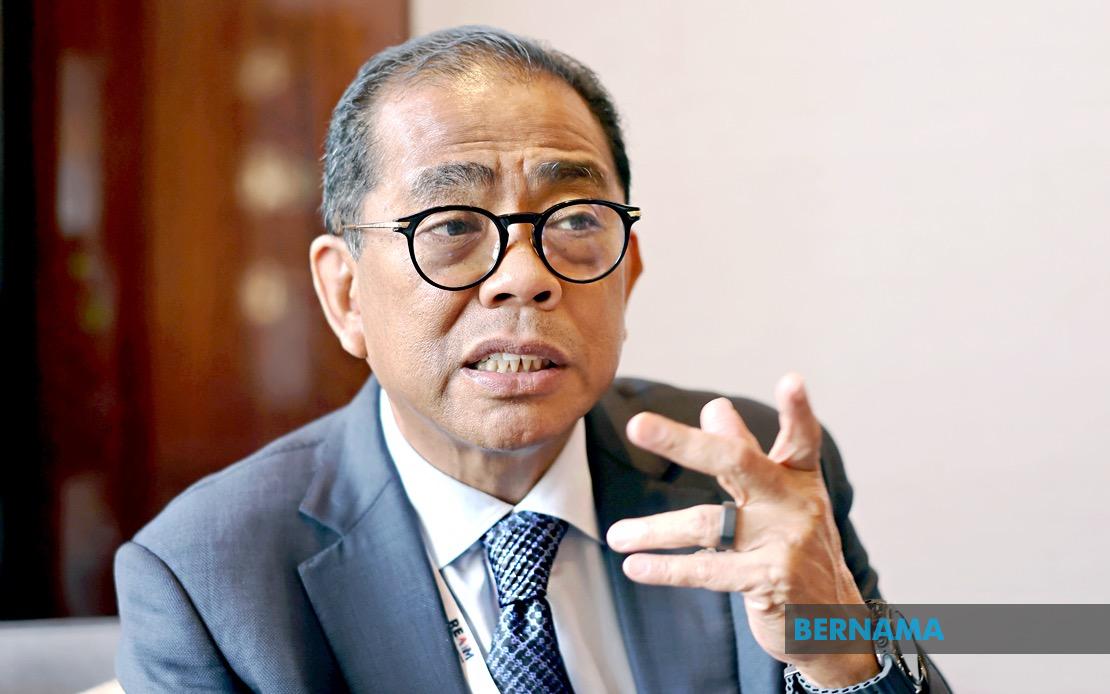
Malaysia and Vietnam are moving to substantially elevate their defence partnership through expanded cooperation frameworks and coordinated military initiatives. Defence Minister Datuk Seri Mohamed Khaled Nordin announced the commitment following talks with Vietnamese Minister of National Defence Gen Phan Van Giang during an official visit to Hanoi that commenced yesterday. The engagement marks a significant moment in bilateral relations as both nations seek to translate diplomatic goodwill into tangible security outcomes that benefit not only their own strategic interests but the broader stability architecture of Southeast Asia.
The scope of the enhanced cooperation extends across multiple domains that reflect contemporary security challenges in the region. Military training exchanges and joint exercises represent a cornerstone of the relationship, enabling both nations to build interoperability and develop shared operational protocols. Intelligence sharing mechanisms will allow Malaysia and Vietnam to pool information on transnational threats, from maritime piracy to trafficking networks that destabilise coastal communities. Maritime domain awareness initiatives carry particular weight given the strategic geography both nations occupy, with Vietnam controlling key shipping lanes and Malaysia positioned as a critical economic hub dependent on unimpeded sea passage.
Among the more innovative cooperation areas discussed was artificial intelligence application in defence contexts. As regional militaries grapple with technological modernisation and budget constraints, collaborative development of AI-enabled systems for surveillance, command and control, and cyber defence could prove far more economically efficient than unilateral acquisition. Defence industry collaboration similarly presents opportunities for knowledge transfer and cost-sharing in equipment maintenance and platform upgrades, areas where Southeast Asian nations often face significant expenditure burdens.
Mohamed Khaled specifically advocated for strengthening the institutional mechanisms underpinning bilateral defence ties. The proposed enhancement of the High-Level Committee responds to a practical challenge facing many ASEAN defence partnerships: implementation gaps between agreed frameworks and actual operational coordination. By establishing clearer protocols for initiative development and execution, Malaysia and Vietnam can move beyond symbolic gestures toward sustained, measurable outcomes that benefit both militaries.
The discussion of submarine rescue operations underscores the practical sophistication increasingly evident in Southeast Asian defence cooperation. Submarine incidents, though rare, demand specialised response capabilities that most regional navies lack. Developing joint rescue protocols and conducting integrated training exercises reduces response times and fatality risks should either nation face maritime emergencies. This type of technical cooperation demonstrates how defence partnerships can address genuine operational needs beyond broader geopolitical posturing.
The conversation around grey zone activities reflects current strategic preoccupations in Southeast Asia, where ambiguous military actions short of conventional warfare create grey areas in international law and response protocols. China's coast guard operations in disputed waters exemplify this challenge. By discussing grey zone responses bilaterally and through ASEAN frameworks, Malaysia and Vietnam work toward common understanding of what constitutes acceptable state behaviour and how collective responses might deter escalation.
Regional strategic developments, particularly the South China Sea dispute, featured prominently in discussions. Mohamed Khaled reiterated Malaysia's position that resolution mechanisms must operate within established international legal frameworks rather than through coercive power dynamics. The emphasis on Code of Conduct progress reflects frustration among ASEAN claimant states that negotiations with China have dragged on without producing binding commitments. Malaysia's insistence that ASEAN unity and central role in regional architecture be preserved suggests concern that bilateral defence partnerships, while necessary, could fragment collective negotiating positions if pursued without coordination.
The Ministry of Defence statement positioning this visit within the National Defence Strategic Plan 2026-2030 contextualises the engagement within Malaysia's broader security doctrine. Strengthening international defence relations represents one of six strategic cores, indicating that such bilateral partnerships are not peripheral diplomatic courtesy but integral to national strategic planning. This framing elevates defence cooperation from tactical military matters to policy-level significance, ensuring sustained resource allocation and institutional prioritisation over the five-year planning horizon.
Mohamed Khaled's initial courtesy call on Vietnamese Prime Minister Le Minh Hung signalled that defence matters enjoy high-level political attention in both governments. This protocol reflects the serious nature of the bilateral agenda and ensures that defence cooperation initiatives receive civilian leadership endorsement necessary for sustained implementation. Coordination of military training courses and programmes between the two nations' defence establishments will create institutional linkages that persist regardless of political transitions, embedding cooperation at the professional military level.
The reference to the Defence White Paper's emphasis on Competent Partnership reveals Malaysia's strategic thinking about regional relationships. Rather than seeking dominance or exclusive arrangements, Malaysia appears committed to collaborative security arrangements that enhance Malaysian capabilities while respecting Vietnamese interests and regional balance. This approach contrasts with zero-sum competition models and suggests Malaysian policymakers view Southeast Asian security as fundamentally interconnected.
For Malaysia specifically, strengthened ties with Vietnam offer several advantages. Vietnam's extensive maritime security experience and sophisticated naval operations provide valuable learning opportunities for Malaysian forces. The relationship also diversifies Malaysia's defence partnerships, reducing over-dependence on traditional partners and creating space for independent policy formulation. For regional stability, Malaysia-Vietnam defence cooperation prevents the formation of exclusive blocs and reinforces ASEAN mechanisms as the primary forum for collective security dialogue.
The bilateral relationship also positions both nations favourably for addressing emerging transnational security challenges that no single nation can effectively counter alone. Cybersecurity threats, maritime terrorism, and environmental disasters demand coordinated regional responses. Malaysia and Vietnam, by establishing robust bilateral defence frameworks, create a foundation for escalating cooperation to multilateral ASEAN levels, strengthening the entire regional security architecture.
Moving forward, the effectiveness of these initiatives will depend on whether both nations translate commitments into sustained resource allocation and personnel deployment. Successful defence partnerships require consistent funding, institutional continuity, and genuine operational engagement rather than ceremonial exercises. The emphasis on strengthening coordination mechanisms suggests both Malaysia and Vietnam recognise this implementation challenge and are taking deliberate steps to address it, offering potential lessons for other ASEAN defence partnerships navigating similar coordination complexities.

