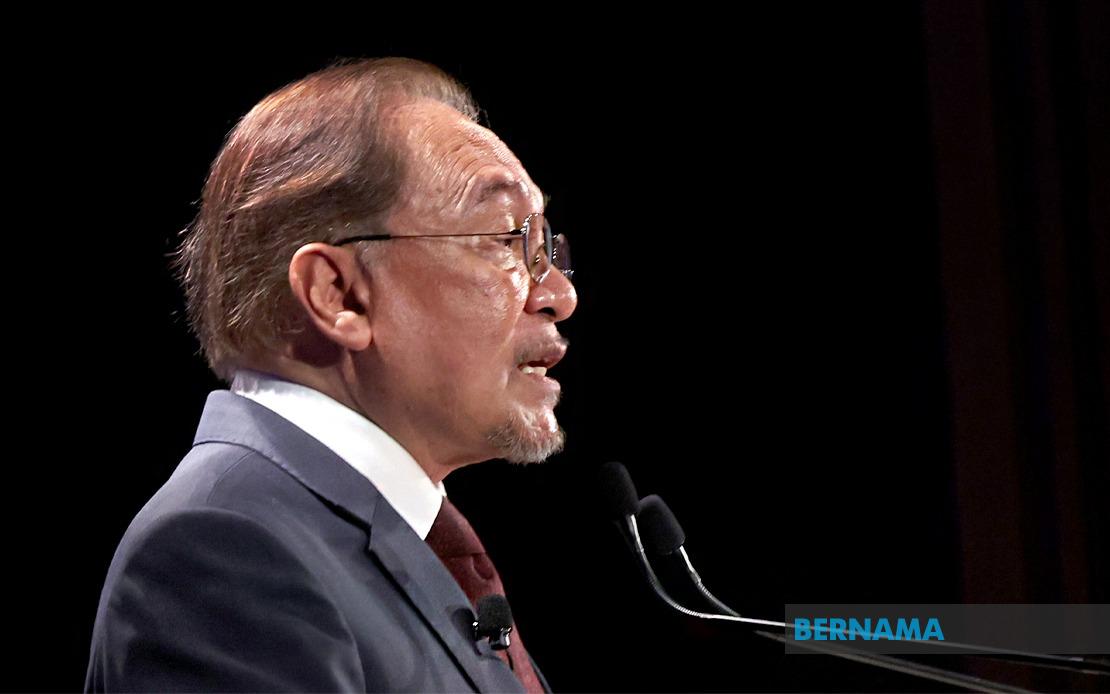
Malaysia has declared its backing for the embryonic understanding between the United States and Iran aimed at de-escalating months of mounting tensions, simultaneously extending recognition to Gulf nations, Türkiye, Pakistan and other intermediaries whose diplomatic efforts helped bring both parties to the negotiating table. Prime Minister Datuk Seri Anwar Ibrahim made the declaration during his keynote address at the 39th Asia-Pacific Roundtable in Kuala Lumpur, signalling Kuala Lumpur's investment in regional stability and its preference for dialogue-driven solutions to geopolitical friction.
Yet beneath this measured endorsement lies a more sobering assessment. Anwar emphasised that the prospects for a durable peace settlement remain decidedly fragile, susceptible to unravelling if any party abandons the agreed framework or if unforeseen incidents trigger renewed hostilities. The prime minister's cautious tone reflects both his experience in navigating complex international relations and the legitimate scepticism born from previous cycles of escalation and temporary ceasefires in the region.
Among the most critical stipulations now demanding immediate attention, Anwar underscored, are the scrupulous implementation of all ceasefire provisions and the urgent restoration of unrestricted passage through the Strait of Hormuz for international maritime commerce. This waterway, one of the world's most strategically significant shipping lanes, had handled roughly one-fifth of global crude oil supplies prior to the recent conflict, making its reopening essential for stabilising commodity markets.
The economic reverberations of prolonged hostility extend far beyond the Middle East itself. Food costs and energy prices have climbed sharply as nations scramble to diversify supply chains and lock in stocks of essential commodities, a defensive response that has imposed substantial strain on household budgets and corporate operations worldwide. Malaysia, as an energy-importing nation heavily reliant on stable global markets, faces direct exposure to these price shocks.
Anwar articulated a broader developmental concern, noting that vast financial resources—spanning billions of dollars—have been redirected away from social programmes, infrastructure investment and poverty reduction initiatives towards military expenditure and the procurement of scarce goods at inflated prices. This opportunity cost remains invisible in most policy discussions yet carries profound implications for long-term prosperity. What might have funded schools, hospitals and economic diversification instead flows into security apparatus and emergency logistics.
The prime minister underscored that these economic abstractions translate into tangible hardship for ordinary people struggling to feed families, pay utility bills and afford basic services. His intervention at the three-day forum, convened by the Institute of Strategic and International Studies (ISIS) Malaysia, sought to elevate discussion beyond diplomatic niceties to the lived reality of citizens bearing the weight of geopolitical conflict.
Qatar, serving as an unofficial intermediary, has publicly stated that Tehran and Washington achieved measurable progress during indirect negotiations concluded on Wednesday. Those discussions reportedly concentrated specifically on navigation rights and security arrangements pertaining to the Strait of Hormuz, suggesting that negotiators identified this tangible objective as a proving ground for mutual compliance and trust-building.
The timing of Malaysia's statement carries particular resonance for Southeast Asia. The region depends on freedom of navigation through these chokepoints and benefits from lower commodity prices resulting from unimpeded global trade flows. Any renewed escalation threatens to disrupt supply chains, inflate import costs for member states of ASEAN, and divert international attention from development priorities in Southeast Asia.
Anwar's qualified optimism—backing the understanding whilst flagging the risks—reflects Malaysia's broader diplomatic posture as a non-aligned nation committed to multilateralism and rule-based international order. By publicly supporting the memorandum whilst candidly warning against complacency, Kuala Lumpur positions itself as a responsible voice advocating for implementation rigour and accountability, rather than merely celebrating an agreement's signing.
The underlying challenge now confronting all stakeholders is transforming a tentative accord into a self-sustaining mechanism that survives the inevitable pressures and provocations that emerge during consolidation phases. Trust remains shallow, precedent offers limited reassurance, and the structural incentives driving both parties back towards confrontation persist. Malaysia's role, alongside other regional and international actors, will involve maintaining diplomatic pressure for compliance and offering economic incentives that make adherence more rewarding than defection.
For Southeast Asia writ large, the stakes are substantial. A genuine de-escalation could unlock trillions of dollars in global economic activity, stabilise energy markets, and free diplomatic bandwidth for addressing collective challenges spanning climate change, pandemic preparedness and development. Conversely, a collapse of the current understanding risks triggering a new cycle of tit-for-tat escalation, proxy conflicts and economic disruption that would reverberate across the world's most dynamic region.
The 39th Asia-Pacific Roundtable, which concluded with Anwar's address, brought together policymakers and strategists from across the Indo-Pacific to deliberate on regional security architecture and economic cooperation. His remarks situated the US-Iran understanding within this broader framework, emphasising that durable peace in the Middle East serves as a prerequisite for the stability and prosperity that underpins regional multilateralism.

