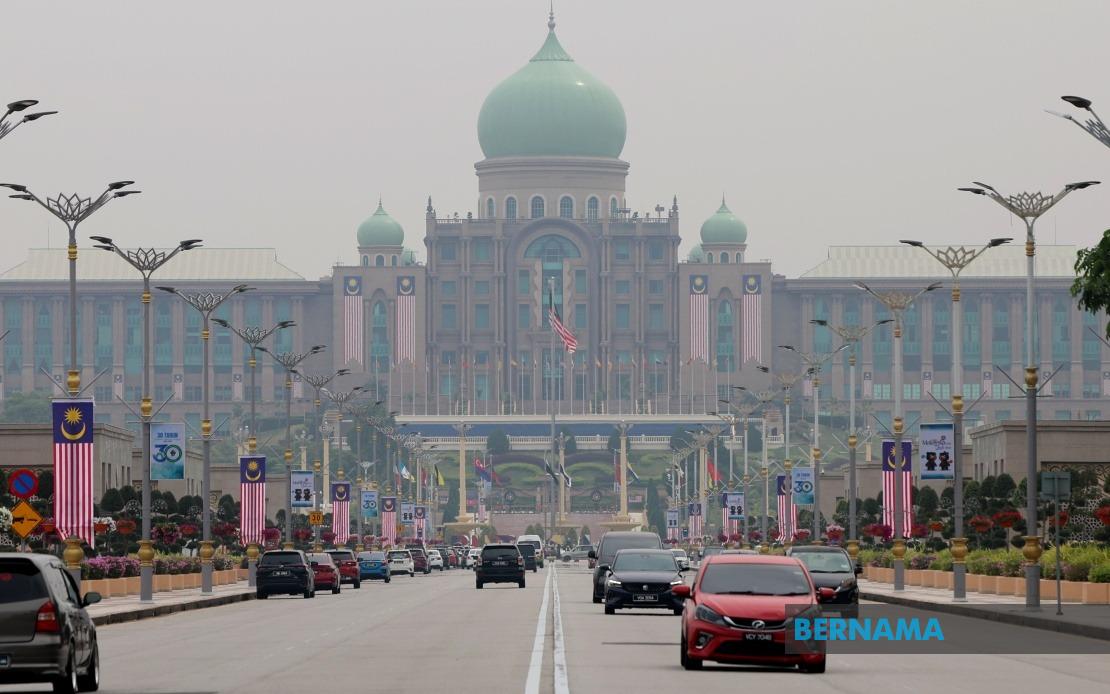
Malaysia is pressing ASEAN member states to coordinate a comprehensive regional response to the growing threat of transboundary haze pollution, emphasizing that while individual nations maintain control within their borders, the cross-boundary nature of the problem demands unified action. Natural Resources and Environmental Sustainability Minister Datuk Seri Arthur Joseph Kurup conveyed Malaysia's position through an official communication to ASEAN Secretary-General Dr Kao Kim Hourn, underscoring that preventive measures, national preparedness and sustained monitoring must be anchored on the ASEAN Agreement on Transboundary Haze Pollution framework.
The minister outlined a multi-faceted approach that requires member states to intensify their domestic control mechanisms while strengthening regional coordination. His recommendations encompassed maintaining rigorous observation of high-risk zones prone to fire activity, upgrading hotspot detection systems, tightening enforcement against open burning practices, and ensuring rapid mobilization of firefighting resources. This layered strategy reflects recognition that preventing haze episodes requires simultaneous action at both national and regional levels, with each component reinforcing the others.
Currently, weather patterns across the southern portions of the ASEAN region are creating conditions favorable to increased wildfire activity. Meteorological monitoring has revealed that prolonged dry spells are contributing to a surge in hotspot occurrences, which in turn drive haze accumulation. The situation carries particular urgency because climate forecasters are predicting a gradual intensification of El Niño conditions over the coming months, a phenomenon historically associated with extended drought periods that dramatically raise fire risk across Southeast Asia.
For Malaysia, which sits in a geographically vulnerable position relative to major fire-prone regions in Indonesia and parts of mainland Southeast Asia, the stakes of regional haze episodes are substantial. The nation's economy, public health, tourism sector and air quality depend significantly on neighboring countries maintaining effective fire prevention and suppression measures. Past haze crises have demonstrated that even when Malaysian authorities successfully prevent domestic fire incidents, transboundary smoke can still severely impact air quality and create health emergencies across the region.
The ASEAN Agreement on Transboundary Haze Pollution, which binds member states to coordinated action, provides the institutional framework for this collective response. However, the agreement's effectiveness depends on timely information sharing, harmonized preparedness standards, and synchronized operational responses. Arthur emphasized that early intervention mechanisms, accurate and rapid data exchange, and close cross-border coordination represent essential pillars for effective haze management, recognizing that information silos between nations can undermine even well-intentioned prevention efforts.
Malaysia has also acknowledged the ASEAN Secretariat's role through the Interim ASEAN Coordinating Centre for Transboundary Haze Pollution Control, which functions as the primary institutional hub for facilitating information dissemination, coordinating preparedness initiatives among member states, and bolstering cooperation mechanisms under the transboundary haze agreement. This recognition suggests Malaysia views the regional secretariat as a critical facilitator and coordinator rather than a directive body, reflecting the consensus-based nature of ASEAN decision-making.
The timing of Malaysia's call is significant, arriving as El Niño indicators suggest the phenomenon may strengthen in coming months. Historical data shows that El Niño conditions have coincided with some of Southeast Asia's most severe haze episodes, including the devastating 2015 crisis that affected multiple countries and created public health emergencies. Proactive positioning and enhanced preparedness now can potentially mitigate the severity of any future episodes if climatic conditions deteriorate as forecasted.
Beyond immediate operational measures, Malaysia's initiative reflects a broader understanding that transboundary haze intersects with climate change adaptation and environmental sustainability at the regional level. The haze problem cannot be solved through unilateral action, as fire management in one nation inevitably affects neighboring populations and economies. This reality necessitates that ASEAN members view haze prevention not as a domestic environmental issue but as a shared regional challenge requiring integrated solutions.
The call for collective action also carries implications for Malaysia's diplomatic positioning within ASEAN. By framing haze prevention as a unifying challenge requiring coordinated response, Malaysia potentially builds consensus around stronger regional environmental governance while reinforcing the principle that transnational environmental threats warrant transnational solutions. This approach aligns with Malaysia's broader advocacy for sustainable development and climate-conscious policymaking across Southeast Asia.
Looking forward, the effectiveness of Malaysia's appeal will depend on whether other ASEAN members match this urgency with concrete resource allocation, enforcement capability improvements, and genuine information-sharing commitments. Some nations possess stronger institutional capacity for fire detection and suppression than others, suggesting that regional cooperation frameworks might need to include technical assistance and capability-building components. Without such follow-through mechanisms, even the most eloquent calls for collective action risk remaining rhetorical gestures rather than translating into tangible improvements in regional haze preparedness and response capacity.

