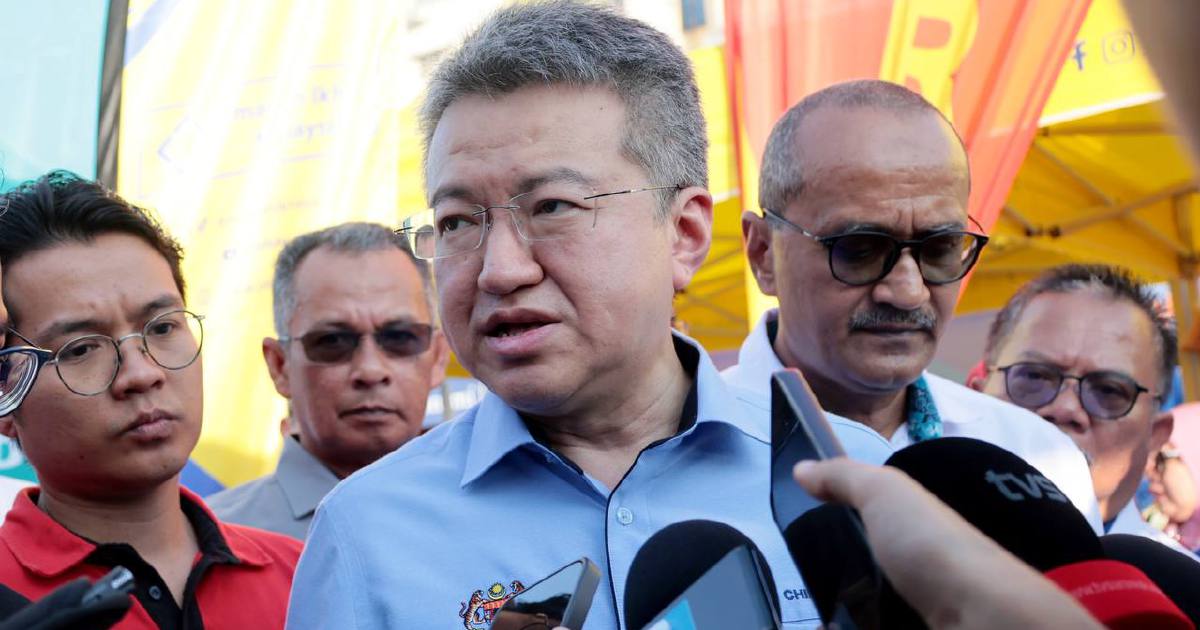
Malaysia's government is charting an increasingly ambitious course in international relations, building on momentum from Prime Minister Datuk Seri Anwar Ibrahim's recent high-level missions to Russia and Turkmenistan. The diplomatic sorties underscore Putrajaya's determination to forge strategic partnerships that extend beyond traditional Western networks, positioning the country as an active participant in emerging geopolitical configurations that reflect the multipolar global order.
Anwar's visits represent a significant engagement with two strategically important nations that have historically occupied peripheral roles in Malaysia's diplomatic calculus. Russia remains a major energy exporter and permanent UN Security Council member wielding considerable influence across multiple regions, while Turkmenistan offers critical positioning along Central Asian corridors that connect Asia to Europe and the Middle East. The timing of these missions reflects Malaysia's recognition that economic and geopolitical weight is increasingly distributed among multiple power centres, and that Southeast Asian prosperity depends on maintaining constructive relationships across this fragmented landscape.
The Russian engagement carries particular significance given the complex global environment shaped by geopolitical tensions and competing economic blocs. Malaysia has historically maintained careful diplomatic balance, avoiding alignment with any single camp while preserving space to cooperate pragmatically with all major powers. This approach has served the country well, allowing it to pursue bilateral relationships without sacrificing multilateral standing. Anwar's visit reinforces this equilibrium, signalling that Kuala Lumpur intends to develop substantive cooperation with Moscow across energy, trade, defence and technology sectors rather than viewing the relationship through a narrow ideological lens.
Turkmenistan represents an equally important element in Malaysia's expanding strategic architecture. As Central Asia's largest energy exporter and a country sitting at critical junctures of global trade and transit routes, Turkmenistan holds untapped potential for Malaysian investment and partnership. The nation's vast natural gas reserves and developing infrastructure projects create opportunities for Malaysian companies in energy, engineering, and technology sectors. Additionally, Turkmenistan's position as a bridge between Asia, Europe, and the Middle East means that partnerships forged there can facilitate broader regional integration beneficial to Malaysian interests.
Putrajaya's pivot towards more expansive global engagement reflects both opportunity and necessity. Regionally, Southeast Asia faces mounting pressure to maintain relevance as larger powers jockey for influence. Malaysia, as the current ASEAN chair or soon to play significant roles in regional architecture, has responsibility to demonstrate that the bloc can engage with external powers from a position of strength and agency. By pursuing independent diplomatic initiatives, Malaysia projects confidence that ASEAN nations need not be passive recipients of great power competition but can actively shape outcomes to their advantage.
Economically, diversifying partnerships serves crucial national interests. Malaysia's traditional reliance on American, European, and regional markets has served it well, yet increasingly sophisticated global value chains require access to new markets, investment sources, and technological capabilities. Russia possesses advanced technology sectors in areas like energy transition and industrial applications, while Central Asian nations offer growth opportunities as their economies develop. These partnerships can reduce Malaysian dependence on any single trading partner or capital source, enhancing economic resilience.
The diplomatic missions also signal Malaysia's commitment to multilateral engagement beyond Western-dominated institutions. While Malaysia remains deeply integrated into global institutions founded after World War II, the government recognizes that these structures increasingly require supplementation through flexible, issue-based coalitions and bilateral partnerships. Engaging with Russia and Turkmenistan demonstrates willingness to work with nations that pursue independent foreign policies, creating space for alternative cooperation models that may better serve Malaysian interests in specific domains.
For Southeast Asia more broadly, Malaysia's expanded engagement reflects a regional-wide strategy of hedging and diversification. As ASEAN members collectively face pressure to take sides in emerging great power competitions, Malaysia's approach suggests a template for maintaining autonomy. The region cannot afford to become a theatre for proxy conflicts, nor can it afford the economic costs of choosing exclusively between major powers. By actively cultivating relationships across the political spectrum, Malaysia demonstrates that Southeast Asian nations can pursue sophisticated foreign policies that serve national interests without sacrificing regional cohesion.
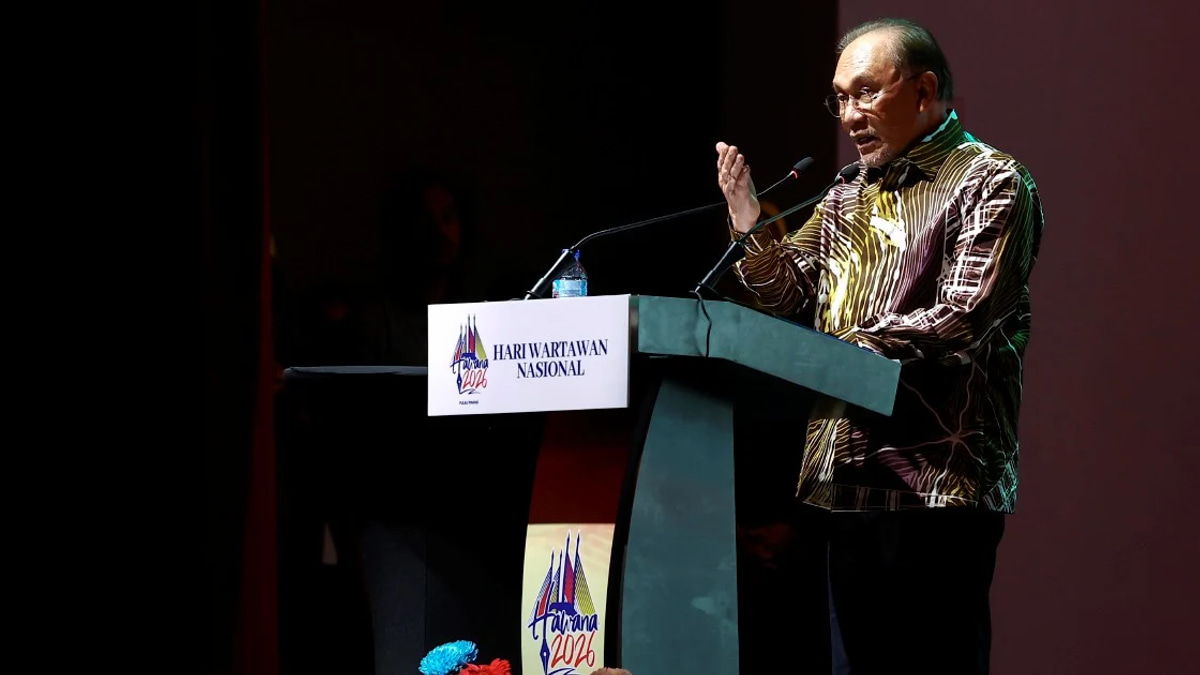
Anwar's diplomatic trajectory has emphasized Malaysia's role as a bridge-builder and responsible international actor. His visits to Russia and Turkmenistan fit this broader pattern, expanding Malaysia's diplomatic footprint while avoiding the appearance of ideological commitment to any particular bloc. This approach resonates both domestically, where Malaysian voters appreciate government efforts to secure economic opportunities, and internationally, where Malaysia's moderate stance commands respect across diverse political systems.
Looking forward, Malaysia's expanded engagement likely extends beyond bilateral relationships to encompass sectoral cooperation and multilateral initiatives. Energy cooperation with Russia could involve knowledge-sharing on renewable transitions and resource management. Involvement with Turkmenistan might eventually translate into participation in broader Central Asian development initiatives or alternative trade corridor projects that reduce reliance on traditional maritime routes vulnerable to disruption.
The government's pursuit of wider global partnerships also reflects recognition that Malaysia's future prosperity depends on its ability to access the most dynamic markets and innovation hubs globally. Whether through technology transfers, investment partnerships, or trade relationships, engagement with diverse nations provides exposure to different development models and business practices that Malaysian companies can adapt for competitive advantage. In an era of economic fragmentation and competing standards, such exposure becomes increasingly valuable.
Ultimately, Putrajaya's diplomatic activism signals confidence in Malaysia's international standing and capacity to shape its own destiny. Rather than passively responding to great power competition, the government is proactively building relationships that serve Malaysian interests. This approach, grounded in pragmatism rather than ideology, reflects the diplomatic maturity that Southeast Asian nations have cultivated over decades of managing complex regional dynamics.
%22%2F%3E%3C%2Fpattern%3E%3C%2Fdefs%3E%3Crect%20width%3D%22100%25%22%20height%3D%22100%25%22%20fill%3D%22url(%23ph2wu8ng)%22%2F%3E%3Crect%20width%3D%22100%25%22%20height%3D%22100%25%22%20fill%3D%22url(%23ph2wu8np)%22%2F%3E%3Ctext%20x%3D%2250%25%22%20y%3D%2250%25%22%20text-anchor%3D%22middle%22%20dominant-baseline%3D%22central%22%20fill%3D%22rgba(255%2C255%2C255%2C0.95)%22%20font-family%3D%22Georgia%2C%20'Times%20New%20Roman'%2C%20serif%22%20font-weight%3D%22700%22%20font-size%3D%22272%22%20letter-spacing%3D%22-0.02em%22%3EAnwar%3C%2Ftext%3E%3C%2Fsvg%3E)