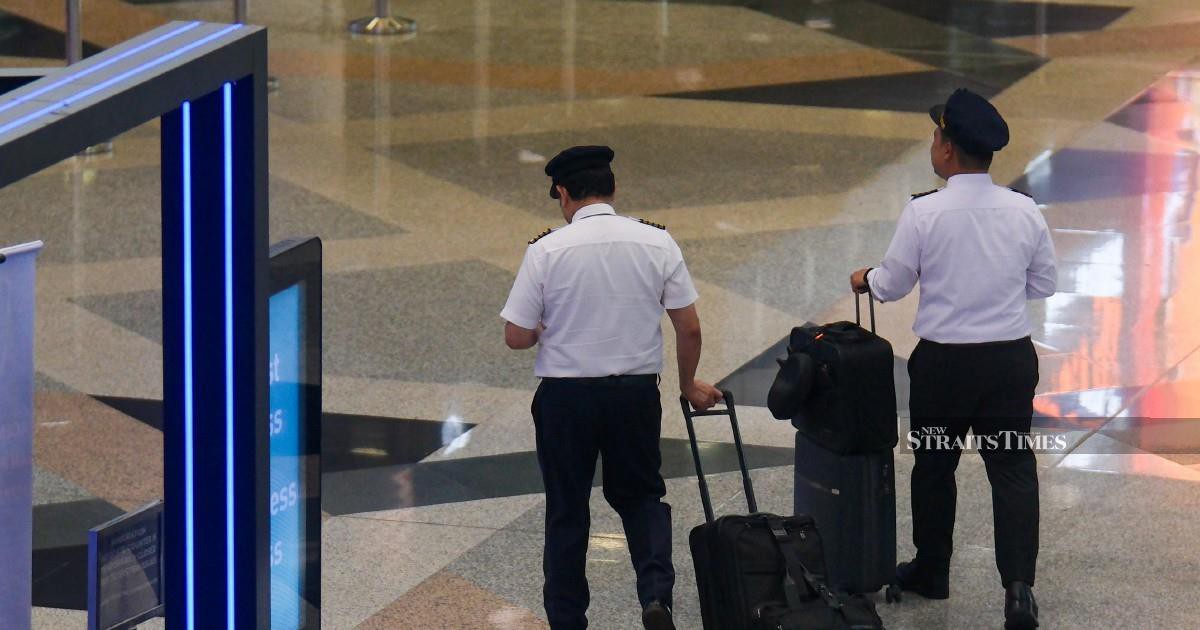
The anti-corruption advocacy group Malaysia Corruption Watch has shifted focus in the ongoing investigation of a pilot discovered carrying drugs into Indonesia, advocating that authorities examine systemic security deficiencies at Kuala Lumpur International Airport rather than concentrate efforts on determining which government agency bears responsibility for the breach.
This call represents a significant reframing of the investigative approach, moving away from the typical pattern of bureaucratic accountability exercises. MCW's position suggests that the fundamental issue lies not necessarily in individual negligence or departmental failure, but in structural vulnerabilities within KLIA's security infrastructure that enabled the incident to occur undetected initially.
Kuala Lumpur International Airport, as Malaysia's primary aviation hub and one of Southeast Asia's busiest international gateways, processes hundreds of thousands of passengers monthly. The airport's security systems are designed to prevent exactly the type of contraband movement that occurred in this case. That a pilot—an individual operating under particularly stringent vetting requirements—managed to traverse these checkpoints with illicit substances raises troubling questions about the robustness and consistency of existing protocols.
The distinction MCW makes between accountability and prevention is instructive for how Malaysia approaches aviation security governance. While identifying responsible parties serves bureaucratic purposes, understanding and remediating security gaps directly improves operations and protects Malaysia's international reputation. A thorough examination of security procedures could reveal whether existing systems are functioning as designed, whether they are being implemented consistently, or whether the design itself contains fundamental flaws.
Pilots occupy a unique position within airport security frameworks. Their professional credentials, repeated vetting, and legitimate access to restricted areas mean security measures applicable to ordinary travellers may not fully extend to aircrew. This creates potential blind spots. MCW's intervention highlights the necessity of reviewing whether these professional exemptions are balanced appropriately against security requirements, or whether they inadvertently create exploitable gaps.
The incident occurring in Indonesian airspace rather than at KLIA itself adds another investigative layer. This suggests the contraband successfully passed through Malaysian security protocols before the discovery overseas. Such a development indicates the breach was not prevented at the source but only detected downstream, which is ultimately a failure of preventive security architecture. Indonesia's discovery amounts to a neighbouring country detecting Malaysia's security failure, a diplomatically awkward circumstance that underscores the urgency of remediation.
Malaysia's reputation as a reliable aviation hub depends significantly on both actual and perceived security standards. International airlines, cargo operators, and passengers factor airport safety credentials into their decisions. Perception of security vulnerabilities can influence route planning and operational confidence. While one incident does not define an airport's overall security posture, the manner in which authorities respond—whether defensively assigning blame internally or proactively addressing systemic issues—signals commitment to genuine improvement versus performative accountability.
MCW's recommendation aligns with international best practices in aviation security governance. Leading global airports maintain continuous security assessment programs that treat vulnerabilities as learning opportunities rather than occasions for institutional blame allocation. This approach encourages honest reporting of security gaps and encourages staff cooperation in identifying and addressing weaknesses before incidents occur.
The broader context for Malaysian aviation security includes increasing regional focus on drug trafficking and contraband prevention. Southeast Asian airports face mounting pressure to intercept narcotics moving through international supply chains. Enhanced security measures at KLIA reflect this environment. However, robust security requires not merely checkpoint vigilance but comprehensive systems thinking—understanding how individual procedures interconnect and where procedural chains might contain weaknesses.
For Malaysia's aviation sector and law enforcement agencies, MCW's intervention offers an opportunity to demonstrate sophisticated security governance. Rather than pursuing a narrow investigation identifying culpable parties, authorities could undertake a comprehensive security audit examining screening procedures, staff training consistency, technology capabilities, and information sharing between agencies. Such an approach would produce actionable improvements rather than simply assigning responsibility.
The pilot case also underscores the importance of international aviation cooperation. That Indonesia detected the contraband demonstrates functioning inter-nation protocols, but Malaysia's initial failure to prevent the situation represents a gap in its own systems. Strengthening KLIA's security architecture benefits not only Malaysia but regional aviation broadly, reducing risks that transnational criminal networks exploit aviation infrastructure.
Moving forward, MCW's counsel suggests that Malaysia should treat this incident as a system-improvement opportunity rather than a crisis requiring blame assignment. Detailed examination of security procedures, staff training, technology deployment, and inter-agency coordination will likely reveal specific vulnerabilities. Addressing these systematically, rather than pursuing institutional accountability, will better serve Malaysia's interests in maintaining international aviation confidence and preventing future contraband breaches.

