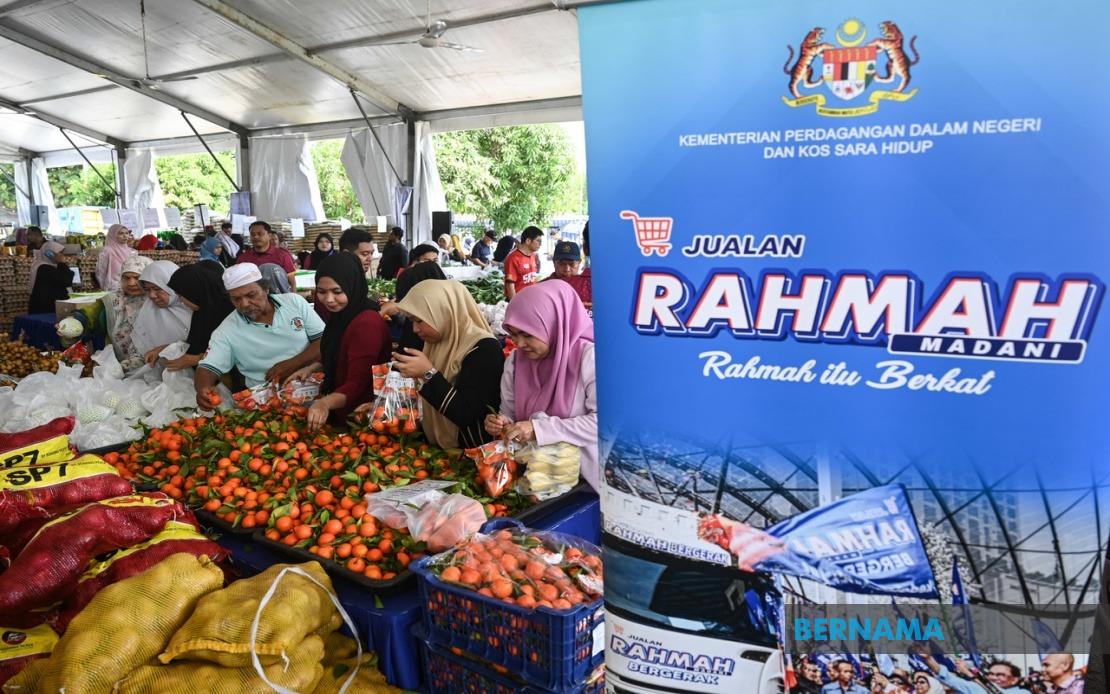
The Malaysian government will introduce its first nationwide online discount sale specifically timed to mark Malaysia Day 2026, as Prime Minister Datuk Seri Anwar Ibrahim unveiled the expanded Ihsan Rahmah 9.9 initiative at the TikTok Shop Summit Malaysia on August 20. The virtual marketplace event represents a strategic shift in how Putrajaya distributes subsidised goods to the nation's 34.5 million residents, moving beyond traditional brick-and-mortar outlets to reach shoppers through digital commerce platforms during the critical shopping period of early September.
The initiative underscores the government's approach to addressing household purchasing power through coordinated pricing interventions rather than direct monetary transfers. By partnering with e-commerce operators and relevant federal agencies, the programme targets the persistent anxiety among Malaysian families about affording basic necessities despite the country's solid macroeconomic performance. Prime Minister Anwar framed the sale as tangible evidence of government commitment to translating headline growth figures into improved living standards for ordinary households, a messaging strategy that acknowledges growing frustration with the disconnect between national economic data and household finances.
The Ihsan Rahmah platform, administered by the Ministry of Domestic Trade and Cost of Living, has previously operated through physical retail locations where vendors dispense basic goods at discounts ranging between 10 and 30 percent below regular retail prices. The transition to digital retail through the September 9 launch represents an important modernisation, potentially expanding the programme's reach beyond geographical constraints and allowing consumers greater flexibility in shopping timing and product selection. E-commerce penetration remains relatively high among Malaysian urban populations, though rural and elderly demographics may face barriers accessing these platforms, suggesting the government will need to maintain complementary distribution channels.
Communications Minister Datuk Seri Fahmi Fadzil, Entrepreneur and Cooperative Development Minister Steven Sim Chee Keong, and Domestic Trade and Cost of Living Minister Datuk Armizan Mohd Ali attended the TikTok Shop Summit announcement, signalling cross-ministerial coordination on the initiative. The presence of these officials indicates the government views the programme as extending beyond simple consumer price management into broader economic policy, potentially incorporating elements of entrepreneurship support through vendor participation and cooperative development through integrated supply chains.
The choice of September 9 as the launch date deliberately aligns with Malaysia Day commemorations, when national economic sentiment typically strengthens and consumer confidence peaks around patriotic occasions. This timing strategy represents a calculated effort to marry fiscal policy with national narrative construction, positioning affordable goods availability as a patriotic achievement rather than merely a welfare measure. The psychological dimension of linking cost-of-living relief to national celebrations reinforces messaging around government competence and citizen care.
Prime Minister Anwar emphasised that strong economic growth must be accompanied by concrete improvements in living conditions across multiple dimensions including education, health, basic infrastructure, and cost management. This framing suggests government recognition that GDP expansion alone does not address public concerns about household budget pressures, particularly regarding food, transportation, and utilities. The policy responds to documented anxiety about inflationary impacts on fixed-income households and working families navigating wage stagnation against rising costs.
The move to online commerce for Ihsan Rahmah also aligns with broader Southeast Asian trends toward digital-first solutions for government services and citizen benefits. Malaysia's relatively advanced digital infrastructure and high smartphone penetration rates compared to regional peers make e-commerce-based distribution feasible at scale. However, successful implementation will require seamless integration across multiple platforms, reliable vendor participation, transparent pricing mechanisms, and adequate logistics support to prevent bottlenecks that plagued earlier online sales initiatives.
For Malaysian consumers, the programme offers immediate relief during high-spending periods when household budgets face pressure from back-to-school expenses, utility bills, and other seasonal costs. The 10 to 30 percent discount band translates into meaningful savings for families purchasing staple items, though the ultimate impact depends on product availability, range diversity, and whether suppliers can sustain participation without undue margin compression. The success of similar regional initiatives in Thailand and Indonesia suggests online flash sales can effectively channel demand toward government-supported merchants when properly managed.
The government's emphasis on widespread promotion indicates awareness that awareness remains a significant barrier to programme utilisation. Previous Jualan Rahmah activations achieved strong initial uptake in urban areas but faced lower participation in rural regions where internet access and platform familiarity remain limited. Public communication campaigns coordinated through government agencies and social media channels will prove crucial to maximising reach among target demographics, particularly lower-income households with tight shopping schedules.
From a regional perspective, Malaysia's approach demonstrates how Southeast Asian governments balance free-market principles with targeted interventions to manage cost-of-living pressures without implementing permanent price controls. The programme avoids distorting producer incentives through sustained subsidies while providing periodic relief precisely when household budgets require support. Other regional economies facing similar affordability challenges may observe Malaysia's digital implementation model as a template for scalable cost-of-living management.
The Ihsan Rahmah 9.9 online sale also reflects broader considerations around e-commerce ecosystem development, where government programmes can simultaneously support small and medium enterprises as vendors while expanding digital payment adoption and logistics capabilities. By channelling subsidised goods through online platforms, the initiative indirectly stimulates digital commerce infrastructure investment and consumer familiarity with virtual shopping, benefits extending beyond the immediate discount period.
Looking forward, the success of this inaugural September 9 launch will likely determine whether government expands the programme frequency or scale. Positive consumer response and vendor participation could lead to quarterly or seasonal iterations, progressively institutionalising digital-first welfare distribution. Conversely, logistical failures or vendor challenges could necessitate reversion to hybrid physical-digital models or more targeted distribution focusing on specific demographics or product categories.

