The Department of Information (JAPEN) is preparing to mobilise a nationwide campaign of interactive community activities aimed at strengthening patriotic sentiment during this year's National Month and Malaysia Day celebrations. Although operating at a measured scale, the initiative maintains an ambitious engagement strategy with Malaysians across diverse settings and geographic locations. The programmes, which will be delivered through JAPEN's mobile units, represent a deliberate shift towards bringing patriotic activities directly to communities rather than concentrating them in large-scale central events.
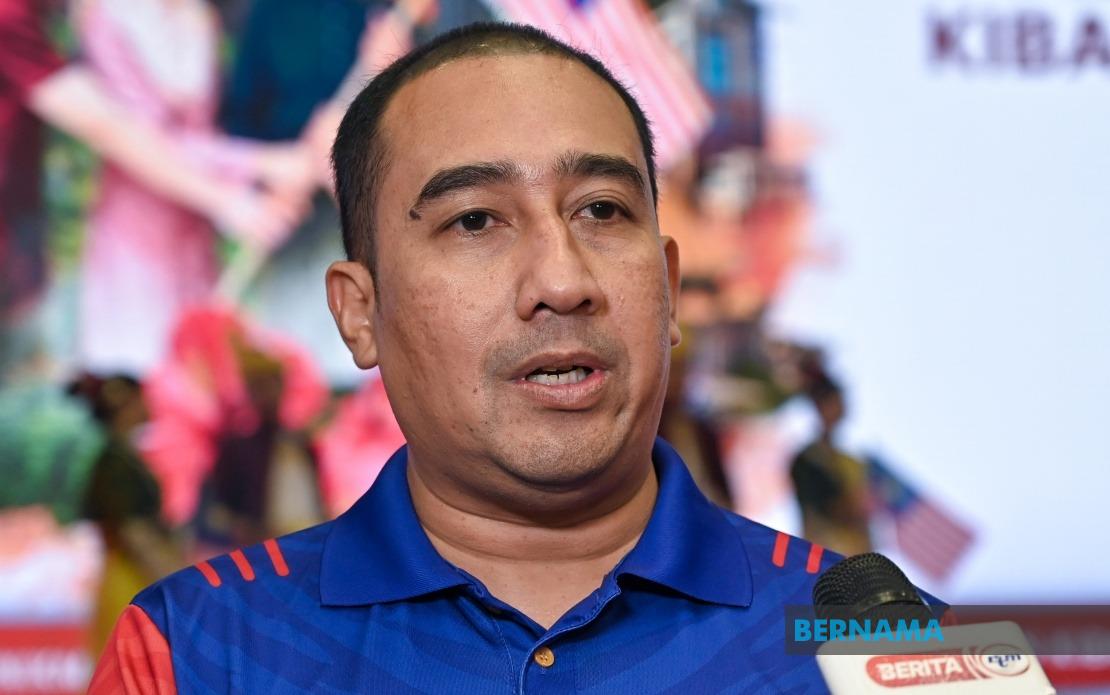
Muhammad Najmi Mustapha, who oversees JAPEN's Communication Services and Community Development Division, outlined the strategic approach during an inspection of the 2026 National Month and Fly the Jalur Gemilang Campaign rehearsal held at the Sultan Azlan Shah Ministry of Health Training Institute in Tanjung Rambutan, Perak. Despite the moderate scale of festivities, he emphasised that the programming will deliver substantive and engaging activities that resonate with diverse community segments. The mobile unit strategy allows JAPEN to establish a physical presence at numerous checkpoints, places of worship, and sports venues across the country, fundamentally changing how the department approaches national celebrations.
Central to this year's approach is the expanded 1 House 1 Jalur Gemilang campaign, which now encompasses two newly added clusters beyond its original seven-sector framework. Historically, the campaign focused on industry, education, security, health, government agencies, higher education institutions, and community groups. The incorporation of places of worship and sports facilities as dedicated clusters recognises the importance of these venues as nodes of social cohesion and community identity in Malaysian society. This expansion acknowledges that patriotic consciousness is nurtured not only through formal institutional channels but also through spaces where Malaysians gather for spiritual reflection and physical recreation.
The practical implementation of the expanded campaign involves distributing Jalur Gemilang kits to households and public institutions while simultaneously encouraging recipients to participate in flag-flying activities. At selected places of worship, JAPEN will provide financial contributions alongside invitations for congregants to join in hoisting the national flag. This dual approach of material support and participatory engagement represents a shift from passive receipt of patriotic symbols to active community involvement in national observances. By embedding flag-flying practices within the regular activities of religious and sporting communities, JAPEN aims to naturalise and normalise patriotic expression across Malaysian society.
Mohd Haizul Hod, director of JAPEN's Media and Corporate Communication Division, previously explained that expanding the campaign to encompass places of worship and sports venues was essential for achieving comprehensive and inclusive flag-flying practices. The recognition that patriotic sentiment operates through multiple social spheres reflects an understanding that national identity is constructed and reinforced through everyday interactions in varied settings. Rather than relegating flag-flying to formal national days, the expanded framework encourages sustained patriotic practices throughout the year within institutions where Malaysians naturally congregate.
The centrepiece of the 2026 celebrations will be a formal launch ceremony scheduled for the morning of July 19, with Prime Minister Datuk Seri Anwar Ibrahim designated to officiate the proceedings. The ceremony incorporates several symbolic elements designed to resonate with public sentiment and reinforce national pride. A Merdeka Patriot Run will commence the morning's activities, bringing together participants in a shared physical experience of national commemoration. Notably, security forces will resume hoisting the Jalur Gemilang during the launch ceremony itself, marking the resumption of this practice after a two-year absence that had interrupted this important ceremonial tradition.
The launch programme will unveil the official HKHM2026 theme song, providing a musical dimension to the celebrations that extends beyond visual and ceremonial elements. The thematic integration of patriotic messaging through music reflects contemporary approaches to national identity formation, recognising that cultural and artistic expressions reach audiences through diverse sensory channels and emotional resonances. Broadcast across multiple digital and traditional media platforms—including Radio Televisyen Malaysia, Bernama, the Merdeka360 Facebook Live stream, the Ministry of Communications, and JAPEN itself—the ceremony will achieve substantial reach and accessibility.
The 10 am launch ceremony is expected to attract approximately 3,000 attendees, including representatives from MADANI Community groups distributed across Malaysia's various states and regions. This participatory audience composition ensures that the launch reflects grassroots engagement rather than exclusively elite or government participation. The deliberate invitation of MADANI Community members underscores government intent to present national celebrations as inclusive endeavours that welcome citizen participation and ownership. The convening of such geographically diverse participants also demonstrates logistical commitment to making the launch a nationally representative occasion despite geographic constraints.
For Malaysian readers and observers across Southeast Asia, the 2026 National Month and Malaysia Day celebrations offer insight into how contemporary governments calibrate national commemorations. The decision to maintain moderate scale while expanding community reach suggests recalibration away from grand centralised displays toward distributed grassroots activation. This approach reflects broader trends in governance that emphasise decentralised engagement and community-level programme delivery. The strategic expansion of patriotic campaigns through places of worship and sports facilities recognises that national identity is most durable when embedded within communities and institutions where people maintain regular social participation.
The initiative also carries implications for how Malaysia sustains patriotic sentiment amid evolving social dynamics. By integrating patriotic practices into the normal functioning of religious institutions and sporting venues, JAPEN attempts to make national identity expression feel organic rather than imposed or ceremonial. This embedded approach potentially generates more sustained commitment to national symbols and values compared to episodic mass gatherings limited to designated national days. The expansion strategy implicitly acknowledges that effective patriotic messaging occurs through repetition and normalisation within trusted social institutions rather than through singular dramatic public events.
The nationwide rollout of mobile units engaging multiple community clusters represents significant logistical undertaking for JAPEN and partner organisations across Malaysia's federal structure. Coordinating activities across checkpoints, religious sites, and sporting venues in geographically dispersed locations requires substantial planning and resource allocation. The commitment to this distributed model reflects institutional prioritisation of community-level engagement over centralised spectacle, suggesting evolving understanding of effective governance communication strategies. For regional observers, Malaysia's approach to national celebrations provides a template for how developing democracies balance inclusive civic engagement with operational efficiency and resource constraints.

