The countdown to Malaysia's 2026 National Day and Malaysia Day celebrations officially begins tomorrow with an elaborate launch ceremony in Ipoh, marking the start of a series of programmes designed to deepen the nation's patriotic spirit. The event represents a continuation of the government's commitment to celebrating Malaysian identity through coordinated national programming, whilst introducing fresh elements intended to capture public imagination and broaden participation across the country.
Datuk Aminurrahim Mohamed, Senior Undersecretary at the Communications Ministry and working secretary of the HKHM 2026 Main Committee, outlined the strategic vision underpinning this year's celebrations during a site visit in Ipoh. The planned slate of initiatives extends beyond traditional observances, incorporating contemporary formats alongside established customs. The Kembara Bahasa HKHM 2026 and RIUH Merdeka programmes sit at the heart of what officials term the Countdown Programme, forming the backbone of engagement activities stretching across the months leading to August and September celebrations.
Innovation tempered by tradition characterises the programming approach. Rather than disclosing all components immediately, organisers have deliberately withheld details to generate sustained public anticipation and maintain what Aminurrahim described as a "wow factor" throughout the campaign period. This measured approach reflects lessons learned from previous celebrations, where staged announcements maintained media interest and public engagement momentum. The inclusion of refined elements—some entirely new whilst others represent evolved versions of past initiatives—suggests planners have invested considerable effort in audience research and feedback analysis.
The Qur'an Hour programme, which proved popular in previous years, will continue as part of the spiritual dimension of national celebrations. This programme resonates particularly with Malaysia's Muslim majority population and underscores how National Month activities accommodate the nation's religious diversity. The retention of successful elements alongside innovation demonstrates institutional learning about what resonates with different demographic segments across Malaysian society.
Beyond programme content, officials emphasise the importance of grassroots participation and ambient patriotic expression. Aminurrahim urged Malaysians to commence celebrations immediately by displaying the Jalur Gemilang flag and playing patriotic music—actions that transform private spaces into expressions of national identity. This decentralised approach to patriotism, where individual households and businesses contribute to the broader national mood, reflects recognition that authentic celebration emerges from widespread voluntary participation rather than top-down direction alone.
Spiritual and civic dimensions intersect in the messaging around national celebrations. Aminurrahim highlighted the importance of collective prayer for national prosperity, peace, and cohesion—sentiments that resonate across Malaysia's multi-faith society and emphasise shared stakes in national wellbeing. This framing positions celebrations as opportunities for reflection on citizenship and collective responsibility, elevating them beyond mere commemorative ceremonies.
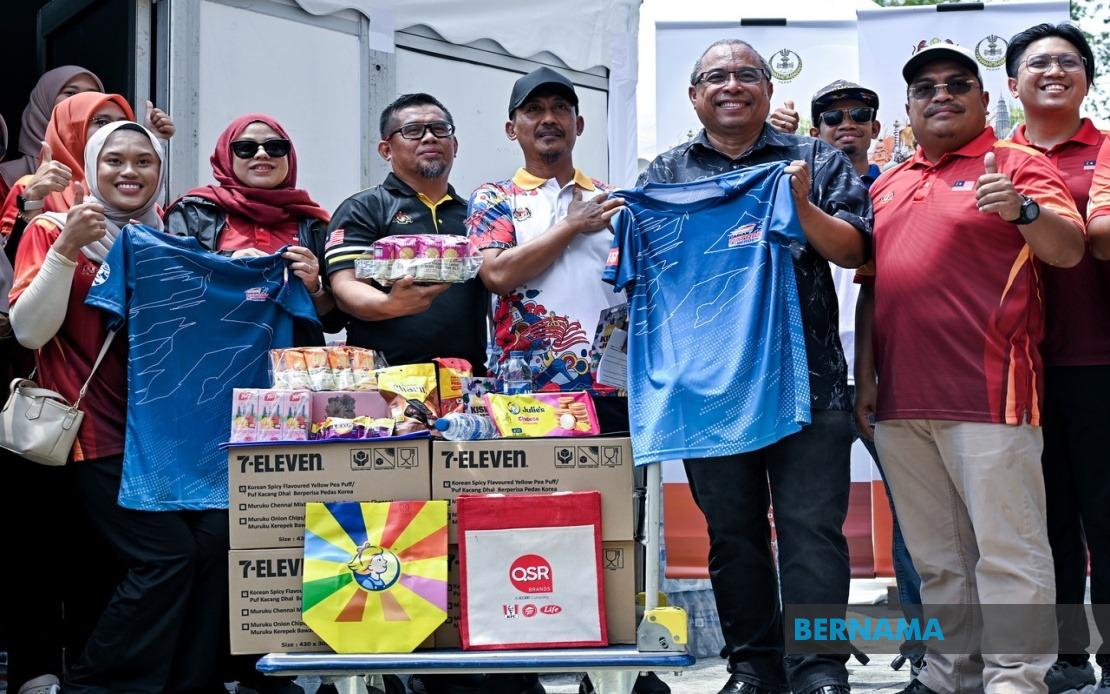
Corporate sector engagement has strengthened considerably, with fifteen companies committing sponsorship support specifically for the Ipoh launch and related activities. The roster of sponsors—including J&T Express, 7-Eleven Malaysia, ZUS Coffee, and QSR Brands—demonstrates broad-based business community participation spanning logistics, retail, and food and beverage sectors. This commercial backing enables celebratory events to be staged at scale comparable to previous years, a significant consideration given the economic uncertainties facing many organisations.
The secured sponsorship level reportedly matches or exceeds the previous year's contribution, providing confidence that financial constraints will not diminish the scope and quality of public-facing programmes. For Malaysian business entities, participation in National Month sponsorships represents both patriotic commitment and brand alignment with national sentiment—a positioning particularly valuable during periods emphasising national unity and shared identity.
Tomorrow's launch ceremony in Ipoh will be officiated by Prime Minister Datuk Seri Anwar Ibrahim, signalling high-level government commitment and elevating the event's political and symbolic importance. The morning programme includes the Patriot Merdeka Run, a community participation element that channels patriotic sentiment into collective physical activity. The afternoon centrepiece—unveiling of the HKHM 2026 theme song performed by an unnamed prominent Malaysian male vocalist before an estimated three thousand guests—combines entertainment value with nationalist messaging, employing music as a vehicle for emotional connection to national identity.
Mediated access extends the event's reach beyond in-person attendees. Broadcasting through Radio Televisyen Malaysia (RTM) and live streaming via Bernama, the Communications Ministry, the Information Department, and Merdeka360 Facebook pages ensures nationwide and potentially diaspora engagement. This multi-platform approach acknowledges contemporary media consumption patterns and ensures celebrations remain accessible to Malaysians regardless of physical proximity to Ipoh.
For Southeast Asian observers, Malaysia's National Month programming illustrates how middle-income democracies balance patriotic messaging with institutional stability. The emphasis on sustained engagement over several months, diverse programming spanning cultural, spiritual, and civic elements, and broad stakeholder participation reflects sophisticated understanding of how national cohesion is constructed and maintained. The prominence afforded corporate partnerships and media broadcasting demonstrates how celebrations function as platforms for reinforcing national identity across state, business, and civil society actors simultaneously.

