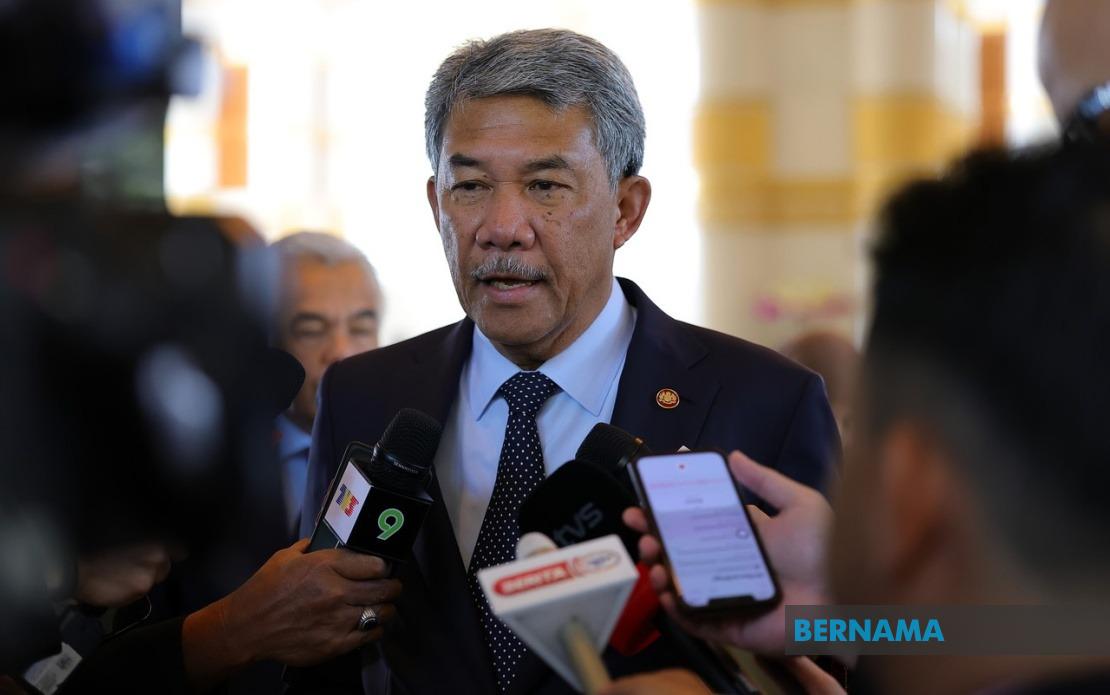
Malaysia is turning to its established regional diplomatic machinery to tackle the transboundary haze crisis sweeping across Southeast Asia. Foreign Minister Datuk Seri Mohamad Hasan declared that the country will pursue coordinated solutions through ASEAN frameworks, positioning the bloc as the optimal venue for managing environmental challenges that transcend national borders. The announcement came during Hasan's working visit to Brunei, where he stressed that ASEAN's institutional capacity makes it the most suitable platform for addressing environmental and political issues affecting member states.
The Malaysian government plans to escalate its formal engagement through two parallel channels. The Ministry of Natural Resources and Environmental Sustainability (NRES) will dispatch an official letter to the ASEAN Secretariat, while NRES Minister Datuk Seri Arthur Joseph Kurup will establish direct correspondence with his counterpart in Indonesia. This two-pronged approach reflects the government's understanding that addressing transboundary pollution requires both multilateral institutional engagement and bilateral dialogue with the primary source nation. By routing the matter through established ASEAN protocols, Malaysia aims to create documented diplomatic pressure while maintaining constructive working relationships essential for long-term environmental cooperation.
The haze situation has reached critical levels across Malaysian territory, particularly in Sarawak. Data from the Malaysian Air Pollutant Index Management System (APIMS) revealed alarming air quality readings as of 4 pm on August 21. Serian District Police Headquarters recorded an API reading of 217, classified as "very unhealthy" and representing dangerous levels for vulnerable populations including children, elderly residents, and individuals with respiratory conditions. Nine additional locations across Sarawak registered "unhealthy" classifications, with readings ranging from 125 to 186, affecting major population centres including Kuching (171), Sibu and Samalaju (156), and Bintulu (153).
The scale of this pollution event underscores the interconnected nature of environmental challenges in the region. Unlike localised air quality issues, transboundary haze moves across borders regardless of national boundaries, making unilateral action insufficient. When smoke and particulates originate from forest fires or industrial burning in neighbouring countries, affected nations must engage in regional diplomacy and seek coordinated preventative measures. Malaysia's decision to engage ASEAN reflects recognition that sustainable solutions require commitment from all member states to enforce environmental standards and prevent activities that generate transboundary pollution.
Brunei shares Malaysia's concern about the deteriorating air quality, having also experienced haze impacts. High Commissioner Datuk Mohd Aini Atan confirmed that the pollution crisis would feature prominently in bilateral discussions between Prime Minister Datuk Seri Anwar Ibrahim and His Majesty Sultan Hassanal Bolkiah during their scheduled Leaders' Consultation. The timing of this environmental issue coinciding with high-level state visits demonstrates how pressing the matter has become for regional leadership. When environmental crises command attention at the level of prime ministerial and royal engagement, it signals the gravity of the situation and the need for immediate policy responses.
ASEAN's institutional framework has previously served as a venue for environmental cooperation, though implementation of agreed measures has faced challenges. The bloc operates on consensus-based decision-making principles, which can sometimes slow decisive action but theoretically ensures all member states buy into collaborative solutions. By elevating the haze issue through ASEAN channels, Malaysia is attempting to transform a bilateral problem into a collective regional concern requiring coordinated response mechanisms. This approach carries strategic advantages: it distributes responsibility across member states, potentially strengthens enforcement through peer pressure, and creates formal documentation of commitments that can be referenced in future diplomacy.
Indonesia's position remains crucial to any meaningful resolution. As the likely source of transboundary smoke and particulates, Indonesia faces both domestic and international pressure to intensify prevention and suppression efforts. The direct ministerial correspondence between NRES officials and Indonesian counterparts will communicate Malaysia's expectations clearly while maintaining diplomatic courtesy. Indonesia has its own environmental challenges and economic interests tied to land use, making the negotiation complex. However, repeated instances of transboundary haze have gradually strengthened regional consensus that uncontrolled burning practices create externalities affecting neighbouring economies and public health systems.
The public health implications of sustained "very unhealthy" API readings cannot be understated. Prolonged exposure to haze increases respiratory infections, aggravates asthma, reduces visibility on roadways creating traffic safety hazards, and imposes economic costs through reduced productivity and healthcare expenditures. Schools may need to suspend outdoor activities, reducing educational quality. Air quality emergencies place particular strain on healthcare systems in affected regions, diverting resources from other services. For Malaysia's economy, persistent haze can deter tourism, discourage foreign investment in affected areas, and reduce worker productivity in outdoor industries.
The diplomatic approach chosen by Malaysia reflects lessons learned from previous haze episodes. Historical responses have shown that unilateral measures—such as promoting domestic air purifiers or issuing public health advisories—address symptoms rather than causes. Engaging ASEAN creates external pressure on source nations and signals that the international community views transboundary pollution as a legitimate interstate concern warranting coordinated response. This framing is important because it elevates environmental governance beyond individual national jurisdiction into the realm of international relations and diplomatic accountability.
Indonesia itself confronts massive challenges in forest fire prevention and land management across its vast archipelago. The country has made progress on certain initiatives, including ratifying agreements related to environmental protection. However, enforcement across remote areas remains difficult, and economic incentives for converting forest land to agriculture or plantations create ongoing pressure for clearing. Malaysian diplomatic engagement through ASEAN can highlight how these practices generate regional externalities, potentially motivating stronger domestic enforcement in Indonesia.
For Southeast Asian readers, this episode illustrates both the benefits and limitations of regional cooperation mechanisms. ASEAN's strength lies in its capacity to bring together diverse nations under shared institutional frameworks. Its weakness appears when member states prioritise domestic interests over collective environmental wellbeing, or when enforcement mechanisms lack sufficient teeth. Malaysia's decision to pursue this path represents confidence in regional dialogue, even while acknowledging that such processes require patience and sustained diplomatic engagement.
The transboundary haze crisis also demonstrates how environmental issues intersect with economic development, national sovereignty, and public health priorities—making them inherently political. Any lasting solution will require Indonesia to accept constraints on profitable land-use practices, willing acceptance of emissions standards, and international monitoring that implies limited sovereignty. Malaysia's diplomatic strategy must therefore balance urgency regarding immediate health impacts against the need to maintain constructive relations that facilitate eventual cooperation.
Looking forward, the effectiveness of Malaysia's ASEAN approach will depend on whether formal diplomatic channels translate into concrete policy changes in source countries. Regional mechanisms work best when reinforced by tangible incentives, peer pressure from fellow member states, and transparent monitoring of environmental compliance. The August meetings between Malaysian and Brunei leadership will signal whether affected nations intend to push for strengthened ASEAN environmental protocols or whether haze will remain a recurring seasonal challenge addressed through temporary diplomatic responses.

