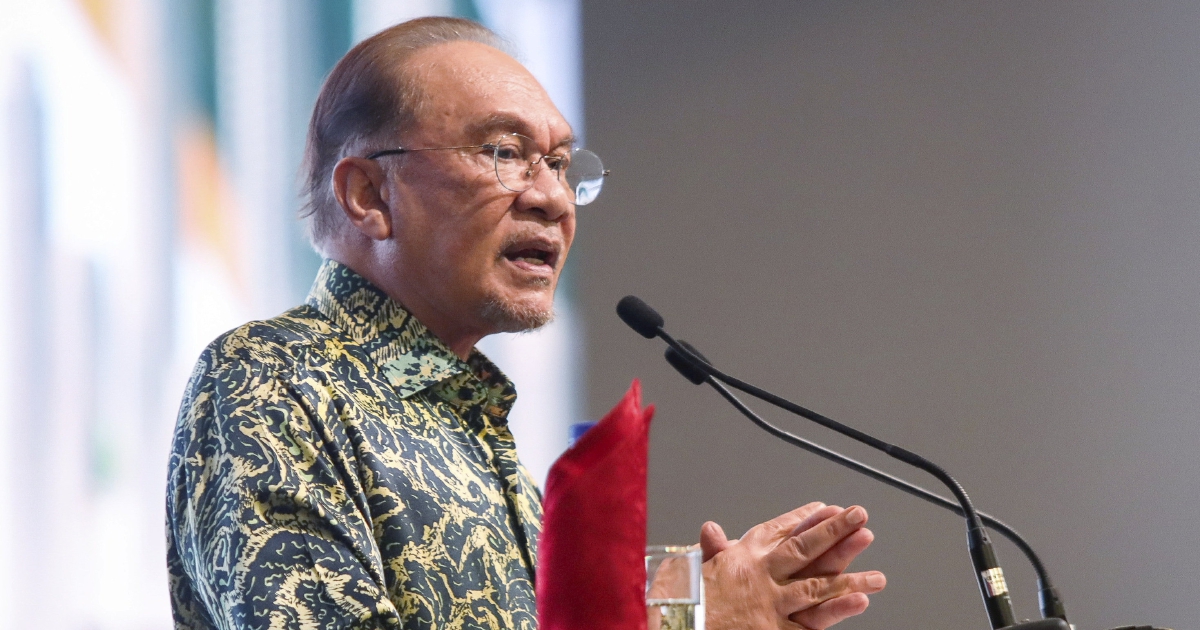
Malaysia's return to the international motorsport spotlight appears increasingly feasible, with Prime Minister Datuk Seri Anwar Ibrahim announcing that the country needs just RM16 million to refurbish the Sepang International Circuit for Formula One competition. The surprisingly modest investment figure suggests that major infrastructure at the circuit remains fundamentally sound, requiring only targeted upgrades rather than comprehensive overhaul before hosting the prestigious racing championship once again.
The Sepang International Circuit, located in Selangor, hosted the Malaysian Grand Prix annually from 1999 until 2017, establishing itself as a cornerstone fixture on the Formula One calendar for nearly two decades. During that period, the facility earned recognition for its modern design, technical configuration, and capacity to accommodate the sport's demanding specifications and massive global audience. The track's long absence from the Formula One schedule represents a significant gap in Malaysia's international sporting profile and revenue-generating opportunities through tourism and associated economic activity.
Anwar's disclosure regarding the preparation costs carries substantial weight given the frequent misconceptions surrounding the infrastructure investments required for Formula One hosting. Many observers initially assumed that bringing Sepang back into competitive condition would demand expenditures in the hundreds of millions of ringgit, particularly given the sport's escalating technical standards and safety requirements that have evolved considerably since the circuit last hosted international competition. The reality that targeted improvements sufficing for billions of ringgit in potential economic benefits suggests strong underlying asset value at the facility.
The financial assessment reflects confidence within Malaysia's motorsport governance structures regarding the circuit's foundational integrity and existing capabilities. Modern Formula One racing demands sophisticated safety systems, drainage infrastructure, medical facilities, and telecommunications networks that meet exacting international standards. That these requirements can apparently be satisfied through RM16 million in targeted spending indicates that Sepang's original construction quality and subsequent maintenance have preserved essential systems and structures, minimizing the need for wholesale replacement or reconstruction.
For Southeast Asian stakeholders, Malaysia's potential Formula One return carries implications extending well beyond motorsport enthusiasm. The sport generates substantial direct and indirect economic benefits through tourism, hospitality, media rights, corporate sponsorship, and ancillary services concentrated during race weekends and extended preparation periods. Neighbouring countries including Thailand, Vietnam, and Singapore all recognize Formula One events as significant drivers of international visitor arrivals and prestige positioning within global entertainment hierarchies.
The investment profile also demonstrates how established international sporting facilities, properly maintained, retain capacity to compete for premium events without requiring prohibitively expensive reconstruction. This principle carries relevance across Southeast Asia, where numerous purpose-built sports venues built during previous decades face decisions about upgrade versus abandonment. Sepang's situation suggests that strategic, targeted modernization often proves more economically rational than wholesale replacement, particularly when underlying structural integrity has been preserved through consistent maintenance.
Formula One's commercial landscape has shifted considerably since Malaysia last hosted the championship, with Liberty Media's management introducing new revenue models emphasizing global broadcast reach and emerging market development. Malaysia's substantial and growing middle-class population, robust telecommunications infrastructure, and established motorsport traditions position the country as an attractive market for the sport's expansion ambitions in Southeast Asia. A Malaysian Grand Prix would provide Formula One with direct access to over thirty million domestic viewers plus regional populations across Southeast Asia numbering well over one hundred million.
The timing of Anwar's announcement also reflects Malaysia's broader positioning strategy within international sporting competitions. Having successfully bid for and hosted major events including the AFC Asian Cup football tournament, various Commonwealth Games sports, and significant badminton championships, Malaysia has established credibility as a capable host nation capable of delivering world-class sporting experiences. Formula One represents the apex of motorsport prestige, and securing its return would consolidate Malaysia's standing within the global sports hosting hierarchy.
Local stakeholders including the Sepang International Circuit management, Malaysian automotive industry representatives, and regional hospitality providers have expressed sustained interest in Formula One's restoration to the national sporting calendar. The relatively modest investment required removes a significant barrier to advancing negotiations with Formula One Management regarding race scheduling and hosting agreements. These discussions typically span eighteen to twenty-four months before actual event execution, allowing adequate time for preparation activities and market positioning campaigns targeting international visitor arrivals.
The broader economic multiplier effects of Formula One hosting extend throughout Malaysia's tourism, hospitality, and service sectors, generating employment across hotels, restaurants, transportation services, retail operations, and entertainment venues concentrated within Greater Kuala Lumpur and surrounding regions. International media presence during race weekends provides sustained global publicity for Malaysia as a travel destination, sports infrastructure hub, and emerging Asian economy, generating marketing value substantially exceeding direct event revenues.
From a competitive standpoint, Malaysia's circuit must meet contemporary Formula One technical specifications regarding run-off areas, barriers, drainage systems, medical facilities, and telecommunications infrastructure. These requirements have intensified since 2017 as the sport has emphasized driver safety through wider tracks, more sophisticated crash containment systems, and improved emergency response capabilities. The RM16 million estimate suggests these updates can be implemented cost-effectively, perhaps indicating plans for selective upgrades rather than comprehensive circuit reconstruction.
Financial viability remains essential for Sepang's long-term sustainability as an international racing venue. Formula One hosting revenues, combined with secondary events including motorcycle racing, other automobile championships, and corporate entertainment functions, generate sufficient commercial activity to justify operational expenses and facility maintenance. Malaysia's regulatory framework supporting motorsport promotion and international event hosting has generally enabled facility operators to access supporting government investments when strategic national interests align with facility development objectives.

