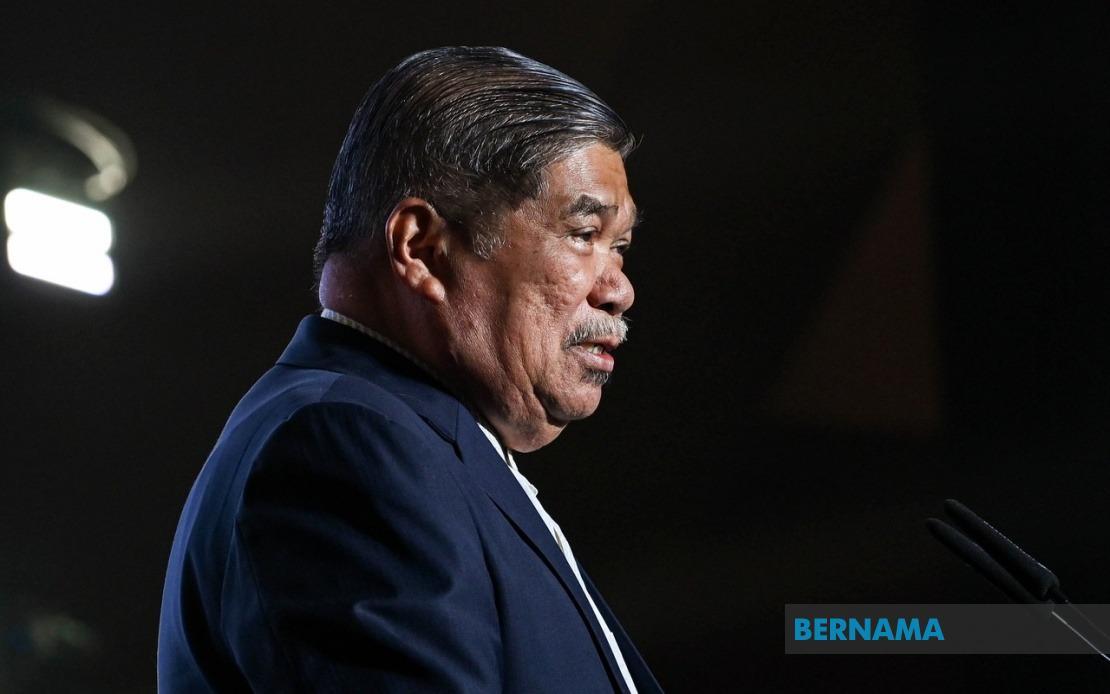
Malaysia's government is poised to announce a resolution to protracted trade tensions with Thailand by the end of July, according to Agriculture and Food Security Minister Datuk Seri Mohamad Sabu. The breakthrough would address a raft of agricultural disputes that have strained bilateral commerce, most notably Thailand's ban on Malaysian shrimp exports that has remained in effect since 2017—a restriction that has cost Malaysian producers hundreds of millions of ringgit over nearly a decade.
Modhad Sabu disclosed the timeline while addressing delegates at the Global Animal Production and Veterinary Industry Summit in Putrajaya, noting that recent visits by Thai agricultural officials to Malaysia had accelerated the negotiation process. He characterised the current phase as the fastest the two countries have managed to progress towards resolving such disputes, suggesting that political will and diplomatic engagement have shifted into higher gear compared with previous attempts.
The negotiations encompass multiple grievances accumulated between the two regional trading partners. Thailand's 2017 shrimp import ban remains the most economically consequential, severely limiting Malaysia's access to one of its largest agricultural export markets. Concurrently, Malaysia has been pressing for market access for its livestock products to Thailand—a formal application that has languished since 2024 without resolution. The bilateral friction extends further: Thailand imposed its own ban on shrimp imports into Malaysia beginning June 1, and has tightened inspections on Malaysian seabass shipments, creating additional compliance burdens for exporters.
These trade barriers reflect broader regulatory and safety concerns that both nations invoke to justify their restrictions. For Malaysia, the convergence of multiple trade disputes threatens the livelihoods of fishing communities and agricultural enterprises, particularly in states like Kedah and Perlis where aquaculture and livestock farming form critical economic pillars. The psychological burden on these industries has been substantial, as producers face uncertainty about market access and struggle to diversify their customer base beyond Thailand despite its geographical proximity and established supply chains.
The Mohamad Sabu announcement assumes added significance given Malaysia's broader economic positioning in Southeast Asia. Thailand ranks as a major regional competitor in agricultural exports and a crucial market for Malaysian producers. The restoration of normal trade relations would signal that bilateral tensions—occasionally inflamed by fishing disputes in shared maritime zones—need not permanently damage commercial relationships. For Malaysian exporters already grappling with inflationary pressures and global supply chain volatility, reopening the Thai market could provide critical revenue stabilisation.
Thailand's regulatory stance has historically stemmed from food safety protocols and environmental concerns regarding aquaculture practices. Malaysian producers argue that their compliance standards have improved substantially, and that continued blanket bans constitute disproportionate protectionism. The Thai inspections and restrictions on Malaysian products have been interpreted by some Malaysian industry analysts as motivated partly by domestic political considerations, as Thai agricultural constituencies advocate for protecting local markets from foreign competition.
The Global Animal Production and Veterinary Industry Summit where Mohamad Sabu made his announcement assembled over 100 presenters, with 51 international experts from China, Australia, the United Kingdom, Indonesia and Vietnam. This multilateral framework underscores how agricultural trade issues have become increasingly interconnected across the region. Malaysian policymakers recognise that resolving Thailand tensions requires engaging with broader supply chain architecture and international standards-setting bodies that influence agricultural commerce throughout Asia.
The imminent resolution proposal must navigate complex technical requirements. Both nations maintain different food safety inspection protocols and certification standards. Any agreement likely involves Malaysian producers implementing Thai-specified testing procedures and documentation requirements, potentially raising compliance costs but ultimately unlocking market access. Thai authorities have reportedly satisfied themselves that Malaysian inspection regimes have reached acceptable thresholds—hence the visits by Thai Ministry of Agriculture officials to assess local conditions directly.
From a Malaysian perspective, this breakthrough carries domestic political weight. Agricultural constituencies in opposition-held or marginal states wield considerable electoral influence. Delivering tangible trade victories, particularly restoring shrimp export access, strengthens the federal government's credibility in rural regions. The timing, with announcements expected before August, allows sufficient political window for government claims of accomplishment heading into the second half of the parliamentary year.
Regionally, the Malaysia-Thailand trade normalisation signals that Southeast Asian economies remain committed to resolving bilateral irritants through negotiation rather than escalation. This sets a constructive precedent as other countries in ASEAN navigate their own agricultural trade frictions and maritime boundary complexities. The resolution also demonstrates that protectionist measures, while politically tempting for policymakers facing domestic lobbying pressure, eventually yield to dialogue when economic interests align sufficiently.
The agricultural sector now awaits formal confirmation of the negotiation outcomes. Industry groups representing shrimp farmers, livestock producers and traders have expressed cautious optimism, though they remain circumspect about any announcement until official details emerge. What remains uncertain is the scope of concessions each side will make and whether residual import restrictions will be partially maintained as compromise positions.

