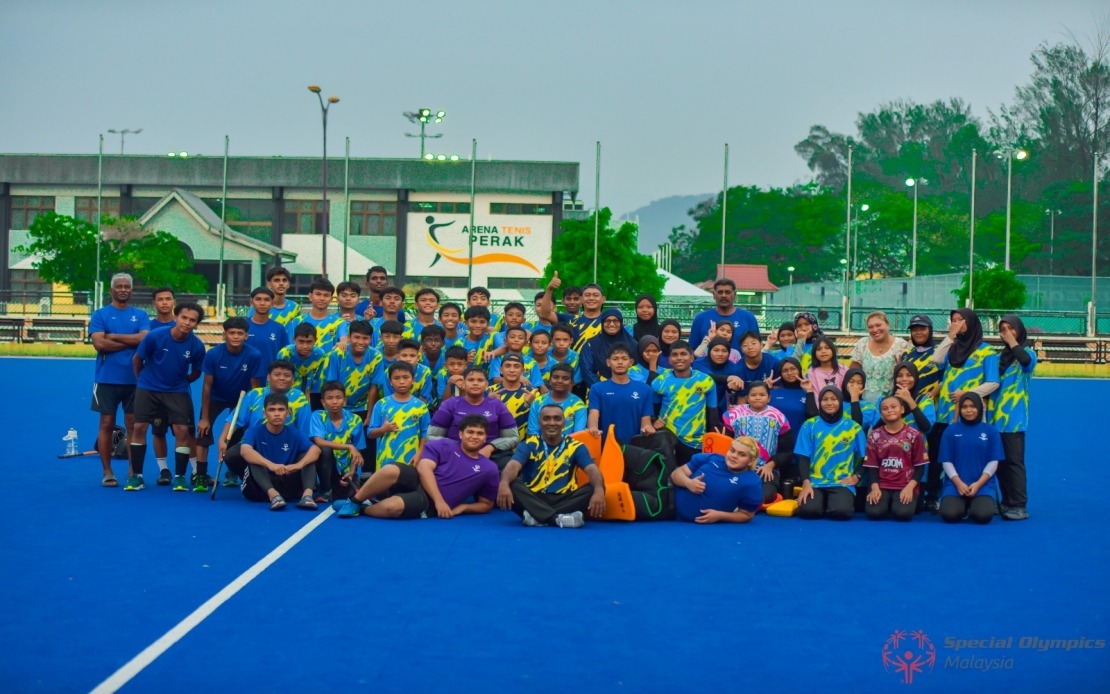
Malaysia is poised to compete in the inaugural FIH Para Hockey ID World Cup 2026, marking a significant milestone for the country's para sports programme. The 10-member mixed-gender delegation will travel to Belgium and the Netherlands for the tournament, scheduled to run from August 20 to 25, representing both a competitive opportunity and a platform to establish Malaysia's credentials in international para hockey. Shanker Retinam, assistant head of delegation for the Malaysian contingent, outlined the team's composition and preparation strategy during an announcement in Ipoh.
The selected squad comprises six men and four women, all chosen through a rigorous vetting process that commenced in December 2025. Retinam emphasised that player selection was determined by demonstrated performance across training sessions, sustained commitment to the preparation programme, and adherence to disciplinary standards. This methodical approach reflects the Malaysian team's intent to arrive in Europe as a cohesive, well-prepared unit capable of competing at the highest para hockey levels.
Preparation for this inaugural World Cup has been centred in Ipoh, where selected athletes have participated in monthly centralised training camps. These sessions represent an intensive investment by Malaysia's para sports establishment to ensure competitive readiness. The geographical concentration of training facilities in Perak has allowed coaching staff to maintain consistent oversight of athlete development and ensure uniform standards across the squad. The monthly format provided players with regular competition simulations and skill refinement opportunities ahead of the global tournament.
The 2026 World Cup carries particular prestige because it will operate as part of a larger hockey festival in Europe. Both the Men's and Women's senior Hockey World Cups will be held simultaneously at shared venues throughout Belgium and the Netherlands, creating unprecedented visibility for the para hockey event. This tri-tournament structure means the FIH Para Hockey ID World Cup will occupy premium international attention and media coverage, providing Malaysian athletes with exposure on a scale rarely afforded to intellectual disability sports in the region.
Malaysia's participation draws significance from the level of global competition it will encounter. The tournament will assemble the 16 highest-ranked para hockey teams worldwide, with Malaysia positioned in Pool B. The group features established hockey nations including the Netherlands and England, alongside competitive sides from Argentina, Spain, India, Chile and Bulgaria. This challenging pool composition ensures that Malaysia's opening fixture against Bulgaria will serve as a genuine test against world-class opposition.
The logistics of the Malaysian delegation reflect the seriousness with which the national sports programme approaches this opportunity. The team is scheduled to depart for Europe on August 17, providing adequate time for acclimatisation and final tactical preparations before competition commences. The departure itself carries ceremonial weight, with Sultan Nazrin Shah, the Sultan of Perak, set to officiate at a flag-handover ceremony at the Royal Perak Golf Club. This royal involvement underscores the national importance attached to Malaysia's participation in this inaugural tournament.
The intellectual disability category represents a crucial segment of the Paralympic and para sports movement, historically receiving less mainstream attention than other disability classifications. Malaysia's entry into this World Cup signals the country's broadening commitment to inclusive sports development. Para hockey in the intellectual disability category demands athletes possess specific cognitive and physical capabilities, making team selection a nuanced process requiring assessment of both playing ability and intellectual suitability for this specialised competition format.
From a regional perspective, Malaysia's participation contributes to Southeast Asian representation in elite para sports. The presence of India in the same pool indicates broader Asian engagement with para hockey development. For Malaysian athletes, competing in the same tournament venues as elite senior hockey nations creates psychological and inspirational value, demonstrating that intellectual disability does not preclude participation in high-level, internationally-sanctioned sport. This symbolic importance extends beyond medals or wins, helping to shift public perception of para athletes' capabilities and competitive legitimacy.
The tournament's timing in August 2026 allows Malaysia to capitalise on momentum from recent para sports initiatives while building towards future Paralympic and World Championship cycles. Success in this inaugural event could establish para hockey as a sustainable programme within Malaysia's sports infrastructure, potentially attracting increased investment, sponsorship and athlete recruitment. The international exposure may also facilitate knowledge exchange with established para hockey nations, enhancing coaching expertise and training methodologies available within Malaysia.
Looking forward, the FIH Para Hockey ID World Cup positions Malaysia within a growing global para hockey community with expanding opportunities for competition and development. The intellectual disability category is steadily gaining prominence within the International Federation of Hockey, suggesting that success in 2026 could unlock pathways to subsequent World Cups and Paralympic consideration. For the athletes themselves, representing Malaysia on this stage represents validation of their sporting abilities and a chance to contribute meaningfully to national sporting pride.
The squad's preparation through centralised training reflects best international practice in para athlete development. By concentrating resources in Ipoh, Malaysian sporting authorities have created an environment where athletes can focus exclusively on competitive preparation whilst receiving consistent coaching and support. The selection criteria prioritising discipline and commitment signal that the Malaysian para sports establishment is building programmes based on professionalism and systematic development rather than ad-hoc participation.
Malaysia's inaugural World Cup appearance comes amid broader discussions within Southeast Asia regarding inclusive sports development and disability representation in international competition. This tournament will demonstrate whether Malaysia can establish itself as a serious contender in para hockey or whether the competition level significantly exceeds current domestic capabilities. Either outcome provides valuable learning that shapes para hockey's future development trajectory in the country, contributing to the maturation and professionalisation of Malaysia's participation in specialist Paralympic sports categories.

