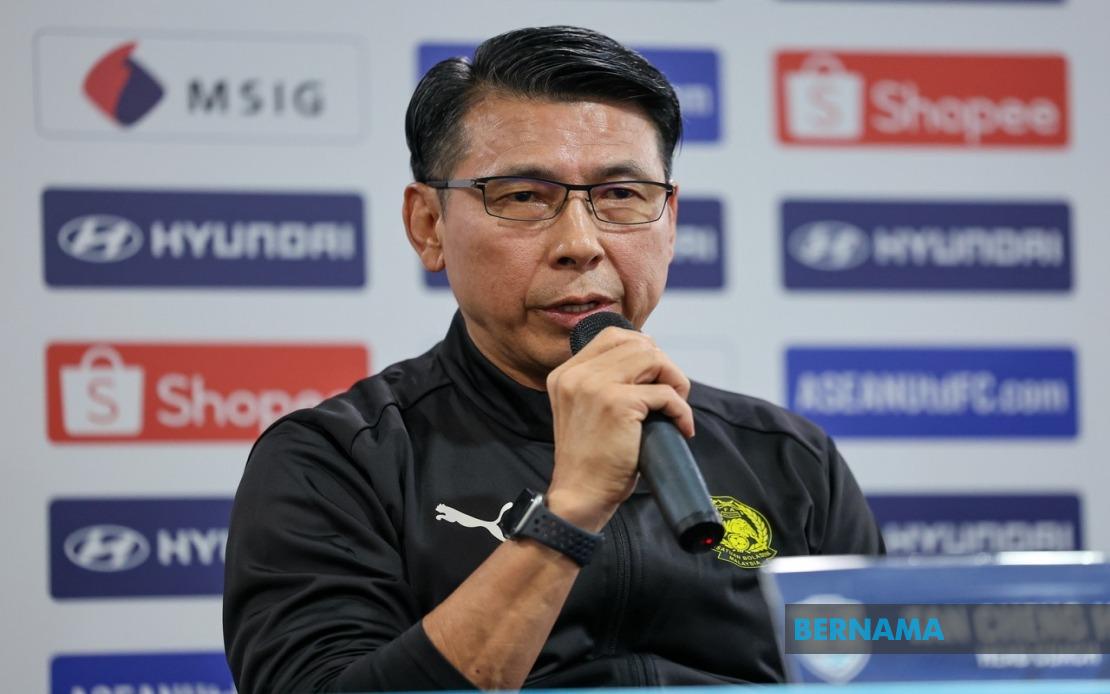
Malaysia's interim head coach Tan Cheng Hoe has sounded a warning to his Harimau Malaya squad ahead of their second Group B fixture at the ASEAN Cup 2026, urging caution against complacency when they face Laos tomorrow at the Kuala Lumpur Football Stadium in Cheras. The timing of this reminder comes just days after Malaysia's encouraging 2-1 opening victory over Myanmar, a result that has lifted expectations among supporters and created momentum heading into the tournament's early stages.
Despite the positive atmosphere surrounding the national team following their Myanmar triumph, Cheng Hoe has emphasised that Laos cannot be dismissed as easy opposition. The Laotian side, predominantly composed of players under 23 years old, suffered a heavy 5-0 setback against Thailand in their opening match, but the Malaysian coach views this as precisely the circumstance that could make them dangerous opponents. Teams seeking redemption often display heightened intensity and determination, and Cheng Hoe recognises that Laos will enter the stadium with everything to prove to their supporters and coaching staff.
The defensive vulnerabilities exposed by Thailand should not create false confidence within the Malaysian camp, according to the former Kedah and Selangor FC manager. After personally reviewing footage of Laos' performance, Cheng Hoe has identified their quick counter-attacking approach as a particular concern for Malaysia's defensive structure. He has instructed his players to maintain possession security in their own half, avoiding the careless turnovers that could provide the Laotian team with the space needed to exploit their pace advantage. Such defensive discipline, combined with clinical finishing at the other end of the pitch, will be essential for Malaysia to secure the positive result that Cheng Hoe believes remains the primary objective.
Reflecting on the Myanmar encounter, Cheng Hoe expressed satisfaction with how his team recovered from a difficult opening forty-five minutes to dominate the second half. The initial struggles against Myanmar suggested that some elements of Malaysia's tactical setup required adjustment, but the players' resilience and fighting spirit enabled them to turn the tide decisively. This comeback mentality, Cheng Hoe believes, demonstrates that the squad possesses the character and quality necessary to compete effectively throughout the tournament, provided they maintain focus and avoid complacency regardless of opposition strength.
Experienced campaigners within the squad have played a stabilising role in the team's performances. Forward Syafiq Ahmad has highlighted the importance of established international players such as Paulo Josue and Mohamadou Sumareh in providing guidance and setting professional standards for Malaysia's younger contingent. The presence of these seasoned performers creates a protective layer around emerging talents, allowing them to develop their game within a framework of tactical discipline and match intelligence that only comes through years of international football exposure.
Ahmad has also stressed that the playing group remains singularly focused on the immediate challenge posed by Laos and their coach Vladica Grujic, rather than allowing their minds to wander toward potential semi-final scenarios or broader tournament possibilities. This concentration on the present moment represents a mental discipline that distinguishes successful teams from those that underperform relative to their potential. By treating each group-stage fixture as a standalone competition requiring total commitment, Malaysia can systematically accumulate the points necessary to progress beyond the knockout hurdle.
The Group B standings currently see Malaysia occupying second position with three points, level with leaders Thailand but separated by goal difference following both teams' opening victories. The Philippines sit third with their first match still pending, while Myanmar and Laos remain pointless at the bottom of the group. This clustering of points at the summit underscores the competitive nature of Southeast Asian football at this level, where a single positive result can dramatically alter each team's tournament trajectory and qualification prospects.
Only the top two teams from each group will advance to the semi-finals, creating an unforgiving qualification format that leaves no margin for strategic experimentation or cautious approaches. For Malaysia, this structural reality means that the fixture against Laos carries genuine significance beyond what surface-level analysis might suggest. A draw or defeat, given Thailand's strength and the likelihood of Philippines gathering points in their remaining fixtures, could place Malaysia's knockout-stage participation in jeopardy regardless of their opening victory's promise.
The Kuala Lumpur Football Stadium provides Malaysia with home advantage, a factor that should amplify the team's attacking options and provide psychological comfort for a squad still in the early stages of building cohesion under Cheng Hoe's interim stewardship. However, home advantage has proven an unreliable guarantee in regional tournaments, particularly when teams take their opponents lightly or fail to adjust to specific tactical challenges. Cheng Hoe's pre-match caution suggests he understands this dynamic and is working deliberately to ensure his players approach Laos with the respect and intensity that tournament football demands.

