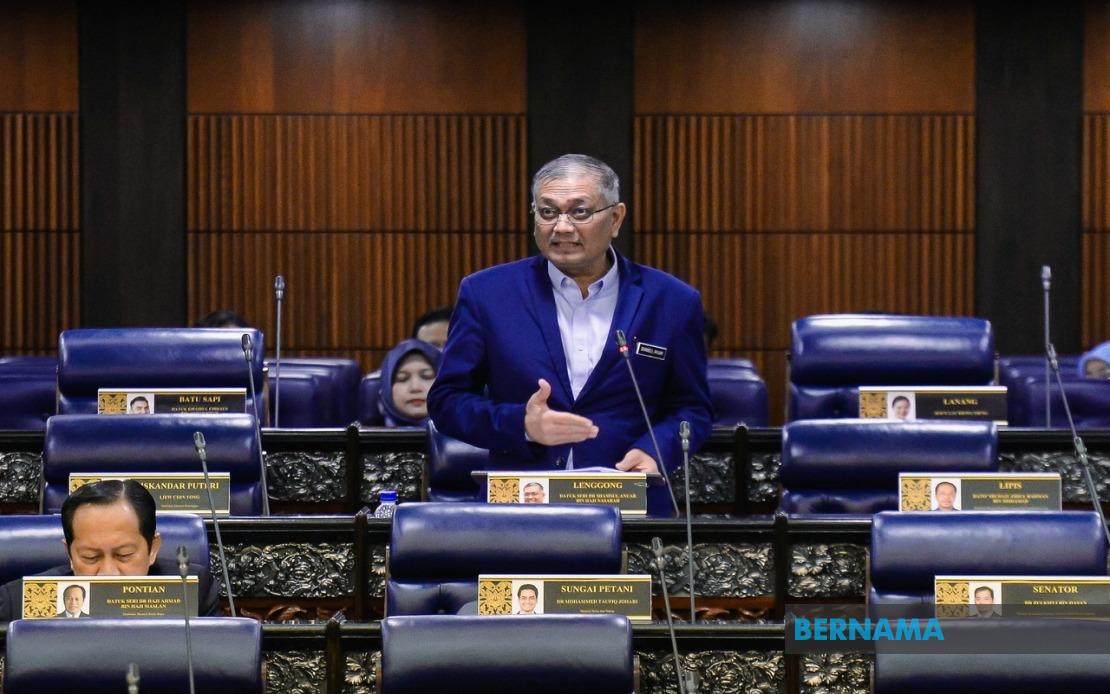
Malaysia has intensified its campaign against unlicensed cryptocurrency mining operations, seizing over 75,000 machines through more than 3,000 raids conducted between 2022 and May 2024. Deputy Home Minister Datuk Seri Dr Shamsul Anuar announced the figure while addressing Parliament, underscoring the scale of the enforcement challenge posed by the proliferation of illegal digital asset extraction activities across the nation. The coordinated operations have resulted in 629 arrests, reflecting a systematic approach to dismantling what authorities view as a significant threat to national infrastructure and energy security.
The enforcement effort represents collaboration between multiple government bodies and state-owned enterprises, with the Royal Malaysia Police working alongside Tenaga Nasional Berhad, municipal authorities, and other relevant agencies. This multi-agency framework reflects the complexity of combating cryptocurrency mining operations, which often require sophisticated coordination to identify and dismantle. The Home Ministry has adopted an evolving strategy that combines traditional enforcement with enhanced intelligence gathering and technological tools designed to pinpoint high-risk areas before launching operations, enabling faster response times and more targeted interventions.
Underlying the persistence of illegal mining activities is the substantial profit motive generated by volatile cryptocurrency markets and price fluctuations. The sector's attraction lies in the potential returns available to operators willing to circumvent regulations and incur legal risks. However, authorities emphasize that such financial incentives do not justify the associated violations, particularly the theft and diversion of electricity to reduce operational costs—a practice that imposes tangible economic losses on state utility providers and ultimately affects legitimate consumers through inflated tariffs.
The Malaysian government's regulatory framework distinguishes between cryptocurrency ownership and trading, which remain permitted activities, and mining operations, which operate in a legal gray zone subject to strict conditions. Mining becomes illegal when practitioners establish unauthorized electrical connections, tamper with metering equipment, disrupt power distribution infrastructure, or operate without appropriate licenses. This distinction reflects a nuanced policy position: while Malaysia has not outright banned cryptocurrency activities, it maintains firm requirements for compliance with existing energy, telecommunications, and business regulations.
Responsibility for cryptocurrency oversight is distributed across multiple regulatory bodies. The Securities Commission Malaysia exercises authority over digital assets under applicable legislation, establishing standards and monitoring market conduct. Simultaneously, Bank Negara Malaysia maintains jurisdiction over financial stability, payment systems architecture, and enforcement of anti-money laundering compliance measures. This divided supervisory structure seeks to address the multifaceted dimensions of cryptocurrency operations, from asset trading to financial crime risks, though coordination challenges remain.
The surge in illegal mining operations reflects global trends in digital asset adoption, but Malaysia's particular vulnerability stems from its relatively abundant and affordable electricity supply—a comparative advantage that attracts mining operations from jurisdictions with higher energy costs. Mining facilities, whether legal or otherwise, require enormous quantities of continuous power, making electricity cost a decisive factor in location decisions. The difference between authorized and unauthorized operations often hinges on whether operators pay market rates or circumvent the payment system through technical tampering and theft.
Energy theft associated with illegal mining has imposed measurable costs on TNB and distorted the utility company's financial performance. Beyond direct revenue losses, the practices create safety hazards by overloading circuits and generating fire risks in residential areas. Communities hosting undetected mining operations without their knowledge face elevated electricity prices and infrastructure degradation, while energy destined for legitimate industrial and household use is redirected to profitable cryptocurrency extraction.
The enforcement strategy's emphasis on intelligence-gathering and technological identification represents recognition that traditional policing methods alone prove insufficient. Mining operations, particularly smaller installations distributed across residential neighborhoods or industrial zones, can operate covertly if operators exercise operational discipline. By deploying data analytics and targeting likely hotspots, authorities aim to shift from reactive enforcement following complaints toward proactive identification and dismantling of networks before they achieve substantial scale.
Malaysia's approach aligns with global regulatory trends but reflects particular vulnerabilities and policy priorities. Unlike some Southeast Asian neighbors that have adopted outright prohibitions, Malaysia has chosen a middle path permitting cryptocurrency activities under regulatory oversight while aggressively prosecuting unlicensed operations that violate energy laws and safety codes. This calibrated stance acknowledges both legitimate cryptocurrency adoption and the urgent need to protect critical infrastructure and prevent energy theft that ultimately harms ordinary citizens through higher bills and reduced reliability.
Looking forward, the Home Ministry's emphasis on enhanced coordination and technology-driven enforcement suggests that seizure numbers may continue climbing as operational capabilities improve. However, the persistent recurrence of illegal mining operations indicates that seizures alone address symptoms rather than underlying causes. Addressing the profit incentives driving illegal mining requires complementary strategies such as tightening licensing requirements, improving electricity meter security, and enhancing penalties to increase the legal and financial risks of non-compliance beyond current levels.

