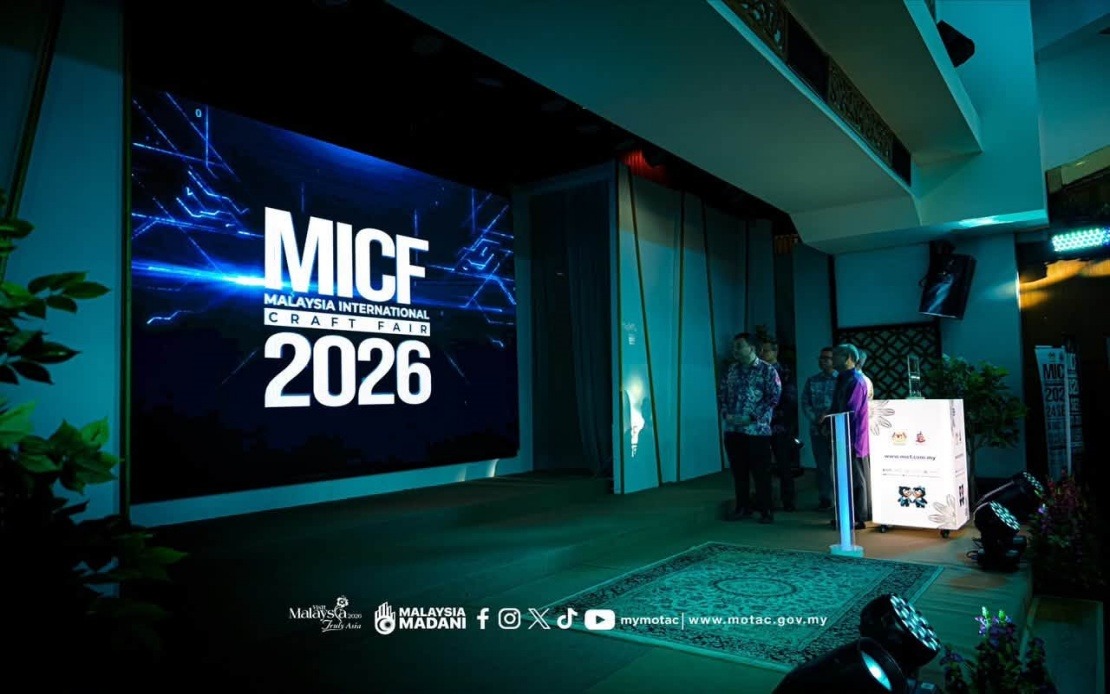
Organisers of the Malaysia International Craft Fair 2026 have announced an ambitious programme designed to position Kuala Lumpur as a regional hub for traditional and contemporary craft excellence. The event, running for 12 consecutive days from September 24 to October 5 at the Kuala Lumpur Craft Complex, aims to draw together 400 participants comprising 300 Malaysian artisans alongside 100 international craftspeople representing more than 20 nations. According to Kraftangan Malaysia, the fair's overarching objective extends beyond mere exhibition to facilitate genuine commercial and creative collaboration among participants.
The scale and scope of MICF 2026 reflects a deliberate strategy to enhance visibility for Malaysian craft traditions whilst creating tangible business opportunities. By combining local expertise with international participation, the fair intends to forge networking channels and establish strategic partnerships that could unlock new market access for both domestic and overseas artisans. This approach acknowledges the reality that traditional crafts in Southeast Asia often struggle to reach beyond local and regional markets without structured platforms for international engagement and knowledge exchange.
A particularly distinctive feature involves craft demonstrations from six participating nations, each showcasing distinctive artistic traditions. China will present jade carving techniques, whilst New Zealand's representatives will demonstrate Maori carving practices. Uzbekistan will focus on jewellery art, Sri Lanka will feature beeralu lace work, Indonesia will showcase leather art traditions, and India will display tarkashi brass inlay craftsmanship. These presentations provide Malaysian audiences with direct exposure to global craft methodologies and aesthetic philosophies, enriching understanding of how different cultures approach material transformation and artistic expression.
The Malaysian contingent will be equally represented through demonstrations by ten local craft masters and entrepreneurs. This pairing of international and domestic expertise creates opportunities for cross-cultural dialogue and potential technical knowledge transfer. Visitors attending the fair will gain firsthand perspective on the remarkable diversity of craftsmanship techniques practised globally, from ancient methods preserved through generations to contemporary interpretations of traditional arts. Such exposure can inspire local artisans to experiment with new approaches whilst potentially attracting international interest in Malaysian craft heritage.
Beyond craft demonstrations, MICF 2026 has been designed as a multifaceted cultural event rather than a straightforward marketplace. The programme encompasses craft exhibitions, interactive artistic expressions and exploration zones where visitors can engage with artisans directly. An International Craft Talk series will provide platforms for industry professionals to share insights regarding market trends, sustainable practices and cultural preservation. The inclusion of an International Fashion Showcase indicates organisers' intention to bridge traditional craftsmanship with contemporary design sectors, recognising that contemporary fashion increasingly incorporates artisanal elements and handcrafted components.
Cultural performances form another crucial component of the 12-day schedule, with strategic partners having contributed to organising traditional cooking demonstrations alongside other cultural activities. These elements transform the fair from purely commercial exercise into celebration of living heritage and contemporary cultural practice. The involvement of multiple partners suggests collaborative approach extending across government agencies, tourism bodies and private sector stakeholders, reflecting broader recognition that craft sectors merit sustained institutional support.
Operationally, the fair will maintain daily opening hours from 10 am to 10 pm, ensuring accessibility for both working professionals seeking business connections and casual visitors interested in cultural exploration. This extended schedule accommodates diverse participant needs and maximises foot traffic across the 12-day period. The Kuala Lumpur Craft Complex location provides established infrastructure specifically designed for craft-related activities, offering appropriate facilities for both artisan demonstrations and visitor engagement.
The pre-launch ceremony was officiated by Deputy Minister of Tourism, Arts and Culture Chiew Choon Man, signalling government-level commitment to the initiative. This official involvement indicates that MICF 2026 aligns with broader national strategies regarding cultural diplomacy and creative economy development. Malaysia has increasingly positioned itself as Southeast Asia's cultural destination, and such fairs contribute substantially to that positioning whilst generating tourism revenue and enhancing the country's international cultural profile.
For Malaysian artisans, particularly small-scale and traditional craftspeople, MICF 2026 represents significant opportunity to internationalise their practice and access markets beyond domestic consumption. The structured networking environment reduces barriers that typically prevent local craftspeople from establishing international commercial relationships. For foreign participants, the fair offers gateway to Southeast Asian markets whilst enabling cultural exchange with Malaysian and regional artisans. This mutual benefit model strengthens regional craft ecosystems and contributes to preservation of threatened traditional practices facing pressure from industrialised production.
The event also carries broader implications for Malaysia's cultural economy. Successful craft fairs generate sustained demand for artisan goods, supporting livelihoods dependent on traditional skills and encouraging younger generations to value heritage trades. Tourism generated by such events creates additional economic spillovers through hospitality, transportation and related services. Furthermore, international showcases of this scale enhance Malaysia's reputation as sophisticated cultural destination capable of hosting world-class creative events.
Looking forward, the success of MICF 2026 could establish template for regular international craft engagement. If the fair achieves its participation targets and generates substantive business outcomes, it may become permanent fixture in Malaysia's cultural calendar, attracting increasingly diverse international participation and expanding Malaysian craft sector visibility globally. The 2026 edition essentially functions as investment in long-term cultural and commercial infrastructure benefiting not merely participating artisans but the broader Southeast Asian creative economy.

