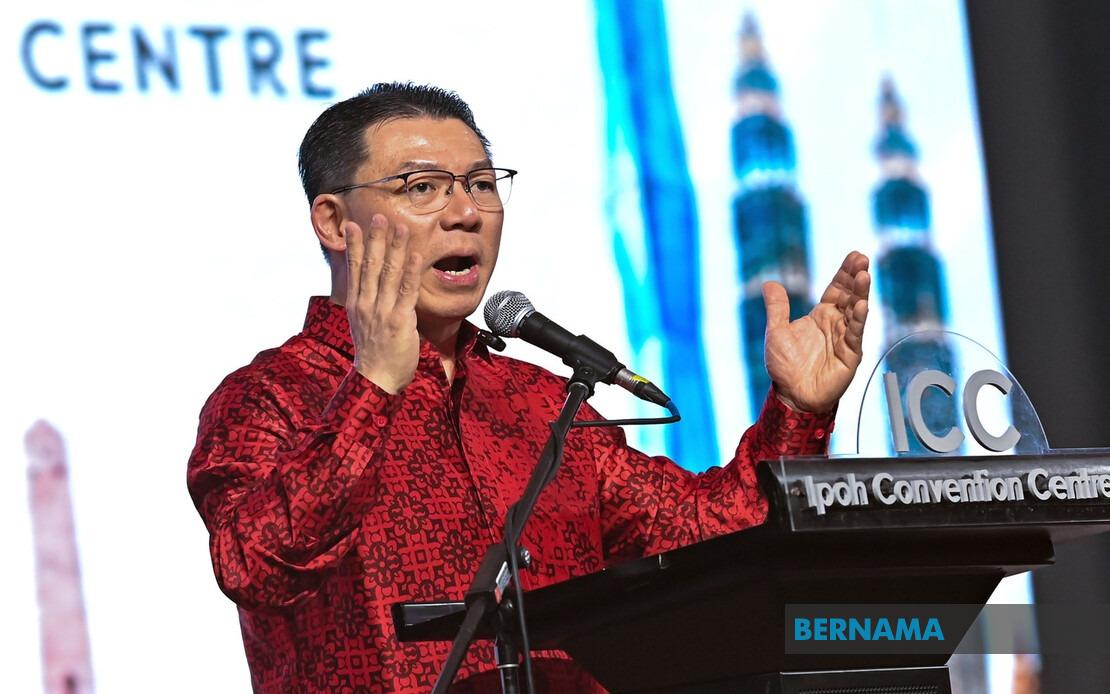
The Malaysian government has unveiled an ambitious programme to transform public spaces across the nation, setting them to international benchmarks while ensuring they serve the needs of local communities. Announced during the 2026 National Landscape Day Celebration in Melaka by Housing and Local Government Minister Nga Kor Ming, the MY Public Space initiative represents a collaborative effort between the Ministry's National Landscape Department and UN-Habitat, the United Nations agency focused on sustainable urban development. The initiative aims to ensure that every public space developed in Malaysia meets rigorous standards for quality, inclusivity, safety, and resilience while enhancing overall public wellbeing.
The initiative operates on four strategic pillars that together form a comprehensive framework for elevating Malaysia's public spaces. First, the government will establish a national recognition framework aligned with the Rosa Sinensis Award, providing benchmarks and incentives for excellence. Second, a MY Public Space Toolkit pilot project will be implemented to guide practitioners in public space design and management. Third, existing public space management practices will be strengthened across municipalities and local authorities. Finally, the toolkit will be mainstreamed into national landscape development guidelines and policies, ensuring consistency and quality across all development projects. This multi-layered approach indicates the government's commitment to institutionalising best practices rather than pursuing ad-hoc improvements.
The partnership with UN-Habitat carries particular significance for Malaysia's international standing. By aligning local initiatives with global standards, the collaboration positions Malaysia as a leader in sustainable and liveable urban development on the world stage. This partnership also supports Malaysia's role as President of the UN-Habitat Assembly, where the nation has committed to accelerating achievement of the Sustainable Development Goals through international cooperation. The timing of this announcement reflects Malaysia's broader diplomatic strategy to leverage development initiatives for soft power and regional influence.
Beyond the MY Public Space framework, the government has articulated an ambitious parallel target: developing 1,000 MADANI Parks nationwide by 2035. This represents a substantial commitment to ensuring equitable access to quality green spaces across urban and potentially semi-urban communities. The pace of implementation has already exceeded initial expectations. Between 2024 and 2025, the government successfully completed 217 MADANI Recreational Parks across the country, surpassing the baseline target of 100 parks annually. Of these, ten parks were established in Melaka, with additional developments planned for Ayer Keroh and Masjid Tanah during the current year. This acceleration suggests growing coordination and funding capacity among relevant government agencies and local authorities.
The expansion of public green spaces carries implications extending beyond mere aesthetics or recreation. Access to quality public parks directly influences public health outcomes, particularly in urban areas where private green space is limited. The initiative addresses documented disparities in park access across different communities and geographic regions. By targeting 1,000 parks over a decade, Malaysia is attempting to reduce these spatial inequities while responding to urbanisation pressures that have characterised the country's rapid economic development. The focus on inclusive design further suggests awareness of how poorly designed spaces can exclude elderly residents, persons with disabilities, and other marginalised groups.
Parallel to these development initiatives, the government has outlined an economic dimension to the landscaping sector. The national landscape industry is targeted to contribute up to RM40 billion to Malaysia's Gross Domestic Product by 2035, representing a significant expansion from current levels. In 2025 alone, Malaysia exported landscape products valued at RM534.3 million to diverse markets including Singapore, Japan, Australia, and the United States. These figures indicate both the current viability and considerable growth potential of the landscape industry as an export-oriented sector. For Malaysian companies and practitioners, these targets signal government commitment to supporting industry development through policy frameworks and infrastructure investment.
To support industry growth and competitiveness, the National Landscape Department is preparing the Malaysian Landscape Industry Blueprint, a comprehensive long-term strategic document. This blueprint will address several critical areas including workforce capacity building to ensure adequate skilled labour supply, coordination of industry standards to maintain quality consistency, investment in green technology innovation to enhance efficiency and sustainability, strengthening of the landscape value chain to improve profitability at all stages, and enhancement of local industry competitiveness in both domestic and international markets. The blueprint approach suggests recognition that piecemeal efforts insufficient to achieve the ambitious economic and developmental targets outlined.
The timing and scope of these initiatives reflect broader regional trends in urban development priorities. Across Southeast Asia, cities are grappling with rapid urbanisation, climate change impacts, and public health challenges that public space development can help address. Malaysia's approach, emphasising international standards while tailoring solutions to local contexts, potentially offers a model with regional applicability. The involvement of UN-Habitat provides technical expertise and international legitimacy, while the explicit focus on Malaysian aspirations and needs grounds the initiative in local reality.
For Malaysian communities, the practical implications of these initiatives are significant. Residents can anticipate improvements in their local environments through enhanced public spaces and increased park provision, particularly in areas currently underserved by green infrastructure. The emphasis on inclusive design suggests that facilities will be planned with input from diverse community members, potentially addressing longstanding complaints about accessibility and appropriateness of existing spaces. The quality standards aligned with international best practices mean that newly developed spaces should compare favourably with exemplary projects elsewhere in the region and globally.
The initiative also carries implications for Malaysia's sustainability commitments and climate resilience. Public spaces designed according to contemporary best practices typically incorporate climate adaptation features such as water management systems, urban cooling strategies, and biodiversity support. The explicit mention of resilience as a core goal suggests that the government is integrating climate considerations into public space planning. This aligns with Malaysia's broader sustainability agenda and international climate commitments, even as economic development drives continued urbanisation.
The coordination required to deliver on these ambitious targets will test Malaysian governance capacity. Developing 1,000 parks, establishing national standards, strengthening industry practices, and supporting economic growth simultaneously demands sustained funding, effective inter-agency coordination, and consistent political commitment across multiple election cycles. The achievement of 217 parks in a single year provides some confidence, though sustaining and accelerating this pace over the next decade will require maintaining momentum through inevitable political transitions and budget pressures.
The MY Public Space initiative represents a notable shift toward treating public space development as a strategic priority rather than incidental urban amenity. By connecting public space improvement to economic development, international standing, community wellbeing, and sustainability objectives, the government has articulated a comprehensive vision for how these spaces can serve multiple functions. Whether implementation matches ambition will become clear through the coming years as the initiative unfolds across diverse municipalities with varying capacities and resources.

