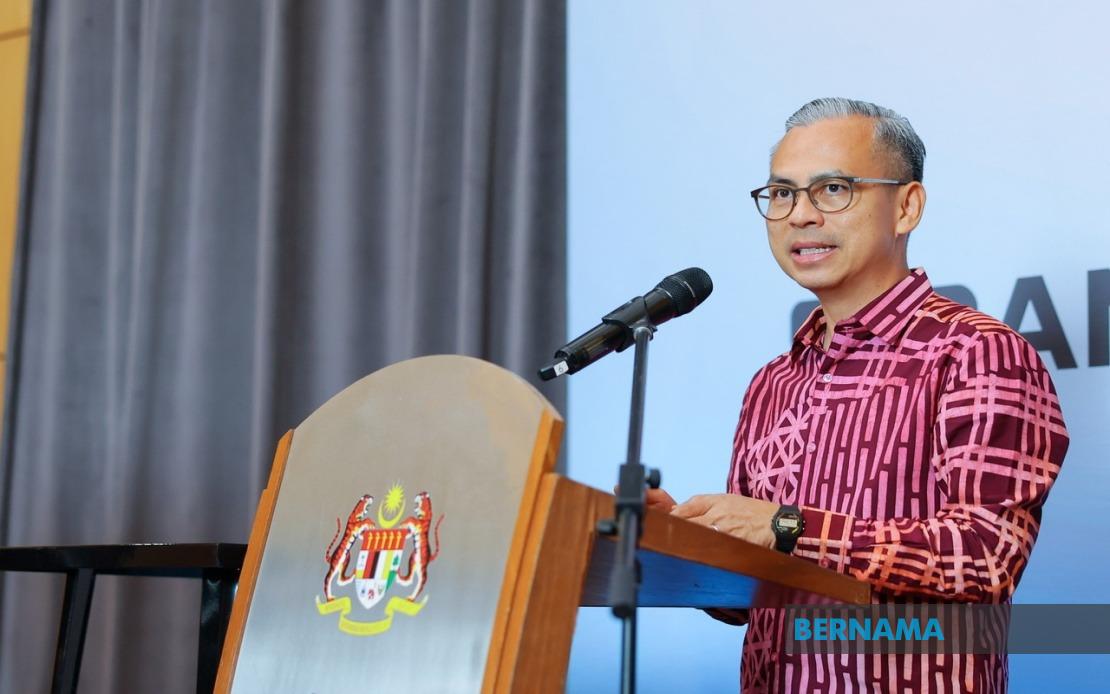
Malaysia has taken a comprehensive approach to countering the escalating threat of online fraud by establishing a special cross-agency working committee on June 18, according to Communications Minister Datuk Fahmi Fadzil. The initiative emerged from discussions during a Cabinet retreat that highlighted growing concerns about digital scams affecting Malaysian citizens, prompting the government to coordinate a unified response across multiple sectors and institutions.
The formation of this dedicated committee signals a strategic shift in how the government addresses cyber-enabled crime, moving beyond isolated agency responses to a collaborative framework. Fahmi, speaking as MADANI Government spokesman, emphasized that this represents the first time the private sector has been directly integrated into such efforts, with banking institutions, telecommunications companies, and major digital platforms now sitting alongside traditional law enforcement and government agencies. This partnership approach acknowledges that combating sophisticated online fraud requires expertise and data access that extends beyond government control.
The government's decision to involve financial institutions reflects the reality that scammers increasingly exploit banking channels and payment systems to launder proceeds and transfer stolen funds. Telecommunications companies bring critical capabilities in tracking communications patterns and identifying networks used by fraudsters, while social media and technology platforms can remove malicious content, identify coordinated inauthentic behaviour, and assist with account compromises. Together, these partners create a more complete intelligence picture than government agencies could achieve independently.
Fahmi outlined that the committee's mandate spans enforcement, legislation, and investigation—three pillars that historically operated in silos. By creating a unified body addressing all three simultaneously, the government hopes to eliminate gaps that scammers exploited. Enhanced enforcement means faster police and regulatory responses; legislative updates ensure laws keep pace with evolving fraud tactics; and improved investigation techniques leverage modern forensics and digital tools. This holistic approach suggests the government recognizes that online fraud has outpaced traditional criminal frameworks.
The strategy draws from the government's earlier success using cross-agency coordination to tackle child sexual abuse material online, a parallel that underscores how serious officials view the scam epidemic. That initiative produced demonstrable results through several specialized operations, providing a proven blueprint for the current effort. The government's confidence in replicating this model suggests internal assessments show coordinated, multi-sector approaches yield faster prosecutions and stronger preventive outcomes than fragmented responses.
Transparency about specific countermeasures remains deliberately limited, a decision Fahmi defended by noting that publicly disclosing strategies could alert criminal networks and render interventions less effective. This calculated opacity—revealing the committee's existence and general approach while protecting operational details—balances public accountability with operational security. It reflects a mature understanding that scammers actively monitor government announcements to adapt their methods.
For Malaysian digital users, the committee's formation carries both immediate and longer-term implications. Near-term benefits may include accelerated takedowns of fraudulent accounts, faster asset recovery through banking channels, and improved customer protection protocols. Longer-term, the committee may produce legislative reforms addressing gaps in cybercrime law, standardized victim support mechanisms, and enhanced financial literacy campaigns targeting vulnerable populations including elderly citizens and recent digital immigrants.
The involvement of major social media platforms marks a significant evolution in Malaysia's governance approach to tech regulation. Rather than adversarial regulation, the government is engaging platforms as partners with mutual interests in platform safety. This collaboration model, increasingly common globally, recognizes that platforms benefit from reduced fraud and abuse, creating aligned incentives. However, it also raises questions about transparency and whether commercial interests might sometimes diverge from public protection.
Regionally, Malaysia's initiative reflects broader Southeast Asian concerns about organized cybercrime syndicates operating across borders. Online scams targeting citizens across multiple nations often involve call centers and money laundering operations located in the region, necessitating responses that integrate intelligence from neighbouring countries. The committee's potential to gather comprehensive fraud data may position Malaysia as a regional leader in understanding scam operations and patterns, valuable information for cooperation with ASEAN partners.
The timing of this announcement comes amid sustained public frustration with rising scam reports, particularly investment and romance fraud targeting middle-class Malaysians. Police statistics have shown year-on-year increases in reported cases, with losses running into hundreds of millions of ringgit annually. Public complaints have mounted on social media and in parliamentary questions, creating political pressure for visible government action. The committee represents both a substantive policy response and acknowledgment of public concern.
Implementing this committee effectively requires substantial coordination investments and cultural shifts within institutions accustomed to operating independently. Success metrics remain undefined in public statements, but likely include reduction in scam-related complaints, faster victim asset recovery, prosecutions of major fraud networks, and platform metrics showing fewer fraudulent accounts. The first committee meeting, promised to occur soon, will test whether diverse institutions can align priorities and share sensitive information effectively.
Ultimately, the committee's effectiveness will determine whether Malaysia can bend the curve on online fraud or merely create another bureaucratic layer. The integration of private sector expertise and data access offers genuine promise, yet coordination challenges across government, finance, and technology sectors remain substantial. Citizens and businesses watching this initiative closely will gauge whether coordinated action succeeds where fragmented responses have largely failed.

