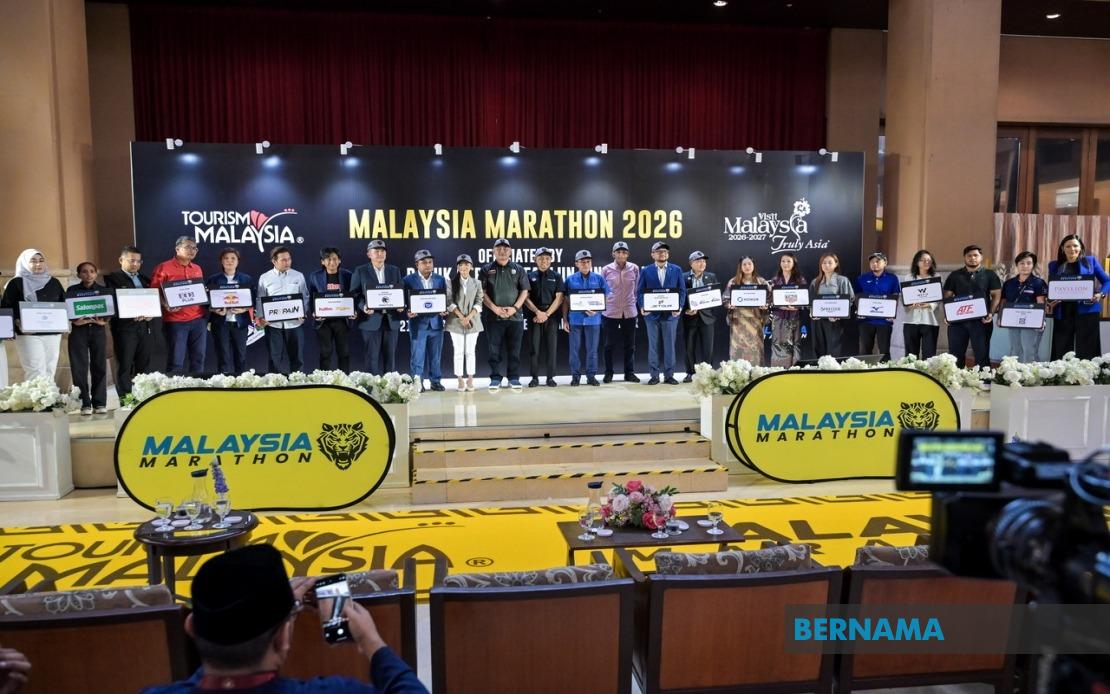
Malaysia is set to host its inaugural national marathon on August 30, 2026, with organisers dangling a substantial RM50,000 incentive for any local runner capable of shattering existing national records across the 21-kilometre and full 42-kilometre distances. The monetary reward represents a strategic move by event leadership to elevate competitive standards and attract Malaysia's most accomplished distance runners to the starting line, signalling the country's growing ambitions within the international athletics calendar.
Eddy Casmady, president of the Malaysia Marathon organising committee, revealed the prize structure as part of a broader vision to energise elite participation during the event's maiden edition. Speaking at the official launch ceremony in Kuala Lumpur, Casmady explained that the financial incentive serves a dual purpose: rewarding excellence whilst simultaneously cultivating a culture of athletic achievement among Malaysian competitors. By exclusively offering this bonus to national record-breakers, the organisers have created a compelling focal point for domestic elite athletes, distinguishing Malaysia Marathon from conventional regional running events that typically emphasise mass participation over elite performance.
The inaugural event will draw approximately 25,000 competitors across multiple distance categories, reflecting Malaysia's expanding engagement with organised distance running. The breakdown comprises 2,000 participants in the flagship 42-kilometre full marathon, 8,000 in the half-marathon distance, 5,000 in the 10-kilometre category, and a further 10,000 participants in the recreational 5-kilometre run. This tiered structure accommodates both serious athletes and casual runners, democratising access to what promises to become an anchor event in Southeast Asia's annual sporting calendar.
Internationally, the marathon has already demonstrated significant drawing power, with over 2,300 foreign competitors registering for participation. This contingent includes established elite athletes from Japan and Nigeria, underscoring growing regional recognition of the event's potential. The presence of international-calibre competitors serves multiple strategic objectives: it elevates the competitive intensity that domestic runners encounter, provides benchmarking opportunities for Malaysian athletes, and enhances the event's prestige within global athletics networks.
Recognition from World Athletics, the sport's international governing body, adds considerable legitimacy to the enterprise. The race route underwent rigorous measurement protocols and certification procedures, resulting in formal World Athletics accreditation. This certification is crucial for ensuring that any records established during the marathon are recognised within official athletics frameworks, guaranteeing that Malaysian record-breakers gain international validation for their achievements. Such official standing positions Malaysia Marathon as a credible platform for legitimate competitive performance rather than a local exhibition.
The physical route itself presents formidable challenges that will test competitor endurance and tactical acumen. The marathon commences at Pavilion Kuala Lumpur and traverses through significant portions of the capital's urban landscape before concluding near KLCC. Along this trajectory, runners confront particularly demanding terrain characterised by steep elevation changes, notably a 900-metre climbing section that ascends approximately the equivalent of a 30-storey building. The route's passage through two major highways adds logistical complexity whilst exposing participants to the environmental realities of urban marathon running in Malaysia's tropical climate.
These topographical demands carry significant implications for record-setting prospects. The combination of elevation gain, heat exposure, and urban infrastructure creates conditions notably different from relatively flat course records established elsewhere. Runners targeting the RM50,000 prizes must develop strategies specifically calibrated to Malaysia's environmental and geographical conditions, potentially favoring competitors with prior exposure to tropical altitude training and hill-work conditioning. Conversely, these challenging conditions may inadvertently protect existing national records from being easily surpassed, making any achievement more genuinely reflective of athletic excellence.
The integration of novel elements demonstrates the organisers' commitment to creating memorable spectacle beyond traditional marathon formats. Most notably, the HONOR humanoid robot will participate in the 10-kilometre event, transforming a purely athletic competition into a broader statement about technology, innovation, and humanity's evolving relationship with automation. This symbolic gesture aligns Malaysia's sporting initiatives with its broader positioning as a technology-forward nation, creating compelling visual narratives for international media coverage and social media engagement.
For Malaysian athletics more broadly, the event represents a significant institutional investment in distance running infrastructure and profile-building. Historically, Malaysian runners have achieved modest international success in marathon and half-marathon categories, often overshadowed by regional competitors from East Africa and elsewhere. By establishing a high-profile national marathon with substantial prize inducements, the country signals serious commitment to developing domestic running talent pipelines and creating competitive environments where elite performers can flourish. The RM50,000 record bonus specifically targets this aspiration, translating institutional support into tangible financial rewards.
The timing on August 30 presents both advantages and challenges. Malaysia's weather patterns during late August typically feature heavy monsoonal rainfall and elevated humidity—conditions that demand careful preparation from participants. However, scheduling during this period potentially deters casual tourists from disrupting local participation rates, concentrating the event's appeal among serious competitors willing to embrace challenging conditions.
Regionally, Malaysia Marathon joins an emerging constellation of prestigious distance running events throughout Southeast Asia, each attracting international participation and media attention. As Thailand, Vietnam, and Indonesia expand their marathon portfolios, Malaysia's inaugural event enters an increasingly competitive landscape. The RM50,000 record incentive positions the nation distinctively, offering financial inducements that rival or exceed neighbouring countries' offerings and potentially establishing precedent-setting standards for regional event competitiveness.
Looking forward, the success of Malaysia Marathon 2026 will depend considerably on operational execution, athlete satisfaction, and record-setting narratives that emerge from the August 30 race. Should Malaysian athletes break existing national records, the RM50,000 payouts will generate compelling domestic sports headlines whilst validating the organisers' strategic vision. Conversely, even without records falling, the event's international recognition, substantial scale, and technological innovations position it as a genuine contribution to Malaysia's sporting ecosystem and Southeast Asia's athletics advancement.

