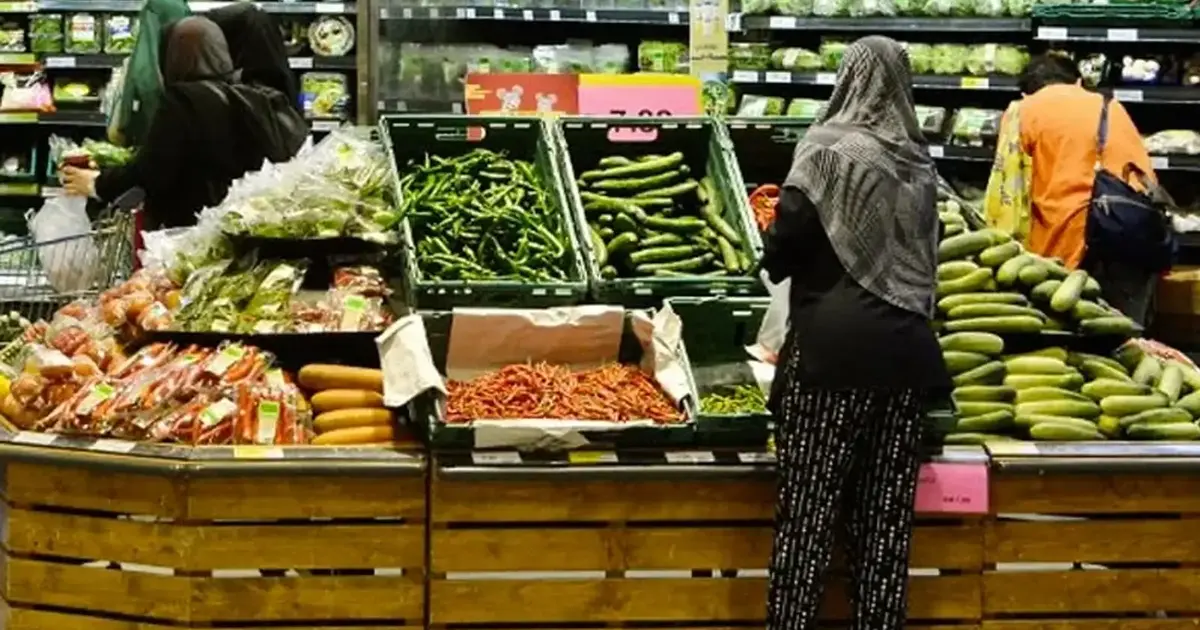
Deputy Prime Minister Ahmad Zahid Hamidi has signalled the government's willingness to broaden the scope of the SARA assistance programme by incorporating fresh vegetables and fruits, a move aimed at easing the financial burden households face when purchasing essential food items. The proposal represents a significant expansion of the existing framework, which currently provides targeted support across multiple domains to shield lower-income Malaysians from sustained inflation pressures.
The scheme, known formally as the Semakan Bantuan Rakyat (SARA) programme, has functioned as one of the federal government's principal tools for direct household assistance. By expanding its reach to encompass fresh produce, policymakers would be addressing a critical component of the food basket that disproportionately affects family budgets. Fresh vegetables and fruits, while nutritionally essential, have experienced notable price fluctuations, particularly during seasonal disruptions and supply chain disruptions that have become increasingly frequent across Southeast Asia.
Ahmad Zahid indicated that the expanded proposal will be formally submitted to the National Action Council on Cost of Living for detailed evaluation and approval. This council serves as the government's coordinating body for initiatives designed to combat inflationary pressures and safeguard household purchasing power. The decision to channel this proposal through such a dedicated institutional mechanism underscores the seriousness with which the administration is treating the matter and suggests that any expansion would involve careful cost-benefit analysis and fiscal planning.
The timing of this proposal reflects broader economic conditions affecting Malaysian households. Food inflation has remained a persistent concern for policymakers and consumers alike, with fresh produce categories proving particularly volatile. Unlike staple commodities such as rice or cooking oil, which already enjoy subsidization or price controls, vegetables and fruits lack comparable protective mechanisms despite their importance in a balanced diet. This gap in existing support structures has likely prompted official consideration of targeted assistance for produce purchases.
For lower-income households, the ability to afford fresh vegetables and fruits often represents a marginal decision within already stretched budgets. Many families make difficult trade-offs between nutrition and affordability, sometimes reducing fresh produce consumption in favour of more affordable processed foods. An extension of SARA assistance to this category could theoretically improve nutritional outcomes while simultaneously reducing out-of-pocket expenses for vulnerable populations.
The proposal also carries implications for Malaysia's agricultural sector and domestic food production systems. If subsidies or price support mechanisms are introduced for fresh produce, they would influence market dynamics, potentially affecting farmer revenues, retail margins, and supply chains. Policymakers would need to design such measures carefully to ensure they genuinely reach consumers while maintaining adequate incentives for producers and distributors to maintain supply levels.
From a Southeast Asian perspective, Malaysia's approach to managing food inflation through targeted assistance programmes offers a model that other regional governments are also exploring. Countries across ASEAN face similar pressures regarding household food security, and the mechanisms developed here may inform policy discussions elsewhere in the region. The emphasis on direct assistance rather than universal subsidies reflects contemporary thinking about fiscal sustainability and targeting efficiency.
The National Action Council's consideration of this proposal will likely involve consultations with multiple stakeholders, including representatives from agriculture, retail, consumer affairs, and finance. Any expansion would need to account for implementation challenges, such as defining eligible produce categories, establishing price reference points, and determining the scope and scale of assistance. Previous subsidy and assistance programmes have occasionally encountered logistical difficulties, so planners would presumably draw lessons from such experiences.
Financial implications remain central to the decision-making process. Expanding SARA to encompass fresh produce would increase government expenditure on the programme unless offsets were identified elsewhere. Given Malaysia's fiscal position and medium-term budget constraints, policymakers must weigh the benefits of expanded assistance against other budgetary priorities. The cost of providing meaningful support for produce across the entire eligible population could be substantial, potentially exceeding the resources available for programme expansion.
The proposal also reflects a policy recognition that cost-of-living challenges extend beyond a few commodity categories. While rice, cooking oil, and petrol have traditionally received the most policy attention, the actual household shopping basket encompasses a much broader range of items. Fresh vegetables and fruits represent precisely the type of commonly purchased items where accumulated price increases create cumulative burdens for family finances over the course of a month or year.
Stakeholder responses from both the business community and consumer advocacy groups will likely shape how the proposal develops within government deliberations. Agricultural associations may welcome measures that support demand, while retailers might express concerns about margin pressures or administrative complexity. Consumer groups would presumably advocate for swift implementation that genuinely benefits those facing the greatest affordability challenges.
The outcome of the National Action Council's review will signal whether the government views produce subsidization as fiscally feasible and strategically worthwhile. If approved, implementation timelines and specific design details would become critical factors in determining whether the measure achieves its intended objectives of reducing household food costs and improving access to nutritious fresh produce across Malaysian society.

