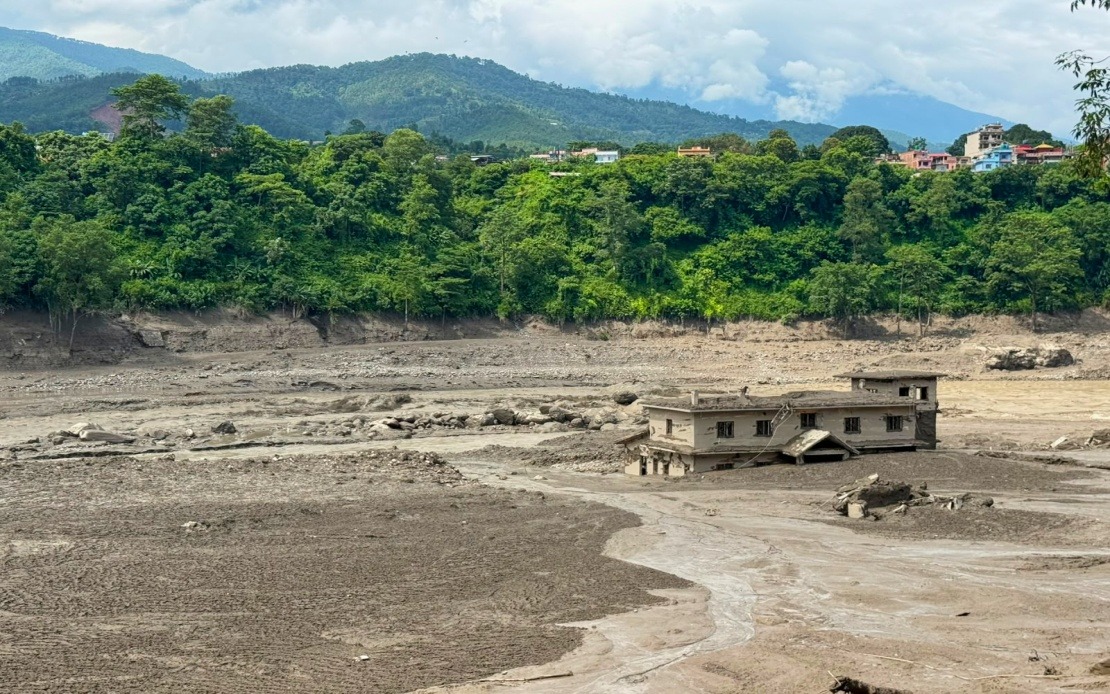
Prime Minister Datuk Seri Anwar Ibrahim has expressed deep concern following devastating flash floods that struck Rasuwa district in Nepal, with the Malaysian government launching an urgent coordinated effort to locate 54 citizens who have lost contact with authorities. The disaster, triggered by torrential rainfall and glacier-induced landslides along the Bhote Koshi River, has created a complex humanitarian challenge in a remote region already hampered by damaged infrastructure and severed communication lines.
The Malaysian Embassy in Kathmandu is coordinating directly with Nepalese authorities to establish the whereabouts and condition of the unaccounted Malaysians. In a significant escalation of response mechanisms, the government has also activated personnel from the Malaysian High Commission in Dhaka, Bangladesh, to supplement ground-level coordination efforts. This multi-embassy approach reflects the seriousness with which the Prime Minister's office is treating the situation, recognising that conventional diplomatic channels alone may prove insufficient given the scale of disruption caused by the natural disaster.
Through a Facebook post, Anwar stressed that his administration remains deeply committed to prioritising the safety and welfare of all affected nationals. The MADANI Government, working through the Foreign Ministry, intends to maintain continuous surveillance of developments as they unfold whilst standing ready to marshal whatever resources prove necessary. This assurance addresses concerns among Malaysian families anxiously awaiting news of missing relatives, signalling that official channels remain actively engaged rather than adopting a passive monitoring stance.
The geographical and logistical complications surrounding the disaster underscore why locating the missing Malaysians presents particular difficulties. The Bhote Koshi River, which forms part of the Nepal-Tibet border region, flows through terrain that is inherently challenging during optimal conditions. However, yesterday's catastrophe rendered the situation exponentially more difficult—the main highway connecting Rasuwa district to Kathmandu has been severed, while telecommunications infrastructure has collapsed, effectively isolating survivors and hampering rescue coordination. These barriers mean traditional methods of contact verification cannot proceed, forcing authorities to rely on ground teams and whatever communication infrastructure remains operational.
The Malaysian government's decision to deploy resources from Bangladesh suggests a recognition that the crisis demands flexibility in deployment strategies. By positioning additional personnel in the region, Kuala Lumpur increases its capacity to respond rapidly to emerging information, conduct verification activities, and potentially assist with evacuation logistics should opportunities arise. This proactive positioning reflects hard-learned lessons from previous regional disasters that have taught Southeast Asian governments the value of pre-positioned diplomatic and administrative capacity during emergencies.
For Malaysian citizens and their families, the uncertainty creates considerable anxiety. The inability to establish contact with 54 individuals represents a substantial cohort—large enough that the disaster commands national attention, yet limited enough that names and details may not yet have circulated publicly. The delay in verification stems partly from the communication blackout affecting the region, making it impossible for individuals themselves to initiate outreach to embassies or family members. Authorities must therefore rely on survivor testimonies, hospital admissions records, and information voluntarily provided by Nepalese officials navigating their own vastly larger humanitarian crisis.
The broader Southeast Asian context adds layers to Malaysia's response. As a nation whose citizens frequently travel to Nepal for tourism, pilgrimage, and adventure activities, the disaster highlights vulnerabilities in how Malaysians abroad manage risk in regions prone to natural hazards. The Rasuwa district has become increasingly popular among trekkers and mountaineers from the region, making it statistically likely that a significant portion of missing Malaysians were engaged in tourism-related activities when the floods occurred. This reality underscores the importance of robust diplomatic infrastructure capable of rapid activation during crises affecting remote areas.
The Prime Minister's public acknowledgment of the situation serves multiple purposes beyond the immediate humanitarian response. By personally commenting through a widely-followed social media platform, Anwar signals to the international community that Malaysia takes the welfare of its citizens abroad seriously whilst demonstrating to domestic audiences that the government remains responsive to crises even when they unfold outside national borders. The request for collective prayer, framed through Islamic terminology, acknowledges Malaysia's Muslim-majority character whilst appealing to common humanitarian instincts that transcend religious and cultural boundaries.
The government's coordination with Nepalese authorities remains critical, as Nepal itself faces an overwhelming humanitarian emergency. The death toll in Nepal from these floods has climbed steadily, with dozens confirmed dead and many more missing across multiple districts. Nepal's own rescue and medical capacity has been stretched thin, potentially limiting the speed at which Malaysian officials can access information or assist their nationals. This dependency on Nepalese institutional capacity represents a vulnerability that Malaysia, along with other nations with missing citizens, must navigate diplomatically whilst supporting Kathmandu's own emergency response.
Moving forward, Malaysian authorities face the twin challenges of locating missing nationals whilst simultaneously preparing consular support for those rescued or hospitalised. The Foreign Ministry will likely need to establish temporary holding and processing centres, arrange medical evacuation for seriously injured nationals, and coordinate with insurance providers and repatriation services. These logistical preparations, though less visible than the search operations themselves, prove equally essential to ensuring that identified Malaysians receive appropriate care and support during their evacuation and return to Malaysia.
The disaster also raises questions about travel advisory protocols and risk communication that Malaysia and other Southeast Asian nations might review. While Nepal remains a popular destination, ensuring that visitors understand hazard risks—particularly during monsoon seasons—could reduce exposure to preventable disasters. Simultaneously, the government's mobilised response demonstrates that when crises do occur, Malaysia possesses institutional mechanisms and diplomatic presence capable of responding with reasonable urgency, even in isolated and challenging environments.

