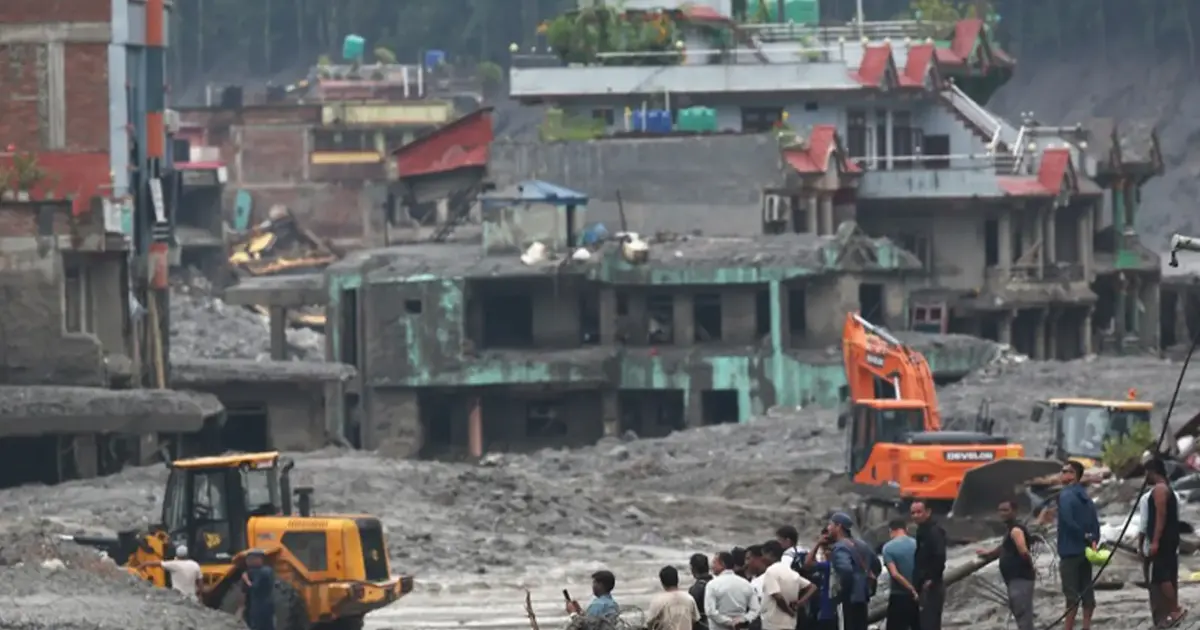
Prime Minister Anwar Ibrahim has announced that Malaysia will send its SMART (Search and Rescue Management Team) unit to Nepal, marking another instance of Malaysian humanitarian involvement in regional crisis situations. The deployment represents a concrete expression of Malaysia's commitment to providing immediate assistance during emergencies affecting neighbouring countries in South and Southeast Asia.
The decision comes after active coordination between Malaysian government officials and their counterparts in Nepal, who have jointly worked to establish the logistical framework necessary for a rapid deployment. According to the Prime Minister, discussions between the two nations have focused on streamlining bureaucratic procedures and identifying the most efficient pathway for the rescue team's arrival, with both governments prioritising speed without compromising operational readiness.
The SMART team represents one of Malaysia's most capable rapid-response assets, comprising trained personnel equipped with specialised search and rescue equipment designed for deployment in challenging environments. These units have been activated for previous regional emergencies and international humanitarian missions, building substantial expertise in coordinating rescue operations across different geographical and climatic conditions. The team's deployment to Nepal underscores Malaysia's positioning as a reliable responder within Asia's emergency management framework.
Nepal, positioned in the Himalayan region with challenging terrain and recurring natural disaster risks, has historically required swift international assistance during crises such as earthquakes, landslides, and monsoon-related emergencies. The nation's geographic vulnerability and infrastructure constraints mean that international partnership and technical expertise become invaluable during large-scale disasters. Malaysian involvement in Nepali emergency response reflects broader Southeast Asian solidarity principles and demonstrates the region's commitment to transcending purely bilateral relationships in favour of collective crisis management.
Malaysia's willingness to mobilise resources for international humanitarian purposes has strengthened the country's diplomatic standing throughout Asia. Participation in cross-border rescue operations builds institutional relationships between governments and security forces while generating goodwill that extends beyond the immediate crisis period. For Malaysia, such deployments also provide opportunities for its personnel to gain operational experience and refine protocols that benefit domestic emergency management capabilities.
The coordination between Kuala Lumpur and Kathmandu involves multiple government agencies working in parallel to address visa requirements, customs clearances, and security protocols necessary for international team movements. Prime Minister Anwar Ibrahim's direct involvement signals the political priority accorded to the mission and indicates that obstacles to deployment would receive high-level attention. This institutional commitment typically accelerates bureaucratic processes and ensures that diplomatic channels remain open throughout the operation.
Southeast Asian nations have increasingly recognised the importance of formalising disaster response mechanisms and maintaining networks of capable emergency personnel positioned throughout the region. Malaysia's SMART team serves as both a practical resource and a symbol of regional preparedness, contributing to broader frameworks that strengthen collective resilience against natural hazards and other crisis situations. The deployment framework being established between Malaysia and Nepal may establish protocols that facilitate future regional emergency coordination.
The timing of Malaysia's deployment reflects contemporary understandings of disaster response that emphasise immediate action within hours rather than days of an emergency declaration. Modern humanitarian assistance operates according to principles of rapid mobilisation, with trained teams maintained in readiness status and pre-positioned to respond on short notice. Malaysia's participation in this framework positions the nation as a reliable partner capable of delivering professional assistance when circumstances demand it.
For Malaysian policymakers, international humanitarian engagement serves multiple strategic purposes beyond immediate charitable considerations. Such operations demonstrate national capability, strengthen diplomatic relationships, build institutional capacity among government agencies, and contribute to Malaysia's broader regional role. Neighbours observing Malaysian responsiveness during emergencies develop confidence in the country's reliability and competence, factors that influence cooperation across other policy domains.
The deployment also reflects Malaysia's evolving security and defence posture, which increasingly encompasses civilian protection and humanitarian functions alongside traditional defence responsibilities. Modern security frameworks recognise that threats to national and regional stability encompass natural disasters alongside conventional security challenges, requiring integrated responses that mobilise multiple government capabilities. Malaysian security establishments have adapted accordingly, with SMART teams representing this integrated approach to comprehensive security provision.
Nepal's acceptance of Malaysian assistance demonstrates the cosmopolitan approach many South Asian nations now adopt regarding international emergency support. While historically some nations viewed foreign involvement in domestic crises with suspicion, contemporary thinking recognises that rapid international assistance saves lives and reduces suffering. Nepal's willingness to coordinate with Malaysia reflects pragmatic disaster management that transcends nationalist concerns when human welfare is at stake.
The broader significance of this deployment extends beyond the immediate operation to represent evolving patterns of Asian regional cooperation. Countries throughout the continent increasingly recognise that natural disasters and humanitarian emergencies transcend national borders and demand coordinated responses. Malaysia's contribution to this emerging architecture positions the nation as an active participant in constructing regional capacity for managing shared challenges. As climate change intensifies weather-related disasters throughout Asia, such cooperation frameworks will assume greater importance for collective survival and prosperity across the region.

