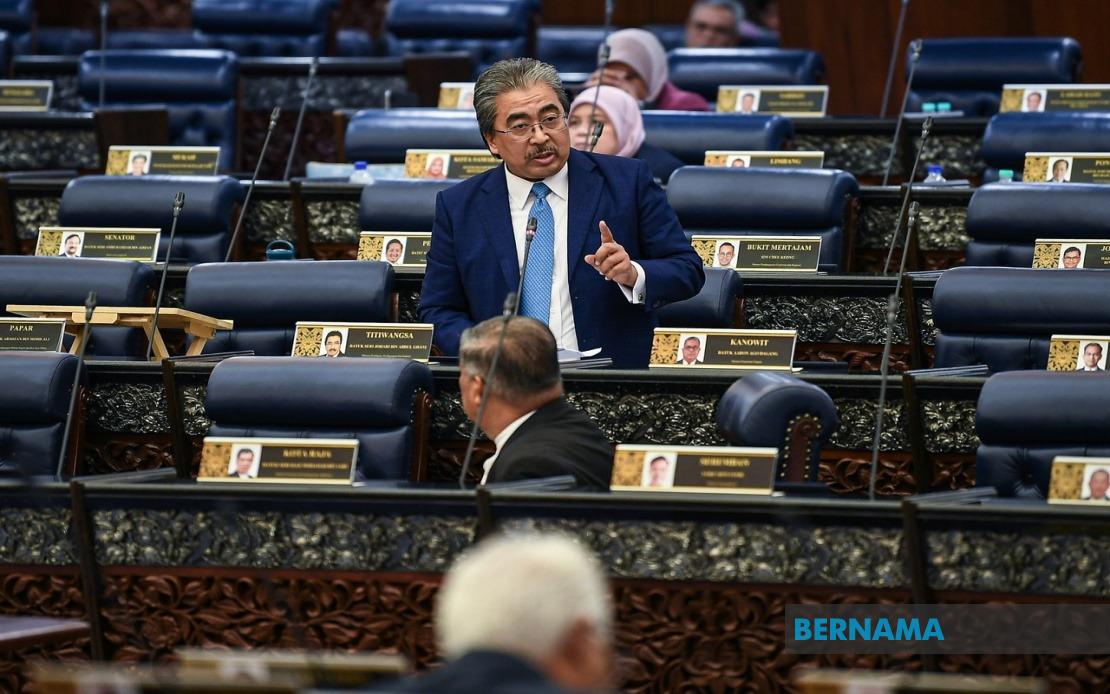
Malaysia is taking decisive action to prevent the entry of goods manufactured through forced labour by creating a comprehensive framework to screen and restrict such imports, said Investment, Trade and Industry Minister Datuk Seri Johari Abdul Ghani. The move comes as the country faces mounting pressure from major trading partners, particularly the United States, to enforce stricter controls over supply chain practices and labour standards. Johari announced the development during parliamentary questioning on June 23, underlining the government's commitment to upholding international labour rights standards and protecting Malaysia's reputation in global trade.
At the heart of this initiative sits the Inter-Agency Task Force on Forced Labour (IATFL), a coordinated governmental body chaired by Johari's ministry to design and implement the necessary regulatory framework. The composition of this task force reveals the complexity of the challenge, spanning multiple government departments with overlapping responsibilities in trade, law enforcement, customs, and labour affairs. Besides the Ministry of Investment, Trade and Industry, the task force includes representatives from the Ministry of Finance, Ministry of Foreign Affairs, Ministry of Home Affairs, Ministry of Human Resources, and Ministry of Transport, ensuring that the mechanism accounts for financial, diplomatic, security, and logistical considerations.
The operational implementation requires support from numerous specialised agencies operating across Malaysia's borders and trade channels. The Attorney-General's Chambers will provide legal expertise, while the Royal Malaysian Customs Department and Malaysian Border Control and Protection Agency will handle physical inspection and enforcement at entry points. The Royal Malaysian Police will assist with investigations into suspected violations, and the Malaysian Investment Development Authority and Malaysian External Trade Development Corporation will coordinate with businesses to ensure compliance and market communication. This multi-stakeholder approach reflects the recognition that effective enforcement requires seamless coordination across enforcement, intelligence, and commercial networks.
Currently, Malaysia operates without explicit statutory provisions prohibiting the importation of goods produced under forced labour conditions. This legal gap has exposed the country to international scrutiny and created vulnerabilities in Malaysia's trade relationships. The absence of specific legislation means that even when evidence of forced labour in supply chains emerges, Malaysian authorities lack a clear enforcement mechanism to reject shipments or penalise importers. The development of this mechanism addresses this critical deficiency and positions Malaysia as a responsible trading nation committed to ethical supply chain practices.
The urgency of this initiative has been heightened by scrutiny from the United States, which completed preliminary investigations into 60 countries regarding their enforcement of forced labour import restrictions. Malaysia found itself among 54 nations identified as lacking specific legal restrictions on goods made through forced labour, placing it in the category of countries requiring immediate remedial action. Six other nations were found to possess laws but failed to enforce them adequately, suggesting that Malaysia's approach must demonstrate both statutory clarity and robust implementation capacity.
The financial stakes are substantial. The United States has provided early warning of potential punitive tariffs targeting Malaysia, with an indicative rate of 10 per cent proposed to take effect after July 24. Such tariffs could significantly impact Malaysian exporters across multiple sectors, particularly electronics, textiles, and manufacturing industries that depend on US market access. The tariff threat serves as both a deadline and an incentive for the government to demonstrate tangible progress in developing and operationalising the forced labour screening mechanism.
Under the US Section 301 investigation framework, two separate inquiries are underway affecting Malaysia. The forced labour investigation is approaching completion, with the US having already signalled its intention to impose tariffs unless satisfactory action is demonstrated. A parallel investigation into market access issues continues, potentially creating additional compliance obligations and tariff scenarios. By moving swiftly on the forced labour mechanism, Malaysia attempts to mitigate at least one avenue of punitive tariffs while demonstrating good faith engagement with US trade policy objectives.
For Malaysian businesses and exporters, the implications are substantial. Companies engaged in importing raw materials, intermediate goods, or finished products must prepare for enhanced scrutiny of supplier practices and supply chain documentation. Importers will need to verify labour practices among their suppliers, potentially requiring audits, certifications, and supply chain mapping exercises. Failure to comply with the new mechanism could result in rejected shipments, administrative penalties, or reputational damage. Many Malaysian manufacturers already export to the United States and face their own compliance requirements under US law; the new domestic mechanism will essentially create a mirror framework domestically.
The timing aligns with broader global trends toward supply chain transparency and responsible business conduct. Major multinational corporations and institutional investors increasingly demand evidence that their suppliers adhere to labour standards and ethical practices. Malaysia's development of a forced labour import ban mechanism enhances the country's attractiveness as a reliable sourcing destination for companies committed to responsible procurement. Regional competitors such as Thailand, Vietnam, and Indonesia face similar pressures, making this a competitive landscape where regulatory sophistication becomes a market advantage.
Implementation challenges remain significant. Malaysian customs authorities and border officials will require training to identify potential forced labour indicators in goods declarations, invoices, and supply chain documentation. The government must establish clear criteria for what constitutes forced labour under the mechanism and develop procedures for investigating suspected violations. Information-sharing agreements may be necessary with US and other international authorities investigating labour practices. The IATFL must also balance enforcement with business facilitation, avoiding excessive delays that could disadvantage legitimate Malaysian trade flows.
For regional observers, Malaysia's response to the forced labour investigation sets a precedent for how Southeast Asian trading nations navigate increasing Western pressure on labour standards. The approach taken will influence how other ASEAN members respond to similar investigations and tariff threats. Malaysia's success or failure in implementing an effective mechanism could shape regional discussions about collective responses to externally-imposed labour compliance requirements.
The government's proactive stance also reflects recognition that international trade relationships are increasingly conditional on labour rights compliance. Beyond the immediate US tariff threat, major European and other markets are similarly tightening standards. By establishing this mechanism now, Malaysia positions itself ahead of potential future requirements rather than reacting defensively to crises. This forward-looking approach strengthens Malaysia's negotiating position and reinforces its commitment to international labour standards, benefits that extend far beyond the immediate forced labour investigation.