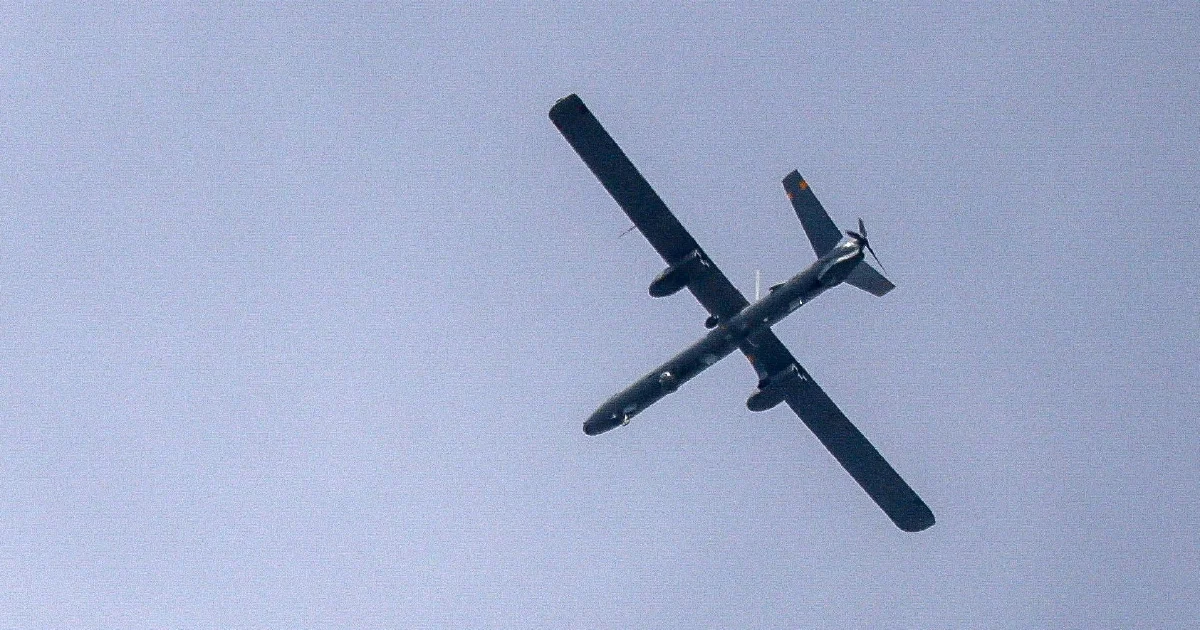
Prime Minister Datuk Seri Anwar Ibrahim has stressed the critical importance of accelerating Malaysia's engagement with emerging technologies, particularly unmanned aerial vehicles (UAV) or drones, as a strategic lever to reinforce the nation's position in the international economic landscape. Speaking in Sepang, he underscored that without deliberate and sustained efforts to embrace technological advancement, Malaysia risks falling further behind competing economies that are already investing heavily in these sectors.
The Prime Minister's remarks reflect a growing recognition within Malaysia's leadership that the country's traditional economic strengths—manufacturing, commodities, and finance—are insufficient to maintain competitive advantage in an era of rapid technological disruption. The drone industry represents a particularly promising opportunity, as it intersects multiple sectors including logistics, agriculture, surveying, emergency response, and defence, each offering substantial revenue potential and employment opportunities for a developing economy.
Malaysia's current position in the global drone market remains modest compared to established players like China, the United States, and European nations. However, the country's strategic location in Southeast Asia, its pool of engineering talent, and existing electronics manufacturing infrastructure provide a platform for meaningful growth. The regional demand for drone services is projected to expand significantly over the coming decade, particularly as ASEAN nations invest in digital agriculture, smart city infrastructure, and supply chain modernisation.
The government's push for technological adoption carries implications for multiple stakeholders. Domestic manufacturers and startups would benefit from supportive policies including tax incentives, research and development subsidies, and streamlined regulatory approval processes. Universities and technical institutes face pressure to align their curricula with industry needs, producing graduates equipped with expertise in aeronautical engineering, artificial intelligence, and systems integration rather than traditional disciplines.
Regulatory frameworks present both opportunity and challenge. Malaysia's Civil Aviation Authority must establish clear guidelines governing commercial drone operations, spectrum allocation, and safety standards that are neither so restrictive as to stifle innovation nor so permissive as to create safety hazards. Other nations have found that balanced regulations attract foreign investment while protecting domestic interests.
The regional context underscores the urgency of Anwar's message. Singapore has positioned itself as a drone technology hub with favourable regulations and government investment. Thailand and Vietnam are rapidly developing their aerospace and defence technology sectors. Indonesia, with its vast archipelago, sees drones as essential to logistics and maritime security. Malaysia risks being overtaken by neighbours if it does not prioritise strategic advancement in this field.
Private sector engagement will be essential. International drone manufacturers and technology companies should be encouraged to establish regional operations, manufacturing facilities, and research centres in Malaysia through targeted incentives. Partnerships between Malaysian firms and global leaders could accelerate knowledge transfer and capability building while creating immediate employment and foreign exchange earnings.
The agricultural sector offers particular promise for Malaysian drone adoption. The country's palm oil industry, while facing sustainability pressures, could leverage UAV technology for more efficient crop monitoring, pesticide application, and yield prediction. Smallholder farmers growing rice, rubber, and other commodities could access drone services through cooperative models, improving productivity without requiring individual ownership of expensive equipment.
Logistics and e-commerce applications present another growth avenue. As Malaysia's digital economy expands and last-mile delivery becomes increasingly competitive, drone delivery could revolutionise rural connectivity and reduce transport costs. Pilot projects in less densely populated areas could demonstrate feasibility before scaling to urban environments.
International partnerships and participation in global standards development are crucial components of any credible strategy. Malaysia should engage with international organisations setting drone technology standards, positioning local engineers and policymakers at the forefront of global conversations. This approach would enhance Malaysia's reputation as a technology-forward nation while ensuring domestic standards align with international best practices.
The investment requirements are substantial but manageable within Malaysia's fiscal capacity. Establishing centres of excellence at universities, creating dedicated technology parks with modern facilities, and funding venture capital initiatives for drone startups would require billions of ringgit over five to ten years. However, the potential economic returns through exports, new industries, and productivity gains justify the expenditure.
Anwar's emphasis on technological acceleration reflects not merely economic ambition but existential necessity. As global supply chains reconfigure and countries pursue self-sufficiency in strategic technologies, Malaysia must demonstrate capacity for innovation. The drone sector serves as both a practical opportunity and a symbolic commitment to becoming a technology-engaged rather than technology-dependent economy.
Successful implementation will demand coordination across government, industry, and education sectors, with clear milestones, accountability mechanisms, and adaptive strategies as the landscape evolves. Without such systematic attention, calls for acceleration risk remaining rhetorical rather than translating into tangible advancement.

