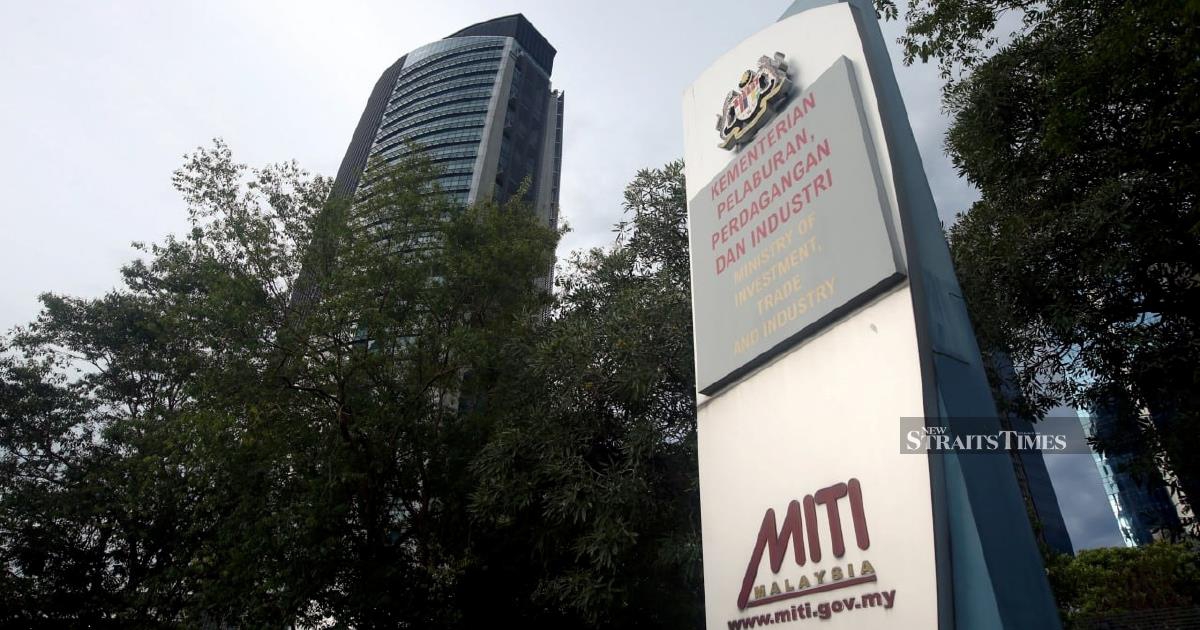
Malaysia has launched a formal anti-dumping investigation targeting coated steel imports from China, Chinese Taipei and Vietnam, according to an announcement from Kuala Lumpur. Concurrent with this new inquiry, Malaysian authorities are conducting an expiry review of current duties on prepainted steel coil shipments originating from China and Vietnam—a parallel process that signals heightened scrutiny of a critical industrial sector.
The timing of these overlapping investigations underscores growing concern within Malaysia's industrial policy establishment about the competitive pressures facing domestic steel manufacturers. Anti-dumping probes typically examine whether foreign suppliers are selling products below fair market value, thereby distorting local market conditions and undermining domestic producers' viability. The inclusion of three major regional sources—particularly China and Vietnam, which together dominate East Asian steel production—suggests Malaysian authorities view the threat as widespread rather than concentrated.
Coated steel products represent a crucial intermediate good across multiple Malaysian industries, including automotive, construction, appliances and packaging. The alleged dumping of these materials could artificially depress prices, benefiting downstream manufacturers and consumers in the short term but potentially eroding the investment incentives for local steelmakers to maintain production capacity and employment. This dynamic creates inherent tension between protecting domestic producers and enabling cost-efficient manufacturing for export-oriented sectors that depend on competitive input costs.
The expiry review process running parallel to the anti-dumping investigation reflects Malaysia's existing tariff regime. Previous duties on prepainted steel coil imports were presumably imposed following earlier findings of dumping or market disruption. Under international trade rules, such protective measures typically require periodic reassessment to determine whether conditions that justified their imposition persist. Malaysia's decision to review these measures now suggests the original duties may be approaching their scheduled expiration, triggering a mandatory evaluation of whether reimposition is warranted.
Chinese Taipei's inclusion alongside mainland China and Vietnam is particularly noteworthy, given that Taiwan has developed substantial steel manufacturing capabilities and export infrastructure. Its presence in the investigation indicates that Malaysian authorities view the dumping problem as transcending the mainland-Vietnam axis, suggesting structural overcapacity across multiple regional competitors rather than concentrated unfair practices by any single economy.
For Malaysian manufacturers reliant on imported coated steel—particularly in automotive and appliance sectors—these investigations introduce uncertainty into procurement planning and cost forecasting. Extended investigations can trigger provisional duties, forcing importers to post bonds or pay tariffs pending final determinations. Companies must maintain adequate inventory buffers or negotiate alternative sourcing arrangements, adding operational complexity and potentially elevating costs during the review period.
The steel sector globally has faced persistent oversupply challenges, particularly since China's 2015-2016 capacity rationalisation fell short of reducing output to levels matching demand. This imbalance continues driving competitive pricing across Asia, creating the conditions under which anti-dumping cases proliferate. Malaysia, with manufacturing-heavy economy integration into regional and global value chains, finds itself navigating these pressures while balancing protection of domestic producers against the cost competitiveness requirements of its own export sectors.
Southeast Asian governments have increasingly employed trade defence instruments in recent years, reflecting broader regional competition for market share. Malaysia's actions follow similar initiatives by other countries in managing steel trade flows, suggesting a regional trend toward greater protectionism in this strategic sector. However, such measures risk triggering retaliatory responses or contributing to broader trade tensions that could affect other Malaysian exports.
The domestic steel industry in Malaysia, while significant, operates at a smaller scale than competitors in China, Vietnam and India. Local producers have historically focused on specialty segments and niche markets rather than competing directly on volume with regional giants. An anti-dumping finding could provide breathing room for domestic steelmakers to invest and expand, though such protection must be balanced against the risk of reducing operational efficiency if sustained insulation from competition diminishes incentives for innovation and cost management.
The investigation's outcome will carry implications extending beyond steel alone. A determination of systematic dumping from multiple suppliers would validate the protective approach and potentially embolden other Malaysian industries to seek similar remedies. Conversely, findings that dumping is absent or minimal could signal that low prices reflect legitimate competitive factors, requiring Malaysian policymakers to recalibrate their approach to industrial competitiveness.

