Malaysia's government is moving to regularise the status of thousands of unlicensed fishermen operating along the country's coastlines by opening applications under a periodic regularisation scheme designed to distribute licences left vacant by operators who have exited the sector. The initiative, announced in Parliament, represents a pragmatic approach to formalising what has long been an informal segment of Southeast Asia's fishing industry, where many traditional operators have historically worked without proper regulatory oversight.
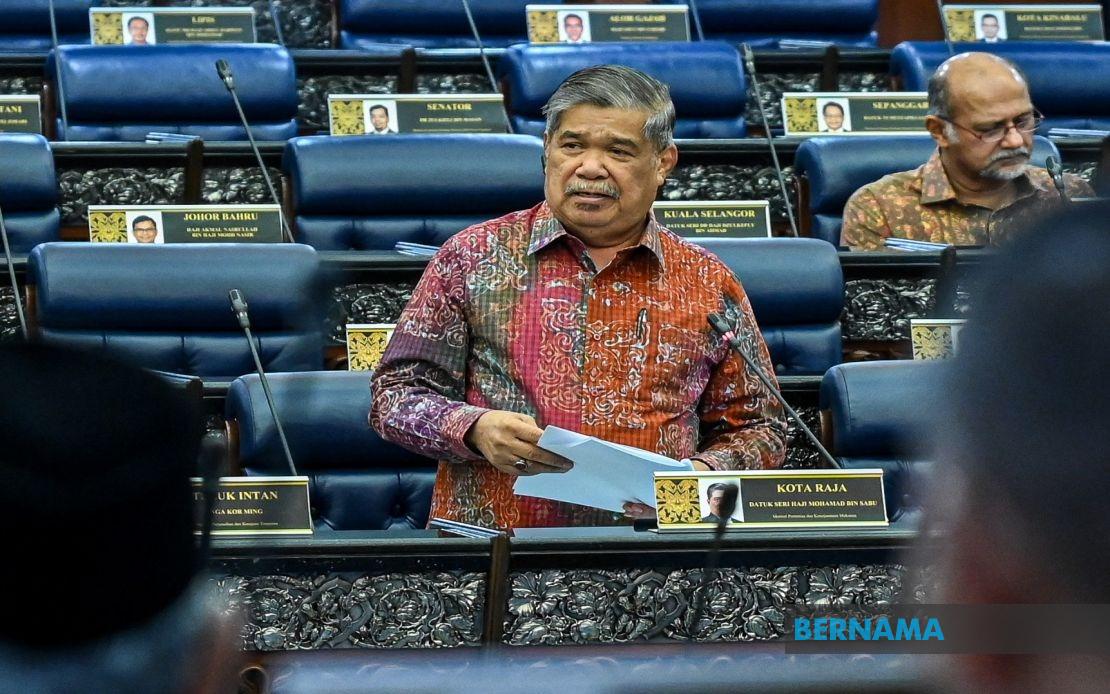
Agriculture and Food Security Minister Datuk Seri Mohamad Sabu outlined the framework during parliamentary proceedings, explaining that coastal fishermen can now apply for special boat licences through their local District Fisheries Offices. The move specifically targets Zone A operators—the smaller-scale, traditionally-oriented boat owners who form the backbone of Malaysia's artisanal fishing communities but have often lacked formal licensing. The application process operates within parameters established by the Fisheries Department (DOF) and is made available whenever cancelled licences create capacity within the regulatory framework.
The rationale underpinning this regularisation approach carries particular significance for Malaysia's fishing communities and resource management objectives. By transitioning unlicensed operators into the formal licensing system, the government aims to accomplish multiple policy objectives simultaneously: expanding legal fishing operations, improving compliance with fisheries regulations, and crucially, ensuring better stewardship of marine resources under sustained pressure from overfishing and environmental degradation. Fishermen who regularise their status gain eligibility for government assistance programmes—including subsidies, training initiatives, and financial support—that remain inaccessible to those operating informally.
The numbers reveal the scale of licensing adjustments occurring in Malaysia's fishing sector. During the previous year, 800 licences received approval nationwide, while the year prior saw 915 licences granted. These figures underscore both the ongoing turnover within the sector and the periodic nature of licence allocation. Rather than maintaining a static pool of licences, the government recognises that fishing operations naturally experience lifecycle changes as operators age, retire, or shift to alternative livelihoods, creating opportunities for new entrants and regularised informal operators to access formal licensing.
The eligibility criteria reflect a carefully calibrated policy designed to prioritise genuine fishing operators while preventing licence acquisition by those merely seeking investment opportunities or speculative returns. Applicants must be aged eighteen or older, maintain good health, demonstrate active commitment to fishing as their primary occupation, and meet residency requirements within their fishing communities. A distinctive provision addresses pensioners specifically: if an applicant receives pension income, it must not exceed RM2,200 monthly, suggesting the government wishes to reserve regularisation opportunities for those for whom fishing remains a vital economic necessity rather than a supplementary income source.
One particularly noteworthy requirement mandates that applicants demonstrate going to sea for a minimum of 120 days annually, establishing a concrete threshold for what constitutes genuine fishing activity. Additionally, applicants must secure a ten-year residency confirmation from their fishing village head—a gatekeeping mechanism that ensures applicants possess deep community roots and are embedded within established fishing networks rather than being external parties attempting to acquire fishing rights. The involvement of State Fisheries Offices in the approval process adds another layer of local scrutiny, distributing decision-making authority to regional levels where officials possess granular knowledge of their communities.
When pressed on concerns regarding transparency in licensing allocation, Minister Mohamad indicated the Fisheries Department would undertake periodic reviews of its licensing criteria to maintain relevance and prevent misallocation. He explicitly invited stakeholders to report suspected irregularities—instances where non-fishermen have obtained licences or where criteria have been circumvented—suggesting an openness to accountability mechanisms. This responsiveness to parliamentary questioning indicates the government recognises that licence distribution represents a finite resource requiring careful stewardship and that legitimacy depends on visible adherence to stated criteria.
For Malaysia's fishing communities, particularly those in peninsular states with concentrated artisanal sectors, regularisation carries practical benefits extending beyond mere legal status. Licensed operators gain access to preferential financing arrangements with government-linked banks, mandatory insurance schemes that protect against accidents and losses, and entry into cooperative structures that improve bargaining power with buyers and suppliers. These institutional connections represent the difference between subsistence-level earnings and sustainable livelihoods for fishing families.
The broader Southeast Asian context renders Malaysia's regularisation approach noteworthy. Throughout the region, informal fishing persists as a dominant employment pattern, particularly among traditional communities, creating tensions between resource conservation objectives and livelihood protection. Malaysia's structured regularisation programme offers a model—admittedly imperfect—for bringing informal operators into accountability frameworks without wholesale exclusion. However, the programme's success ultimately depends on whether regularised operators perceive genuine benefits from formalisation, whether compliance costs don't exceed gains from market access and assistance, and whether the government genuinely enforces regulations equitably across all licensees.
The initiative also reflects recognition that sustainability in Malaysia's overstressed marine fisheries depends not merely on enforcement against illegal operators but on creating conditions where legal operation becomes economically preferable to informal alternatives. Regularisation combined with access to assistance programmes attempts to align private incentives with public conservation objectives—a challenging task given the competitive pressures facing fishing communities and the attraction of unrestricted access to shared marine resources.

