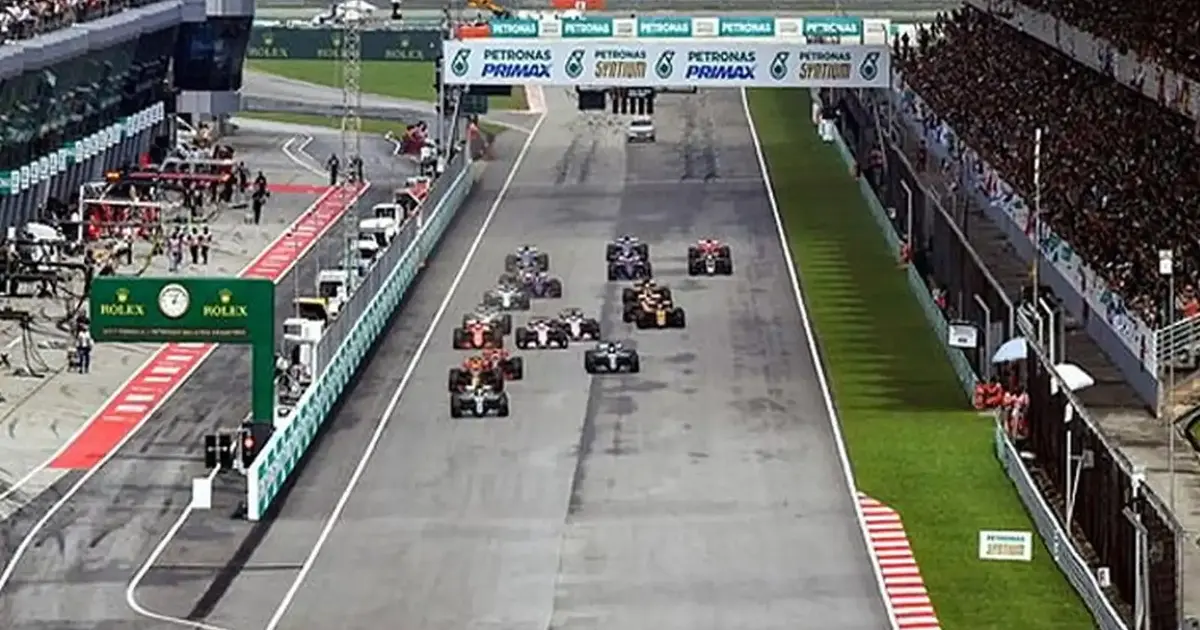
Deputy Prime Minister Zahid has outlined a compelling economic case for Malaysia's involvement in hosting the Bahrain Grand Prix, pointing to anticipated windfalls from increased tourism and heightened global visibility as catalysts for attracting foreign direct investment. The prestigious motorsports event, which commands international attention and brings high-value visitors to host destinations, represents an opportunity that Zahid believes extends well beyond the racing calendar itself.
The hosting arrangement underscores a broader strategic shift in Malaysia's approach to major sporting and cultural events as instruments of economic development. Rather than viewing such occasions as standalone spectacles, government officials increasingly recognise their potential to generate sustained economic activity, from hospitality and transportation to retail and real estate sectors. The influx of international visitors attending the event translates directly into spending across the Malaysian economy, with race enthusiasts and associated media personnel typically spending substantially during their stay.
Zahid's emphasis on tourism growth reflects a calculated assessment of visitor patterns from comparable motorsports events globally. Formula One races and similar high-profile automotive competitions have historically generated tourism spikes in their host cities, with visitors extending their stays to explore wider regions. For Malaysia, this pattern could yield significant benefits across Peninsular Malaysia and beyond, as race attendees often venture beyond venue confines to experience local attractions, dining establishments, and cultural sites.
The investment angle carries particular weight in Malaysia's current economic context. Following pandemic-related disruptions and intensifying regional competition for foreign capital, the country must demonstrate dynamism and international relevance to potential investors. Major sporting events serve as visible proof points of a nation's capacity to organise world-class infrastructure, manage complex logistics, and attract global attention—qualities that reassure investors regarding a country's stability and forward momentum.
The announcement signals recognition that economic benefits extend throughout supply chains and support industries often overlooked in preliminary assessments. Construction projects enhancing venue facilities, transportation networks, and accommodation infrastructure generate employment and demand for local services. Suppliers, contractors, and hospitality workers experience heightened demand, while the upgrading of public facilities—roads, airports, telecommunications—creates positive externalities benefiting residents long after the event concludes.
Zahid's framing also addresses a perennial challenge in Malaysian public discourse: justifying government expenditure on large-scale events. By explicitly connecting the Bahrain Grand Prix to measurable economic outcomes—tourist numbers, investment flows—he positions the initiative as prudent economic policy rather than discretionary spending. This messaging proves particularly important given ongoing debates about fiscal allocation and returns on investment for major government commitments.
The global exposure dimension merits substantial consideration for a nation seeking to elevate its international profile. International broadcasting of the grand prix reaches tens of millions of viewers worldwide, with Malaysia featured prominently across media coverage, commentary, and promotional materials. This organic visibility proves particularly valuable for sectors dependent on international demand: luxury hospitality, premium real estate, and high-technology industries increasingly rely on reputation and perceived sophistication to attract operations and talent.
However, realising these potential gains requires careful attention to execution, infrastructure readiness, and complementary policies. Host cities that successfully leverage sporting events typically invest substantially in supporting infrastructure—training service sector workers, expanding accommodation capacity, ensuring transportation efficiency, and maintaining security standards. The difference between moderately successful and highly successful event hosting frequently hinges on such preparatory groundwork.
For Malaysia specifically, the hosting opportunity intersects with broader economic diversification objectives. As the nation navigates transition from reliance on traditional exports toward higher-value services and specialised manufacturing, major events provide opportunities to showcase capabilities in areas like convention management, tourism development, and premium service delivery. These demonstrated competencies can subsequently attract related industries and investment seeking similarly sophisticated operating environments.
Regional implications also warrant attention. Successful hosting strengthens Malaysia's position within Southeast Asian tourism and event markets, potentially establishing templates and capabilities that translate into sustained competitive advantages. Other regional economies similarly pursue hosting opportunities, making operational excellence and visitor satisfaction particularly consequential for market positioning.
The announcement reflects broader governmental strategy recognising that contemporary economic development increasingly involves choreographing international visibility and capturing associated spending flows. While individual event hosting carries inherent risks and requires substantial upfront investment, the cumulative effect of multiple well-executed major events can materially enhance a nation's economic trajectory and international standing.
Stakeholders across Malaysian sectors—from transportation and hospitality to retail and financial services—stand positioned to benefit from the increased activity levels hosting generates. The success of this initiative thus hinges not merely on event management, but on coordinated efforts across government and private enterprise to maximise economic capture throughout the value chain surrounding such high-profile international occasions.

