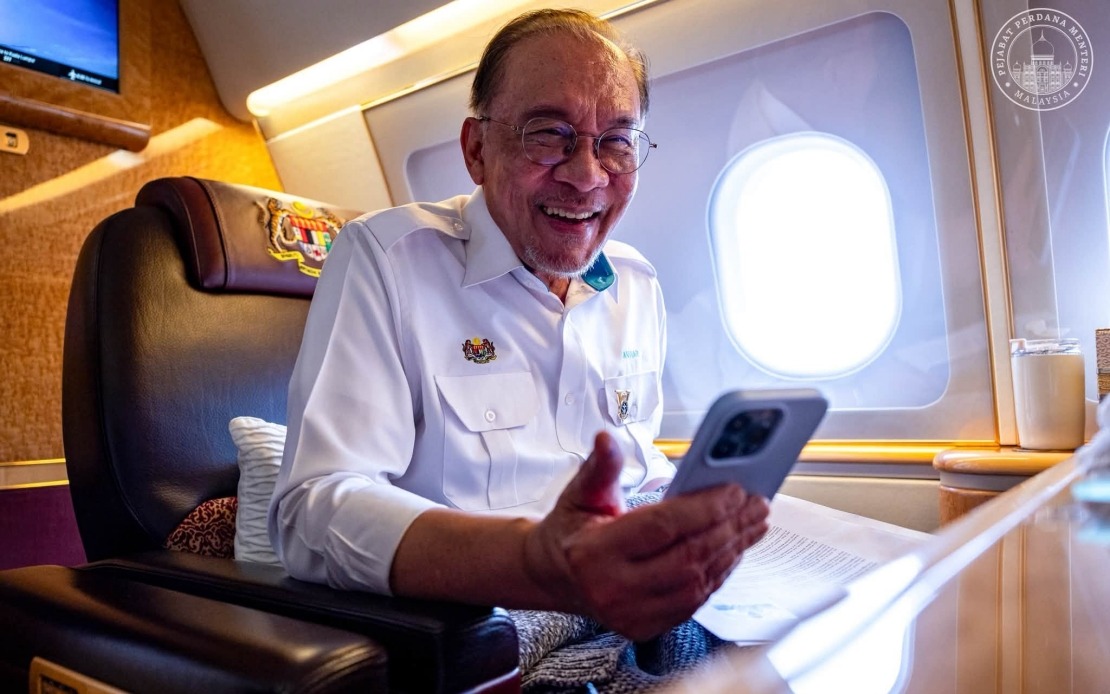
Malaysia is preparing to welcome international motorsport's biggest spectacle back to its shores following a near-decade absence. Prime Minister Datuk Seri Anwar Ibrahim confirmed that the country will host the Formula 1 Gulf Air Bahrain Grand Prix at Sepang International Circuit from October 2 to 4, bringing F1 racing back to Malaysian soil in what represents a significant milestone for the nation's sporting and diplomatic standing.
The announcement carries substantial diplomatic weight, as the event demonstrates the deepening relationship between Malaysia and Bahrain. Anwar stressed that Malaysia views this collaboration as far more than a singular sporting occasion, positioning it instead as a tangible expression of enduring friendship and mutual trust between the two nations. The prime minister has already engaged directly with Prince Salman Hamad Al Khalifa, Bahrain's Crown Prince and Prime Minister, and with Stefano Domenicali, the president and chief executive officer of Formula 1, to coordinate the hosting arrangements.
This development reflects Malaysia's strategic importance within the Asia-Pacific motorsport ecosystem. The Sepang International Circuit has earned a respected reputation as a world-class venue, having previously hosted multiple F1 seasons and other major international racing competitions. The track's infrastructure and operational capabilities positioned it as a logical choice when Bahrain sought additional venues to expand the global F1 calendar's geographic reach.
The nine-year gap since Malaysia last hosted F1 represents a notable absence from the international motorsport spotlight. During this period, the country has continued to invest in its sporting infrastructure and capabilities, laying the groundwork for hosting major events. The return of F1 signals renewed confidence in Malaysia's ability to manage complex international competitions and reinforces its credentials as a destination for premium global sporting occasions.
From a regional perspective, Malaysia's participation in hosting this race underscores Southeast Asian nations' growing capacity to support world-class sporting events. The arrangement demonstrates bilateral cooperation and the willingness of nations in the broader region to collaborate on initiatives that enhance their international profiles. For Malaysian motorsport enthusiasts and the broader sporting community, the event represents a long-awaited opportunity to experience F1 competition at home.
Anwar emphasised that Malaysia intends to leverage the occasion to showcase its world-class infrastructure, operational excellence, and distinctive hospitality standards to a global audience. These elements extend beyond the purely sporting dimensions, encompassing the nation's economic capabilities, safety standards, and capacity to manage large-scale international gatherings. The event will provide valuable exposure for Malaysia's tourism sector and broader economic initiatives.
The hosting arrangement carries practical implications for Malaysia's motorsport industry and related sectors. Hotels, transportation networks, food and beverage services, and entertainment venues will experience increased activity during the race weekend. Local employment opportunities will emerge across multiple sectors, from direct race operations to hospitality and retail services. The economic stimulus, though concentrated over several days, contributes to the broader economic narrative that major sporting events generate.
The partnership between Malaysia and Bahrain illustrates how smaller nations can enhance their global visibility through strategic sporting collaborations. Rather than competing for limited F1 dates, the arrangement shows how shared arrangements can benefit both parties. Bahrain gains additional hosting capacity, while Malaysia demonstrates its willingness to support regional partners while reclaiming its position on the F1 circuit.
Security and logistical planning will occupy significant governmental attention as preparations intensify. F1 events demand rigorous safety protocols, traffic management, and coordination between multiple governmental agencies. The Sepang International Circuit's previous experience hosting major events provides valuable institutional knowledge that will streamline preparations.
For international audiences, the event reinforces Malaysia's credentials as a sophisticated host nation capable of managing high-profile international occasions. The visibility generated through global F1 broadcasting reaches billions of viewers worldwide, providing marketing exposure that would cost substantially more to obtain through conventional advertising channels.
The announcement also carries symbolic significance within Malaysia's broader positioning in Southeast Asia. As the region's established leader in motorsport infrastructure and expertise, Malaysia's return to F1 hosting reaffirms its pre-eminence in this field. The event demonstrates that despite competitive pressures from neighbouring countries, Malaysia retains the technical capabilities and diplomatic relationships necessary to secure prestigious international sporting engagements.
Looking ahead, this successful hosting could catalyse future motorsport opportunities for Malaysia. A well-executed F1 event might encourage other international racing organisations to consider Malaysia as a venue, potentially establishing regular hosting relationships. The decision to support Bahrain's request thus represents an investment in Malaysia's long-term positioning within the global motorsport industry.

