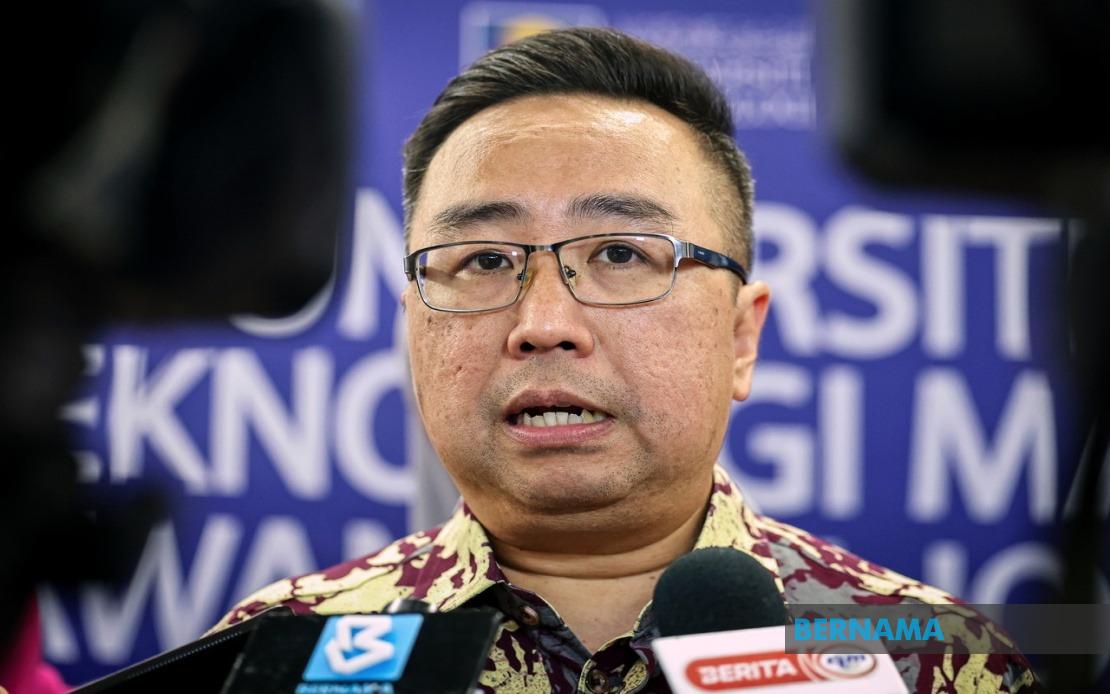
Malaysia's approach to consolidating its position as a regional science and innovation hub hinges on building a robust pipeline of skilled technical professionals, according to Minister Datuk Chang Lih Kang. Speaking in Johor Bahru on July 3, the MOSTI chief outlined how talent development will anchor the ministry's strategic priorities in the lead-up to Malaysia's hosting of AMMSTI-23 in June 2027—a responsibility the country accepted at the previous ASEAN ministerial gathering held in Vientiane, Laos on June 26.
The emphasis on human capital reflects a broader regional understanding that technological advancement depends fundamentally on the quality and availability of trained professionals. Without adequate talent in the pipeline, even the most ambitious infrastructure investments and innovation initiatives falter. Chang's framing of talent development as critical to attracting high-tech foreign investment acknowledges this reality: multinational technology firms and research institutions require confidence that they will find capable workforces ready to contribute immediately to sophisticated projects. For Malaysia, competing with neighbouring Singapore and Thailand for premium technology investments demands that such assurances be credible and backed by tangible evidence.
Beyond talent cultivation, MOSTI has identified six strategic technology domains that will shape Malaysia's STI trajectory through the remainder of this decade. Energy transition and renewable technologies feature prominently, reflecting global momentum away from fossil fuels and the pressure on Southeast Asian economies to decarbonise their industrial bases. Artificial intelligence represents both opportunity and risk—the technology promises productivity gains and new economic sectors, but without deliberate workforce preparation, it risks displacing workers faster than retraining programmes can absorb them. Advanced materials, nanotechnology, hydrogen development, and biotechnology round out the focus areas, each offering potential for high-value manufacturing and innovation-led economic growth.
Technical and Vocational Education and Training represents a particularly revealing flashpoint in Malaysia's innovation strategy. Although TVET governance falls outside MOSTI's formal remit, the ministry recognises that vocational systems cannot remain anchored to twentieth-century skill sets. Chang's call to infuse TVET curricula with robotics, artificial intelligence, and coding rather than perpetuating purely conventional technical training acknowledges that the split between academic and vocational tracks has become outdated. Modern manufacturing and services demand hybrid capabilities—technicians must understand both hands-on mechanical work and the digital systems increasingly embedded in industrial equipment.
The institutional machinery to effect this transformation is already in motion. MOSTI has forged collaborative arrangements with twelve other ministries to align TVET implementation with emerging technology needs. The Ministry of Education and Ministry of Higher Education are natural partners, but inclusion of the Ministry of Rural and Regional Development and the Ministry of Human Resources signals that skills development is being treated as a comprehensive national project rather than a narrow sectoral concern. This reflects recognition that rural and provincial Malaysia cannot be left behind in the technology transition without generating social tensions and wasting human potential.
The MOSTI TechTalks Series, held regularly at university campuses nationwide, exemplifies the ministry's grassroots engagement strategy. By bringing information about Malaysia's STI agenda and technology pathways directly to young people at universities, the initiative aims to shape career aspirations and awareness before graduation. University students who understand the national direction and opportunities in priority sectors become more purposeful in their studies and more likely to contribute meaningfully to emerging industries. The programme also serves an important signalling function: it demonstrates that government is investing seriously in science and innovation, potentially influencing the best students to remain in Malaysia rather than seeking opportunities abroad.
The timing of AMMSTI-23 creates natural pressure to demonstrate progress on these fronts. When regional counterparts assemble in Malaysia in June 2027, they will expect to encounter evidence of genuine commitment to science and technology development. This might take the form of new research facilities, examples of innovative enterprises that have emerged from government support, growing participation in regional research networks, and most visibly, testimonials from young Malaysian professionals launching careers in priority technology fields. The hosting role therefore functions as a deadline that concentrates effort and resources.
For Malaysia's neighbours in Southeast Asia, particularly Vietnam, Indonesia, and Thailand, Malaysia's emphasis on talent development and curriculum modernisation offers instructive lessons. These countries face similar pressures to upgrade their technology sectors and compete for high-value investment. The regional conversation at AMMSTI-23 will likely focus significantly on how ASEAN member states can coordinate efforts to develop shared expertise in critical areas while avoiding wasteful duplication. The TVET modernisation agenda that MOSTI is pursuing could become a template that other governments adapt to their own contexts.
The broader strategic calculation underlying these moves reflects Malaysia's evolving positioning within global technology competition. The country cannot compete with China on manufacturing scale or cost, nor can it yet match Singapore's established status as a financial and technology centre. Instead, Malaysia's advantage lies in combining a reasonably educated workforce, improving technological infrastructure, strategic geographic position, and demonstrable government commitment to sectoral development. Talent development sits at the intersection of all these factors—without skilled people, infrastructure and investment mean little.
Implementation challenges remain substantial. Persuading young Malaysians to pursue careers in technical fields rather than more traditionally prestigious professions requires cultural shifts that cannot be legislated. TVET programmes must evolve quickly enough to keep pace with technology changes that themselves accelerate, yet stable enough to provide genuine pathways to employment. Collaboration across twelve different ministries demands sustained coordination and aligned budgeting in an environment where political transitions and shifting priorities are inevitable. These difficulties explain why many countries articulate similar ambitions but fewer achieve them at scale.
The AMMSTI-23 hosting opportunity provides Malaysia both platform and pressure to demonstrate that its talent development agenda reflects genuine strategic commitment rather than rhetorical flourish. In the interval before June 2027, progress will be measured not in speeches but in enrollments in modernised TVET programmes, employment outcomes for graduates in priority technology sectors, and the visible presence of Malaysian researchers and innovators contributing to regional scientific work. The summit itself will reveal whether the investments being made today have begun generating the human capital infrastructure that Malaysia's long-term competitiveness demands.

