Malaysia is actively engaging diplomatic channels with the Norwegian government to resolve a significant compensation dispute stemming from the cancellation of a major defence procurement contract. Defence Minister Datuk Seri Mohamed Khaled Nordin announced that both the Defence Ministry and Foreign Ministry have formally communicated Malaysia's position to Oslo, setting the stage for mediated negotiations over the scrapped Naval Strike Missile (NSM) system contract with Kongsberg Defence & Aerospace AS (KDA).
The government's approach reflects a structured diplomatic strategy designed to leverage Norway's influence with the defence contractor. Rather than pursuing direct confrontation, Malaysian authorities have requested that the Norwegian government facilitate and mediate between the Defence Ministry and KDA to facilitate the compensation settlement. This approach acknowledges the reality that intergovernmental cooperation often proves more effective in resolving defence industry disputes than bilateral company negotiations alone.
Mohamed Khaled emphasized the government's commitment to resolving the matter through proper channels, noting that formal notices were issued from the outset to ensure all parties maintained clarity on Malaysia's intentions and expectations. The Defence Ministry's proactive notification of both the Norwegian government and the contractor demonstrates a deliberate effort to establish a clear legal and diplomatic framework for subsequent negotiations, potentially strengthening Malaysia's negotiating position by creating an official record of the claim.
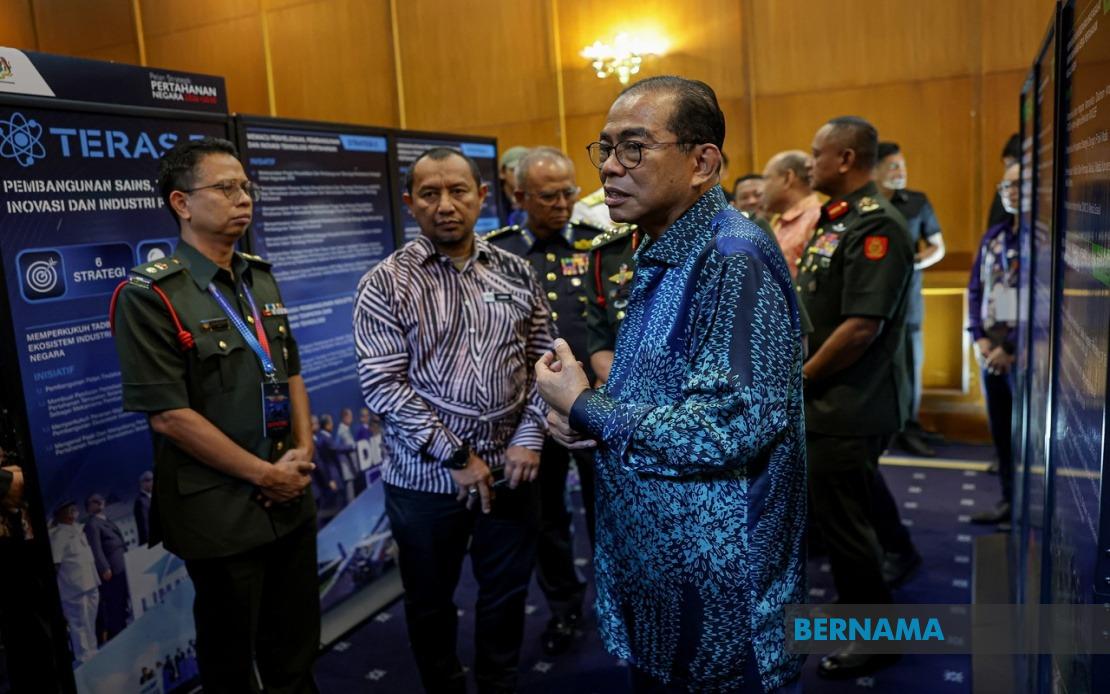
The announcement followed Malaysia's National Defence Strategic Plan and Defence Capability Blueprint 2026-2030 launch, where Defence force leadership gathered to chart the country's future security direction. Chief of Defence Force General Tan Sri Malek Razak Sulaiman's presence underscored the institutional significance of resolving this matter, as the cancelled missile system would have represented a substantial capability enhancement for Malaysia's naval operations in the disputed South China Sea and broader Indo-Pacific region.
The Public Accounts Committee (PAC) has already engaged with the Defence Ministry on this issue, receiving a comprehensive briefing on the compensation claim and the government's mitigation strategies. The PAC subsequently urged the government to strengthen both diplomatic efforts and risk mitigation measures while pursuing a settlement that protects Malaysia's fiscal position. This parliamentary oversight reflects legitimate concerns about the financial implications of the failed procurement, particularly given budget constraints typical of Southeast Asian defence spending.
The PAC's emphasis on safeguarding fiscal sovereignty carries particular weight in the current economic context, where Malaysia faces competing demands for public funds across healthcare, education, and infrastructure. A substantial compensation payment could impact defence allocations for alternative platforms or systems, potentially forcing difficult choices about other capability acquisitions. The committee's dual focus on achieving fair resolution while protecting financial interests suggests the claim amount under dispute may be considerable.
The NSM system represents cutting-edge maritime strike capability, and its cancellation likely resulted from budgetary constraints or shifting defence priorities rather than technical deficiencies. Kongsberg Defence & Aerospace has substantial experience delivering advanced defence systems across NATO and allied nations, meaning the company likely has contractual protections and termination provisions that could support a substantial claim against Malaysia. The contract's specific terms regarding advance payments, development costs, or penalty clauses will fundamentally shape the compensation amount under dispute.
Engaging Norwegian government mediation reflects Malaysia's understanding that bilateral defence relationships carry broader strategic significance in Southeast Asia's evolving security landscape. Norway, though geographically distant, maintains defence relationships across the Indo-Pacific region and has established credibility as an honest broker in international disputes. The Norwegian government's willingness to facilitate negotiation rather than support its national company's aggressive legal position could prove advantageous for Malaysia's pursuit of a negotiated settlement.
For Malaysian defence planners, this episode highlights the risks inherent in major capability acquisitions, particularly those involving foreign systems with limited regional support infrastructure. The cancellation suggests that initial procurement assumptions—whether regarding budget availability, operational requirements, or industrial capacity—shifted after contractual commitment, a common challenge in defence modernization programmes across developing economies. Future acquisitions will likely incorporate more flexible termination clauses and staged payment schedules to mitigate similar financial exposure.
The resolution of this dispute carries implications beyond the bilateral compensation question. How Malaysia handles this matter will influence future defence contractor confidence in Malaysian procurement commitments and potentially affect the country's reputation in international defence markets. A prompt, fair resolution demonstrating Malaysia's contractual seriousness could facilitate future partnerships, while protracted legal battles might discourage premium suppliers from competing for Malaysian defence projects.
The diplomatic solution Malaysia is pursuing represents a pragmatic middle ground between aggressive litigation and passive acceptance of the financial consequences. By formally engaging the Norwegian government while maintaining open communication with Kongsberg Defence & Aerospace, Malaysia creates conditions for mediated negotiation where both parties can achieve acceptable outcomes without resorting to international arbitration or prolonged legal proceedings. This approach recognizes that defence industry relationships, unlike purely commercial transactions, carry strategic dimensions that favour negotiated settlement over adversarial legal processes.

