Malaysia's government has announced it will increase the BUDI MADANI RON95 fuel subsidy quota back to 300 litres per month for media practitioners beginning September 1, reversing a cost-cutting measure that had narrowed the programme only months earlier. The decision, announced by Prime Minister Datuk Seri Anwar Ibrahim during the National Day 2026 address at the Putrajaya International Convention Centre, marks a significant policy reversal that responds to sustained pressure from the journalism and broadcasting sectors across the country.
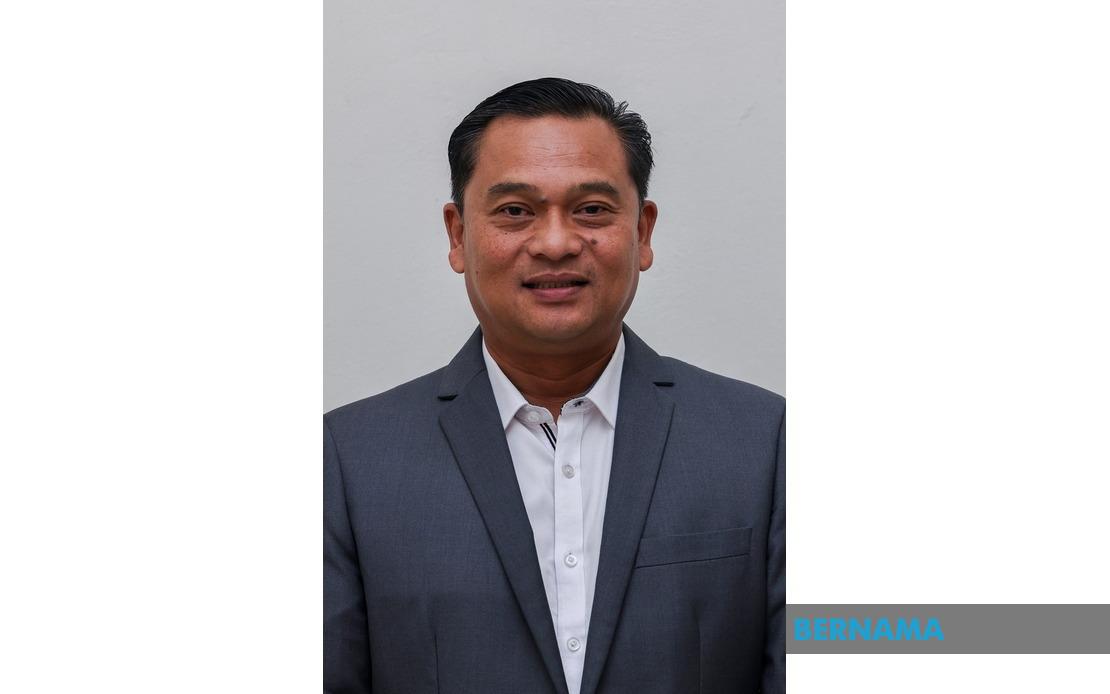
The Association of Malaysian Media Clubs (GKMM) has responded positively to the restoration, characterising the move as essential relief for journalists and broadcasters who had absorbed mounting fuel expenses since the quota reduction took effect in April. GKMM president Mohd Fauzi Ishak underscored that the previous threshold of 200 litres per month had created particular hardship for media workers stationed outside Kuala Lumpur, forcing them to deplete personal finances to maintain their reporting duties and event coverage responsibilities.
For media practitioners, especially those based in Malaysia's states and rural regions, fuel costs represent a substantial operational expense that extends beyond simple commuting. Journalists and broadcast crews must maintain flexible schedules to cover breaking news, attend press conferences, conduct interviews, and document events across dispersed geographic areas. The lower quota had effectively transferred these logistical costs directly to workers' personal budgets, creating a de facto salary reduction that affected their household finances and professional capability.
The quota adjustment reflects broader tensions within Malaysia's subsidy system, which faces competing pressures between fiscal responsibility and social support. In March 2026, the government had announced the reduction from 300 to 200 litres monthly, citing the conflict in West Asia and related petroleum price pressures. That decision aimed to constrain government expenditure while maintaining the subsidised price of RON95 at RM1.99 per litre for eligible programme participants. However, the unanticipated impact on media sector operations apparently prompted officials to reconsider the threshold within six months.
The BUDI MADANI programme serves approximately 16 million Malaysian consumers across multiple categories, making it a substantial government commitment. By restoring the 300-litre baseline, the administration signals that media practitioners warrant prioritisation within subsidy allocation decisions, acknowledging their role as essential workers in the information ecosystem. This positioning implicitly recognises journalism and broadcasting as public goods deserving preferential treatment during resource constraints, a perspective that differs from treating fuel subsidies as purely consumer welfare measures.
Mohd Fauzi Ishak has additionally encouraged Malaysian media companies and news agencies to supplement government support by introducing new allowances or incentives that account for rising operational costs. This appeal reflects recognition that the BUDI RON95 programme, while helpful, provides incomplete compensation for journalists' actual expenses. Media organisations face pressure to retain experienced reporters and maintain reporting quality amid economic headwinds, suggesting that competitive compensation packages increasingly require employer contributions beyond base salaries.
The fuel subsidy debate carries particular significance for Malaysia's regional media landscape. As Southeast Asia's media infrastructure increasingly fragments across digital and traditional platforms, sustaining professional journalism in smaller markets and provincial areas requires both structural support and market viability. Malaysia's approach of combining government fuel subsidies with employer-level allowances creates a hybrid model where public investment and private sector responsibility share the burden of maintaining reporting infrastructure beyond major urban centres.
The timing of this reversal, occurring during the National Day observance period, also carries symbolic weight. By announcing the restoration during a major civic occasion, the government framed support for media practitioners as integral to national identity and democratic functioning. This messaging suggests that Malaysia's leadership views a capable, adequately-resourced press as essential to the nation's institutional health, particularly during periods of regional or international volatility.
For Malaysian journalists and broadcasters, the restoration provides immediate budget relief and validates advocacy efforts that highlighted professional sector concerns. The decision validates the principle that workers in critical information roles deserve specific policy attention rather than absorption into general consumer subsidy categories. However, GKMM's parallel call for employer incentives indicates that media workers and their representatives recognise that government support alone remains insufficient for sustainable compensation in an increasingly expensive operating environment.
The BUDI RON95 programme adjustment also illustrates broader Malaysian policy dynamics around subsidy design and sector-specific targeting. As governments worldwide grapple with subsidy systems' fiscal impacts, Malaysia's experience suggests that blanket reductions generate significant pressure from affected professional groups, while strategic carve-outs for specific sectors prove administratively feasible. The decision to restore media practitioners' quota without necessarily restoring quotas across other eligible categories demonstrates that prioritisation within subsidy programmes remains politically viable and economically justified by sectoral arguments.

