%22%2F%3E%3C%2Fpattern%3E%3C%2Fdefs%3E%3Crect%20width%3D%22100%25%22%20height%3D%22100%25%22%20fill%3D%22url(%23ph51hx1g)%22%2F%3E%3Crect%20width%3D%22100%25%22%20height%3D%22100%25%22%20fill%3D%22url(%23ph51hx1p)%22%2F%3E%3Ctext%20x%3D%2250%25%22%20y%3D%2250%25%22%20text-anchor%3D%22middle%22%20dominant-baseline%3D%22central%22%20fill%3D%22rgba(255%2C255%2C255%2C0.95)%22%20font-family%3D%22Georgia%2C%20'Times%20New%20Roman'%2C%20serif%22%20font-weight%3D%22700%22%20font-size%3D%22170%22%20letter-spacing%3D%22-0.02em%22%3EMalaysia%3C%2Ftext%3E%3C%2Fsvg%3E)
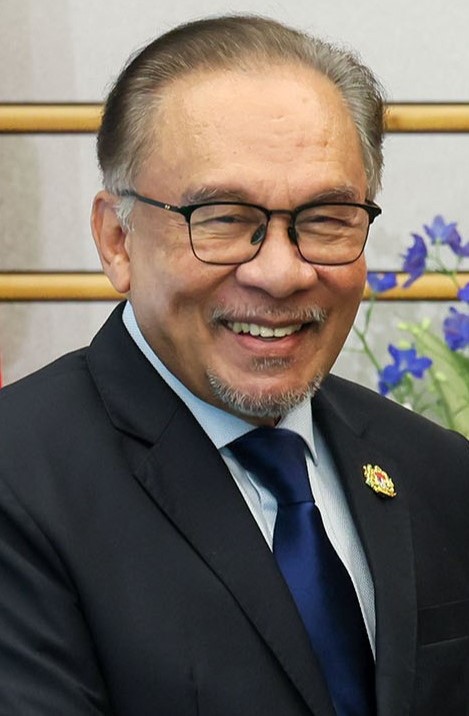
Malaysia has secured major energy security commitments following Prime Minister Datuk Seri Anwar Ibrahim's high-level visits to Russia and Turkmenistan, marking a notable expansion of the country's international engagement and diversified energy sourcing strategy. Government ministers have praised the diplomatic missions as transformative achievements that will strengthen both domestic energy stability and Malaysia's standing within the global energy sector, while opening pathways for sustained economic cooperation across multiple sectors.
The most immediate benefit stems from Russia's pledge to supply Malaysia with long-term oil resources extending across two decades, a commitment that fundamentally reshapes the nation's approach to energy security. Housing and Local Government Minister Nga Kor Ming emphasised that this arrangement transcends traditional annual or seasonal procurement cycles, instead anchoring Malaysia's energy needs within predictable, multi-year frameworks that reduce market volatility and enhance planning reliability. Such stability proves particularly valuable given Malaysia's reliance on imported hydrocarbons and the region's exposure to global energy price fluctuations that have periodically strained household budgets and government subsidies.
The long-term Russian supply commitment directly supports the government's broader energy diversification strategy, a cornerstone of the MADANI administration's economic framework. By reducing dependency on any single energy source or geopolitical supplier, Malaysia positions itself to weather supply shocks and price spikes that might otherwise trigger cascading effects throughout the economy. Nga, who represents Teluk Intan, underscored that maintaining affordability of fuel, particularly the subsidised RON95 petrol price anchored at RM1.99 per litre through the BUDI MADANI initiative, requires precisely this kind of stable, long-term sourcing arrangement that predictable Russian supplies now provide.
Beyond the immediate energy security gains, the visits unlocked a transformational opportunity for Malaysia's flagship energy corporation. Petronas has secured a role as operator of one of Turkmenistan's major gas fields, positioning the national oil and gas company to expand its global footprint and demonstrate Malaysian capabilities in managing world-class energy infrastructure. The assignment carries symbolic weight as well as commercial significance: it represents international recognition of Petronas' technical expertise and operational standards, validating the company's credentials as a credible partner for complex, large-scale projects in competitive global markets.
The implications for Petronas' corporate standing are substantial. Currently ranked 139th among Fortune Global 500 companies, the operator's successful management of a major Turkmenistan asset creates pathways toward advancing that ranking into the elite top 100 tier, provided the project is executed to world-class standards. Such advancement would elevate not merely corporate prestige but also Malaysia's broader reputation as a source of professional, internationally-competitive energy expertise. The gas field project thus functions as both a revenue generator and a confidence signal to other nations and international energy consortiums regarding Malaysian capabilities.
Human Resources Minister Datuk Seri R. Ramanan highlighted the human capital dimensions embedded within these energy partnerships, dimensions often overlooked in analyses focused narrowly on commodity flows. The Turkmenistan opportunity specifically creates avenues for technology transfer, skills development programmes, and training schemes that would cultivate a cadre of Malaysian professionals capable of managing sophisticated energy infrastructure globally. Such workforce development carries multiplier effects across the economy, generating higher-wage employment, encouraging retention of skilled personnel within Malaysia, and building institutional knowledge that enhances the nation's competitive position within the energy sector.
The Sungai Buloh MP articulated a vision of these energy engagements as catalysts for broader bilateral cooperation spanning trade, investment, and technological collaboration. Rather than treating energy arrangements as standalone transactions, the government frames them as entry points for deeper institutional relationships that span multiple economic sectors. This approach reflects sophisticated diplomatic practice: energy partnerships create regularized governmental contact, institutional linkages, and mutual interests that facilitate expansion into other domains where both nations possess complementary advantages or shared strategic concerns.
Anwar's two-day working visit to Kazan in Russia's Republic of Tatarstan formalised cooperation frameworks covering energy security, trade, investment, tourism, and technology sectors. The geographic selection of Kazan, situated within the Volga region and serving as an economic hub within Russia's broader energy infrastructure, signalled Malaysian intent to engage directly with Russian decision-makers controlling significant hydrocarbon resources. This departure from traditional diplomatic patterns focused exclusively on Moscow demonstrates nuanced understanding of Russia's federal structures and the importance of cultivating relationships with regional power centres.
The Turkmenistan engagement complements the Russian overtures by targeting Central Asian energy wealth, positioning Malaysia as an increasingly active participant in Eurasian energy markets. Turkmenistan possesses some of the world's largest natural gas reserves, making the country strategically valuable within global energy geopolitics. Petronas' appointment as operator of one of these major fields inserts Malaysia into Central Asian energy governance structures, enhancing the nation's voice within international energy forums and creating leverage within multilateral discussions affecting regional stability and energy flows.
Anwar attributed the successful outcomes to Malaysia's demonstrated political stability, the professional capabilities of Malaysian enterprises, and international confidence in the nation's governance frameworks. This framing carries significance beyond diplomatic courtesy: it identifies stability and institutional credibility as core national assets that translate directly into commercial opportunity. For Malaysian policymakers and business leaders, the message suggests that investments in institutional quality and transparent governance generate tangible returns through expanded international partnership opportunities that might otherwise flow toward competing nations offering similar resource access.
The energy security arrangements also carry implications for Malaysia's broader regional positioning within Southeast Asia. As the region navigates energy transition challenges and seeks to balance climate commitments against developmental needs, Malaysia's successful negotiation of long-term, diversified energy sourcing models provides a template potentially relevant for other ASEAN members grappling with similar policy tensions. Furthermore, securing major projects like the Turkmenistan gas field operation elevates Petronas' profile as a regional champion capable of competing globally, potentially enhancing the overall competitive positioning of Southeast Asian energy companies within international markets.
Moving forward, the realisation of these agreements depends on sustained diplomatic engagement, effective implementation of technical arrangements, and alignment between Malaysian energy requirements and actual delivery schedules from Russian and Turkmenistan sources. The twenty-year timeline for Russian supplies provides extended visibility into energy security, while the Turkmenistan project offers long-term revenue streams and employment opportunities. However, geopolitical risks, regulatory changes, and technological shifts could potentially affect project viability. The government's success in concluding these agreements represents the opening phase; demonstrating capacity to execute effectively will determine whether these diplomatic achievements translate into the promised economic and strategic benefits for Malaysia.