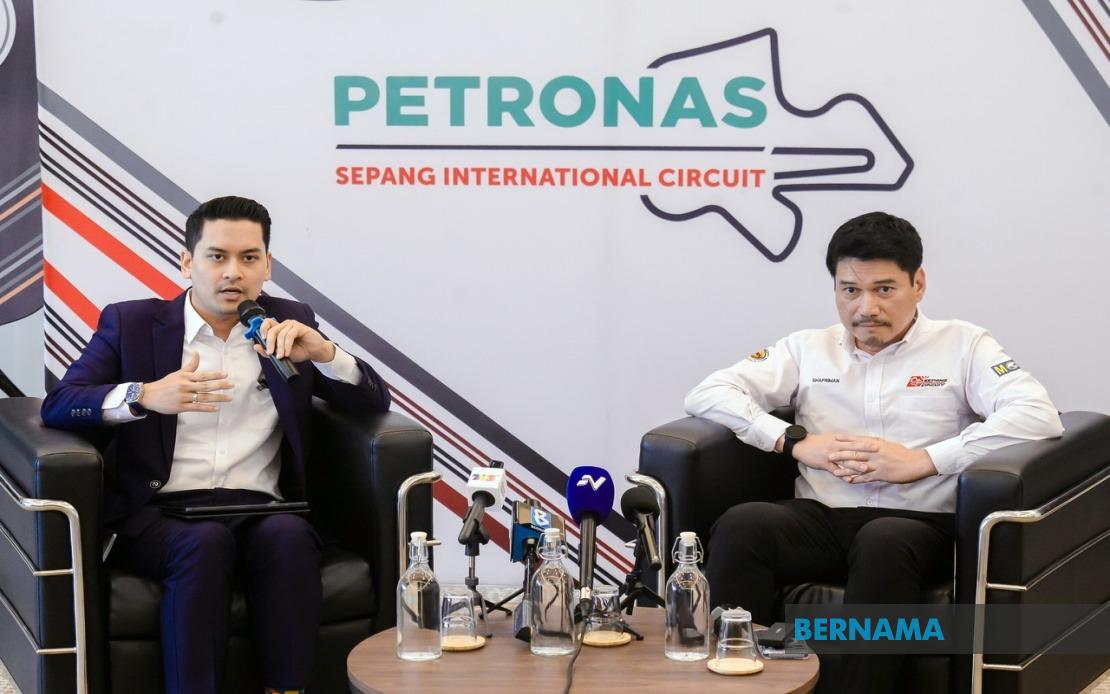
Malaysia will continue hosting the prestigious Motorcycle Grand Prix through 2031 after securing Cabinet approval for a five-year contract extension. Youth and Sports Minister Dr Mohammed Taufiq Johari announced the renewal at the Sepang International Circuit, describing the decision as more than a routine sporting agreement but rather a deliberate strategic investment in Malaysia's positioning within the global motorsport industry.
The extended agreement takes effect from 2026, following the conclusion of the current contract at year-end. This continuation underscores the government's determination to maintain Malaysia's competitive standing alongside established motorsport destinations, particularly as the nation seeks to strengthen its reputation and infrastructure in the sector. The announcement reflects broader policy priorities around sporting investment and international event hosting that align with economic development objectives.
The financial returns from hosting MotoGP substantiate the government's commitment to the arrangement. According to an economic impact study, the 2024 Malaysian Grand Prix generated approximately RM694 million in overall economic contribution to the country. Beyond direct revenue, the event created employment opportunities totalling more than 4,400 jobs across various sectors, while delivering a return on investment calculated at approximately 6.3 times the initial expenditure. These metrics position MotoGP as a significant economic driver that justifies continued public investment.
Beyond raw financial metrics, hosting MotoGP generates spillover benefits across multiple industry segments. The tourism and hospitality sectors derive substantial visitor demand during race weeks, while transportation networks benefit from increased activity. Small and medium enterprises particularly gain commercial opportunities through supply contracts, accommodation services, and ancillary business. The event functions as a catalyst that stimulates economic activity well beyond the circuit itself, touching communities across the Klang Valley and beyond.
A strategic priority underpinning the extension involves nurturing indigenous motorsport talent and technical capacity. The Malaysian Motorsport Development programme has established a systematic pathway for identifying and developing riders capable of competing internationally. Recent success stories including Hakim Danish and Qabil Irfan demonstrate the programme's effectiveness in producing competitive world-class competitors. By maintaining MotoGP's presence, Malaysia sustains the infrastructure, mentorship networks, and international exposure necessary for next-generation talent development.
Malaysia's history in hosting MotoGP stretches back three decades, having first staged the championship event in 1991 before establishing a permanent venue at Sepang International Circuit beginning in 1999. The circuit has evolved into one of Asia's premier motorsport facilities, hosting not only MotoGP but also supporting professional racing development through various feeder series and international events. This established infrastructure and operational expertise positions the country advantageously for securing long-term major sporting commitments.
The contract extension carries implications for Southeast Asian motorsport development more broadly. Malaysia's continued MotoGP presence strengthens the region's profile as a motorsport destination, creating competitive dynamics with other emerging markets seeking to host international racing events. The country's technical expertise, circuit infrastructure, and track record in event management contribute to a regional motorsport ecosystem that attracts international investment and attention.
For Malaysian audiences and stakeholders, the extended commitment promises sustained international visibility and associated prestige. Hosting world-championship motorsport events demonstrates national capability and generates pride in domestic sporting achievements. The arrangement attracts global media attention to Malaysia, enhancing the country's international brand and positioning it alongside established motor racing destinations such as Singapore and Thailand.
Government investment in mega-events like MotoGP reflects confidence in event-driven economic strategy as a development tool. Rather than treating sports hosting as discretionary spending, policymakers frame such commitments as infrastructure investments that generate measurable economic returns and institutional capacity. The 2031 extension signals intention to build on existing advantages rather than cede international sporting prominence to competing destinations within and beyond Southeast Asia.

