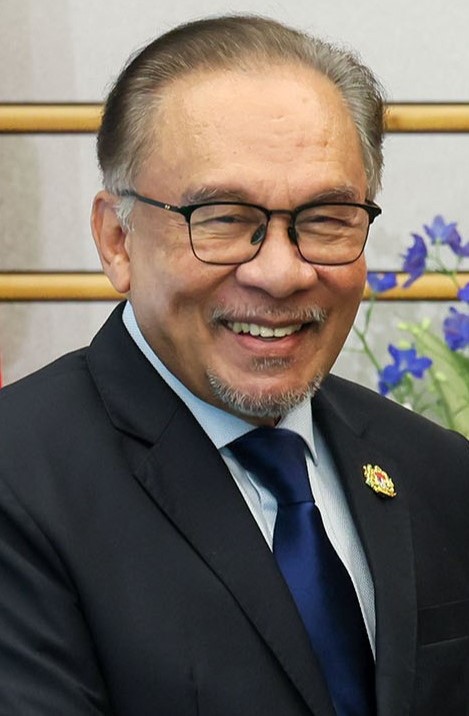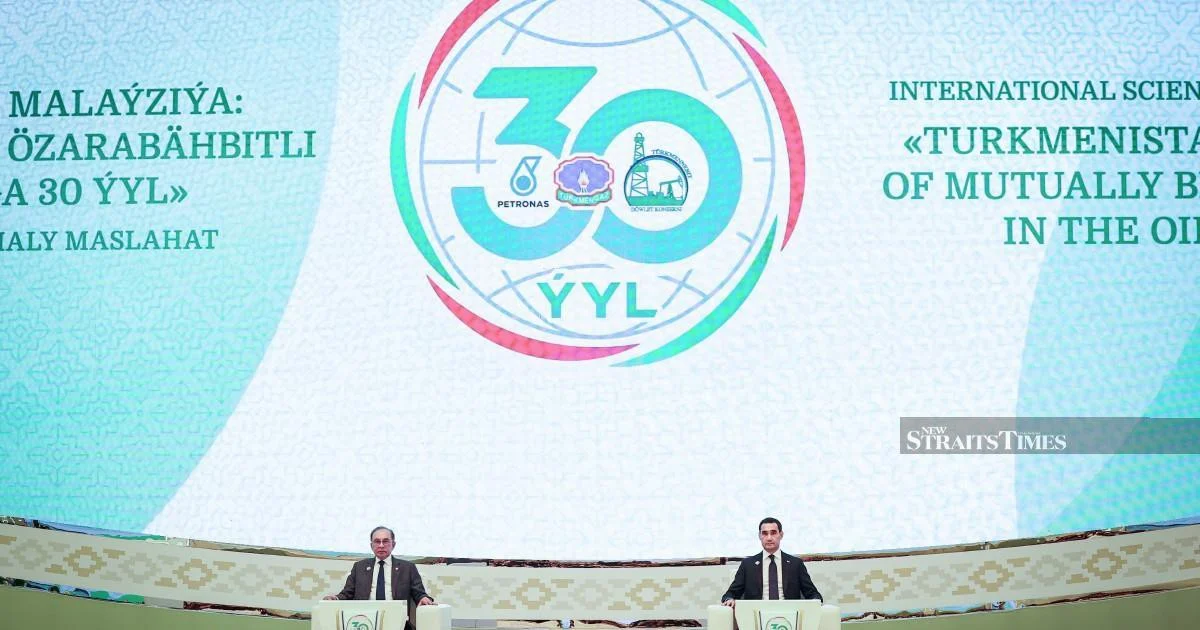
Prime Minister Datuk Seri Anwar Ibrahim's recent diplomatic missions to Russia and Turkmenistan represent a significant recalibration of Malaysia's energy strategy, yielding concrete agreements that position the country to diversify its hydrocarbon supply chains beyond traditional Southeast Asian sources. The success of these visits underscores the government's commitment to securing stable, long-term energy partnerships in an increasingly complex geopolitical landscape where energy security has become inseparable from economic resilience and national strategic interests.
The timing of these engagement efforts carries particular significance given Malaysia's current energy portfolio challenges. As domestic oil and gas production continues its gradual decline—a consequence of the maturation of major producing fields—the nation must actively pursue alternative sourcing mechanisms to meet growing industrial and consumer demands. Both Russia and Turkmenistan possess substantial proven reserves and established export infrastructure, making them strategically valuable partners in Malaysia's efforts to maintain energy independence while managing import costs effectively.
Russia, despite international sanctions imposed following its 2022 invasion of Ukraine, continues to represent one of the world's largest hydrocarbon producers with sophisticated export capabilities that extend beyond conventional Western markets. Malaysian engagement with Moscow in energy matters reflects a pragmatic foreign policy approach, recognizing that energy security transcends transient geopolitical tensions and that bilateral relationships in critical sectors require consistent diplomatic attention. The specific nature of agreements reached during the visit would likely encompass long-term supply contracts, technological cooperation in exploration and development, and potentially joint ventures in downstream sectors.
Turkmenistan's role in the expanded energy partnership operates along different parameters. As the world's fifth-largest gas producer by reserves and a nation situated at the intersection of Asian markets and European supply routes, Turkmenistan offers Malaysia direct access to substantial gas reserves with the potential for both immediate and future contractual arrangements. The Central Asian nation has historically prioritized relationship-building with diverse buyers to reduce economic vulnerability and diversify revenue streams, making it a receptive partner for Malaysian initiatives.
For Malaysian state-owned energy companies like Petronas, these partnerships open operational pathways in new geological basins and regulatory environments. Participation in projects across different jurisdictions enhances organizational expertise in managing complex international operations and positions Malaysian energy firms for potential regional consolidation and expansion in upstream sectors. Such international engagement also bolsters human capital development within the Malaysian petroleum industry by exposing technical and managerial talent to global best practices.
The implications for Malaysia's domestic economy extend beyond simple import diversification. Secured energy supplies at competitive rates directly reduce production costs for energy-intensive industries—petrochemicals, refining, fertilizers, and heavy manufacturing—sectors where Malaysia maintains regional competitiveness. Stable energy pricing also facilitates long-term industrial planning and investment by reducing forecast uncertainty, a critical consideration as Southeast Asian manufacturers compete increasingly aggressively for market share in global supply chains.
These diplomatic engagements equally reflect Malaysia's broader strategy of maintaining equidistant relationships across major powers while prioritizing national interest outcomes. The visits demonstrate that Malaysian foreign policy can engage constructively with nations regardless of their current international standing, provided such engagement serves demonstrable national objectives. This pragmatic approach enhances Malaysia's diplomatic flexibility and strengthens its positioning as a reliable, non-aligned partner capable of building productive relationships across diverse geopolitical contexts.
Regionally, Malaysia's energy partnerships in Russia and Central Asia may catalyze broader Southeast Asian interest in diversifying external energy sourcing. Other ASEAN members facing comparable hydrocarbon depletion trajectories could leverage Malaysia's diplomatic groundwork and technical insights to establish parallel partnerships. Such coordinated regional engagement could eventually yield collaborative procurement advantages and strengthen ASEAN's collective energy security position relative to external suppliers.
The strategic depth gained through these partnerships also provides Malaysia with enhanced negotiating leverage in ongoing regional energy discussions. Whether in ASEAN energy forums or bilateral discussions with neighboring producer-states, Malaysia's demonstrated ability to access diverse international energy sources strengthens its position as a serious participant in regional energy governance and market mechanisms. This diplomatic capital becomes increasingly valuable as regional energy transitions accelerate and new sourcing relationships become strategically essential.
International energy markets currently navigate competing pressures from geopolitical fragmentation, energy transition imperatives, and demand volatility. Within this complex environment, nations that successfully construct diversified, resilient energy portfolios through multiple supplier relationships and varied contractual frameworks position themselves for enhanced economic stability and reduced external vulnerability. Malaysia's moves toward Russia and Turkmenistan represent calculated steps toward precisely such resilience-building, acknowledging both immediate energy security imperatives and longer-term strategic positioning.
The successful execution of these diplomatic initiatives also demonstrates institutional competence within Malaysia's government structures. Navigating complex negotiations across multiple jurisdictions, managing technical and commercial specifications, and securing parliamentary or cabinet approvals for international agreements requires coordinated effort across numerous agencies. The apparent success of Anwar's missions suggests effective inter-agency collaboration and clear governmental priorities around energy security that transcend typical bureaucratic divisions.
Looking forward, the sustainability of these partnerships will depend on consistent diplomatic attention, reliable contract execution, and mutual benefit realization across multiple dimensions. Energy partnerships, unlike transactional commercial deals, require ongoing relationship management and periodic recalibration as circumstances evolve. Malaysia must maintain engagement momentum with both partners while ensuring that domestic stakeholders—industry, parliament, public opinion—understand and support the strategic rationale underlying these international commitments, particularly regarding Russia given prevailing international attitudes toward Moscow.