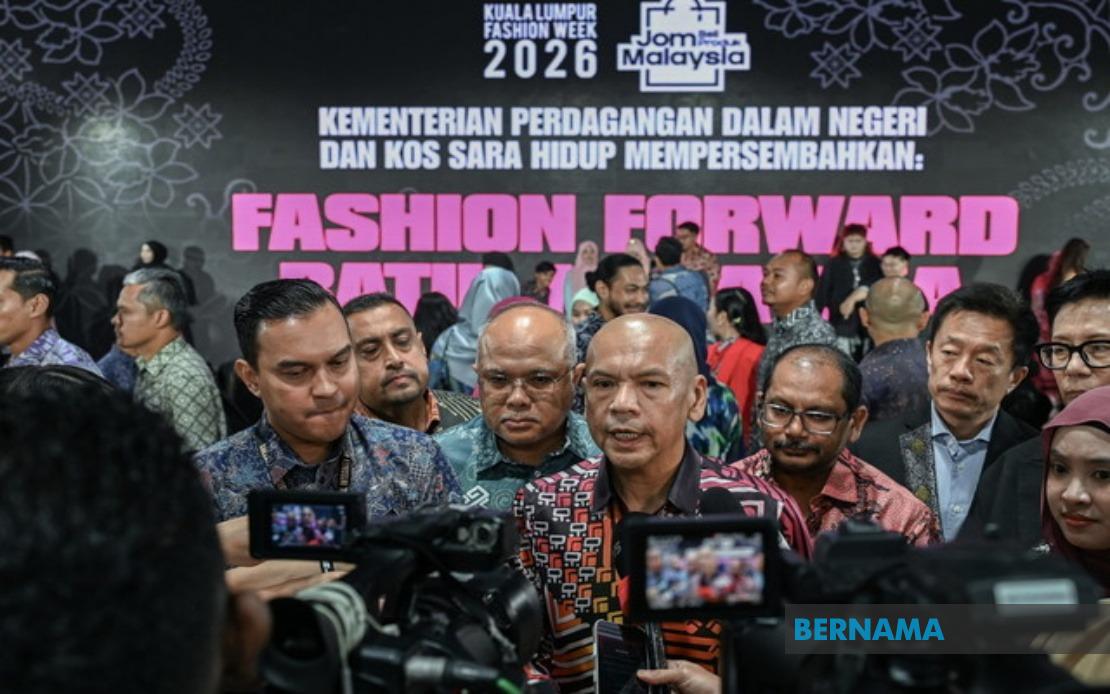
The government is actively seeking views from businesses, entrepreneurs and industry organisations to refine its approach to promoting Malaysian-made goods and reversing rising import dependency. Domestic Trade and Cost of Living Minister Datuk Armizan Mohd Ali announced that stakeholders across sectors can channel proposals and feedback directly to the ministry or relevant agencies, which will then be consolidated and presented to a Cabinet-level committee dedicated to empowering domestic product consumption. This consultative approach signals a shift toward more inclusive policymaking rather than top-down decision-making in the national drive to boost local manufacturers and suppliers.
The Cabinet Committee to Empower the Use and Purchase of Local Products, established in July and chaired by Deputy Prime Minister Datuk Seri Fadillah Yusof, represents a coordinated government response to fragmented efforts across multiple departments. Previously, different ministries pursued their own initiatives without sufficient alignment, creating inefficiencies and limiting impact. By consolidating direction through a single committee with KPDN serving as secretariat, the government aims to deliver coherent strategies that address systemic barriers facing local businesses while maintaining competitive standards. The committee's inaugural meeting is anticipated shortly, setting the stage for concrete policy announcements.
A persistent challenge driving this initiative is the flood of foreign products entering Malaysia through conventional retail channels and increasingly through e-commerce platforms, where enforcement of local purchasing preferences proves difficult. Small and medium-sized local entrepreneurs report growing anxiety about their ability to compete against imported goods that often benefit from economies of scale or aggressive pricing strategies. This concern extends beyond price competition to market visibility, with foreign brands dominating online marketplaces and benefiting from sophisticated digital marketing. By inviting structured feedback, the government acknowledges that solutions must address both supply-side manufacturing challenges and demand-side consumer behaviour across all sales channels.
The committee brings together representation from eight major government bodies including the Ministry of Economy, Ministry of Investment, Trade and Industry (MITI), Ministry of Tourism, Arts and Culture (MOTAC), and Ministry of Entrepreneur Development and Cooperatives (KUSKOP), alongside the Finance Ministry. This breadth of participation reflects recognition that supporting local products requires simultaneous action on trade policy, cultural promotion, entrepreneurial development, and financial incentives. Each ministry contributes distinct levers and constituencies; MOTAC's involvement, for instance, positions cultural identity and heritage as central to marketing local goods, particularly in sectors like batik and handicrafts where Malaysia holds genuine competitive advantages internationally.
The strategic importance of this initiative extends beyond domestic economic resilience. The government explicitly frames local product empowerment as a contributor to national gross domestic product growth and job creation. The cultural and creative industries alone contributed RM130.7 billion or 6.8 per cent to GDP according to the 2024 Cultural and Creative Satellite Account Report, demonstrating substantial economic weight. Supporting these sectors through coordinated procurement, export facilitation, and brand building generates employment across manufacturing, design, logistics and retail. For Southeast Asia's second-largest economy, reducing import intensity while developing value-added domestic production strengthens macroeconomic stability and reduces foreign exchange outflows.
A practical manifestation of this strategy is evident in KPDN's partnership with Kuala Lumpur Fashion Week (KLFW) 2026, which serves as both a showcase and market access point for Malaysian fashion and textile producers. The event achieved USD32 million in media value during its previous edition, demonstrating significant international visibility and reach. By positioning local designers and batik artisans on such a prestigious platform, the government leverages Malaysia's cultural heritage and contemporary creative talent to build international brand recognition. This approach differs from simple subsidy or protection—instead, it creates competitive advantages through quality, design innovation, and cultural authenticity that resonate globally. The Jom Beli Produk Malaysia (JOM MALAYSIA) movement represents the broader campaign umbrella coordinating these diverse initiatives.
For Malaysian exporters and manufacturers, this coordinated approach offers tangible opportunities. Clear policy direction reduces regulatory uncertainty, while coordinated promotion through multiple government channels amplifies marketing efforts. Access to international showcases and official endorsement enhances credibility with overseas buyers. Domestic entrepreneurs also benefit from reduced competition against foreign products in government procurement and from preferential access to public sector supply chains. However, success depends critically on the quality of feedback solicited from industry participants. Vague or generic responses will produce vague policies; detailed submissions addressing specific tariff barriers, standards requirements, digital marketing constraints and financing gaps will yield more practical interventions.
The invitation for stakeholder input also signals potential receptiveness to controversial approaches that local businesses may advocate. Some sectors may request tariff protection or import restrictions, proposals that carry trade implications and risk counter-measures from trading partners. Others may seek subsidised financing for export promotion or preferential government purchasing mandates. The government's willingness to hear such proposals does not guarantee acceptance, but the transparent consultative process provides a venue for legitimate grievances and creative solutions to be formally considered rather than dismissed out of hand. This transparency builds stakeholder confidence in the process and enhances the legitimacy of eventual decisions.
The timing of this initiative reflects current economic pressures and consumer sentiment. Rising cost of living and imported inflation have heightened public receptiveness to local product campaigns that appeal to both patriotic and pragmatic motivations. Consumers increasingly view supporting domestic goods as contributing to national economic health, particularly when quality is competitive. Marketing campaigns can effectively combine this sentiment with product quality messaging to shift purchasing behaviour. Young consumers and digital natives, reached through e-commerce platforms and social media, represent an important target audience willing to explore local alternatives if visibility and accessibility improve.
For neighbouring Southeast Asian countries, Malaysia's coordinated approach offers instructive lessons. Many regional economies face similar challenges of import dominance and struggling domestic manufacturing sectors. Malaysia's willingness to convene stakeholders, establish clear institutional responsibility, and align multiple ministries demonstrates that government can play a facilitative role without resorting to crude protectionism. Thailand, Vietnam and Indonesia have implemented comparable initiatives with varying success; Malaysia's emphasis on stakeholder consultation and cultural branding suggests a learning approach that may yield better-targeted results than past efforts.
The effectiveness of this initiative will ultimately depend on implementation rigour and government capacity to deliver on commitments. Stakeholder proposals will only strengthen policy if officials genuinely incorporate feedback rather than using consultation as a public relations exercise. Ministers must allocate budget and personnel to execute agreed strategies, coordinate across agencies despite institutional rivalries, and maintain momentum beyond initial announcements. Private sector participants should approach the feedback opportunity seriously, submitting evidence-based proposals grounded in specific problems rather than general complaints. The success of Malaysia's local product empowerment drive hinges on this mutual commitment to substantive engagement rather than symbolic gestures.

