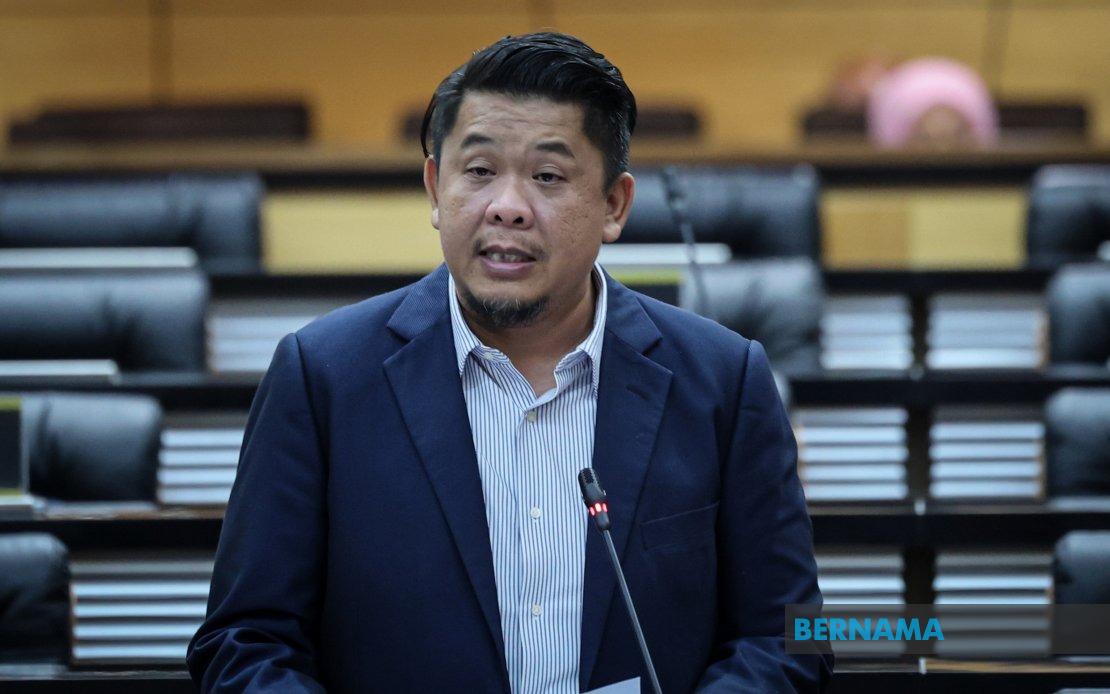
Malaysia has formally entered the race to reclaim a seat on the United Nations Security Council as a non-permanent member for the 2036–2037 term, signalling the country's renewed commitment to shaping global governance and peace initiatives. The move, announced through Deputy Foreign Minister Datuk Lukanisman Awang Sauni in Parliament, reflects Kuala Lumpur's determination to play a more active role in international security debates during a period of considerable geopolitical tension.
Central to Malaysia's candidacy is an ambitious reform agenda targeting the Security Council's permanent veto mechanism, which the country argues has become an obsolete relic that undermines the body's effectiveness. According to Datuk Lukanisman, Malaysia will champion the removal of veto powers entirely, or at minimum, their suspension in circumstances involving egregious breaches of international law. This principled stance addresses growing frustrations among developing nations and smaller powers who contend that the veto, concentrated among five permanent members, perpetuates inequality within the international system and shields powerful nations from accountability.
The deputy foreign minister highlighted specific scenarios where veto protections should be curtailed, particularly in cases involving war crimes, genocide, crimes against humanity, and deliberate attacks on civilian populations. His remarks carried implicit reference to recent conflicts, including the Gaza crisis, where Security Council gridlock has prevented unified international responses to humanitarian emergencies. Malaysia's emphasis on this issue resonates with numerous UN member states that have grown impatient with the Council's paralysis when permanent members deploy veto powers to protect allies or advance narrow geopolitical interests.
Foreign Minister Datuk Seri Mohamad Hasan will formally articulate Malaysia's security and reform priorities during the National Statement at the 81st UN General Assembly Debate scheduled for September in New York. This high-profile platform will allow Malaysia to broadcast its vision beyond parliamentary circles to the global audience, positioning the nation as a principled advocate for multilateral reform at a time when the UN system faces mounting legitimacy challenges. The timing coincides with broader international conversations about restructuring global institutions to reflect contemporary power distributions and developmental realities.
Malaysia's track record on the Security Council provides historical context for its renewed ambitions. The country has previously served as a non-permanent member, bringing perspectives from the Global South and Southeast Asia to security deliberations. A return engagement would grant Malaysia influence over negotiations on regional conflicts, humanitarian interventions, and peacekeeping operations—matters of direct concern to Southeast Asian stability and Malaysia's own security interests. As a Muslim-majority nation with significant geopolitical stakes in Middle Eastern affairs, Malaysia carries particular weight in discussions involving the Arab-Israeli conflict and related humanitarian crises.
The candidacy also reflects Malaysia's broader foreign policy orientation toward multilateralism and institutional reform. Rather than isolating itself from global governance structures or adopting a purely transactional approach to international relations, Kuala Lumpur is signalling commitment to constructive engagement with the UN system, even while demanding fundamental changes to how power operates within it. This balanced stance appeals to nations frustrated with the status quo but still invested in collective action through established channels.
The parliamentary discussion, triggered by a query from Datuk Seri Sh Mohmed Puzi Sh Ali, demonstrates the domestic political salience of international security issues in Malaysia. Lawmakers and constituents alike appear concerned about the disproportionate influence wielded by major powers through unilateral veto authority, particularly when such authority insulates allies from international oversight. By bringing the matter to parliamentary attention and articulating a clear position, the government has elevated UNSC reform to a matter of national interest rather than purely diplomatic maneuvering.
Malaysia's emphasis on abolishing or restricting the veto aligns with reform proposals that have circulated in international forums for decades, gaining new momentum as the UN approaches its 80th anniversary. Proposals have included expanding permanent membership to include developing economies, creating new categories of semi-permanent seats, or implementing voting thresholds that require broader consensus before veto authority applies. Malaysia's specific framing—that veto protection should never shield perpetrators of genocide or war crimes—appeals to humanitarian concerns and the principle that international law should supersede great-power interests.
Security Council membership would enhance Malaysia's diplomatic leverage on issues affecting Southeast Asia, including maritime disputes, transnational terrorism, and regional stability. A non-permanent seat, while temporary, grants Malaysia speaking rights, voting authority, and the platform to shape Council agendas on selected matters. For a nation positioned at the crossroads of global shipping lanes and regional great-power competition, such elevation carries strategic importance beyond symbolic prestige.
The 2036–2037 candidacy timeline allows Malaysia nearly a decade to build diplomatic support among UN member states, whose votes determine the outcome of Security Council elections. Smaller and medium-sized nations typically appreciate candidates that champion institutional reform and represent underrepresented regions. Malaysia's sustained emphasis on veto abolition and global peace architecture positions it competitively within this constituency, though the election outcome will ultimately depend on shifting geopolitical alignments and the positions adopted by other candidates.
Malaysia's submission thus represents more than a procedural step; it reflects a deliberate choice to remain engaged with global governance transformation at a moment when multilateral institutions face existential questions about legitimacy and efficacy. By coupling its candidacy with concrete reform proposals rather than accepting the Council as presently constituted, Malaysia articulates a vision of international relations rooted in equity, accountability, and collective responsibility—themes likely to resonate across the developing world as the election cycle unfolds.

