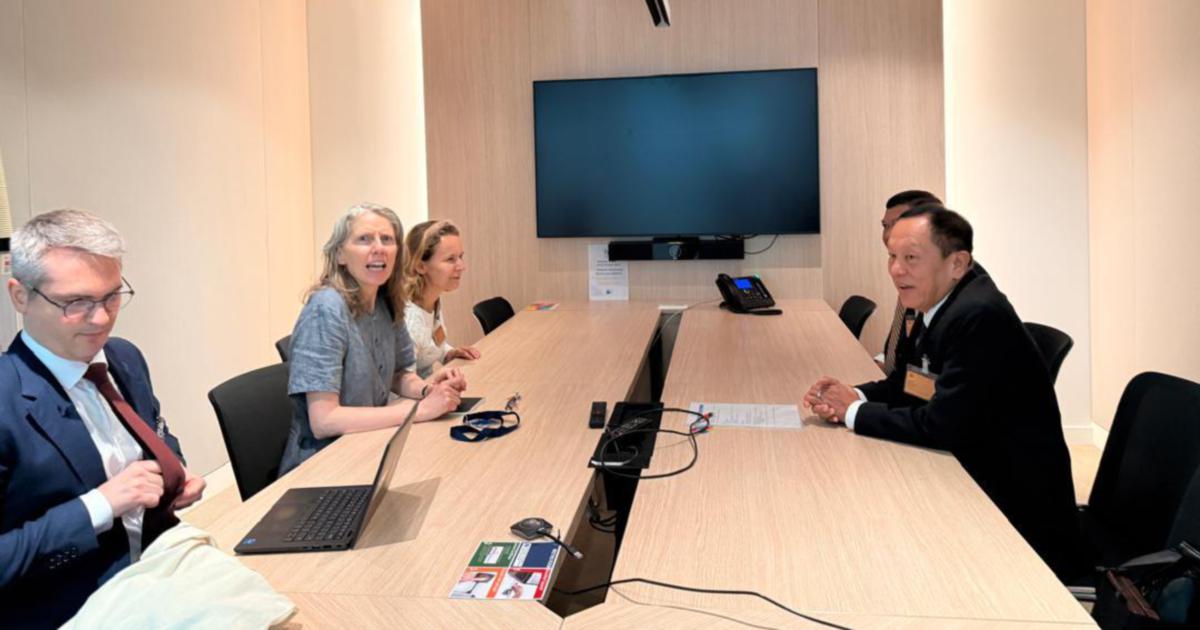
Malaysia has positioned itself as a key player in international anti-corruption efforts by bringing its hard-won expertise in recovering assets connected to the 1Malaysia Development Bhd scandal to an OECD anti-corruption forum in Paris. The decision to share the nation's experience at this influential gathering signals both the complexity of the case and its growing relevance as a benchmark for other countries tackling similar financial crimes.
The 1MDB scandal, which unfolded between 2009 and 2015, remains one of the most significant corruption cases in recent history. Billions of dollars were allegedly diverted from the state investment fund, with money traced to personal accounts, property purchases, and art acquisitions across multiple continents. Malaysia's subsequent efforts to untangle this web and recover stolen assets have involved cooperation with law enforcement agencies worldwide, from the United States to Singapore, Hong Kong, and Switzerland.
By presenting at the OECD gathering, Malaysia demonstrates the practical knowledge it has accumulated in pursuing cross-border asset recovery. The challenges faced—obtaining evidence across jurisdictions, navigating differing legal frameworks, coordinating with foreign agencies, and managing complex financial trails—offer valuable lessons for developing nations and advanced economies alike. Many countries struggle with similar scenarios involving high-level corruption, money laundering, and the concealment of ill-gotten gains in offshore havens.
The OECD platform provides a crucial venue for sharing such experiences, as member countries and observers seek to strengthen their anti-corruption frameworks. Malaysia's participation underscores the importance of the Malaysian Anti-Corruption Commission (MACC) as a credible institution capable of managing large-scale investigations and recovery operations. This visibility can strengthen Malaysia's standing in international anti-corruption networks and potentially enhance its ability to secure cooperation in future cases.
The 1MDB case itself serves as an instructive example of how massive fraud within a government entity can be systematically investigated and partially remedied through persistent institutional effort. While the full recovery of all diverted funds remains incomplete, Malaysia has succeeded in reclaiming substantial sums and pursuing criminal charges against key figures involved. The transparency of this process, conducted largely within Malaysia's judicial system while engaging international partners, demonstrates institutional resilience.
Asian countries face particular challenges in combating corruption within state enterprises and development funds, where political connections can complicate investigations. Malaysia's willingness to pursue accountability despite the involvement of prominent figures signals to neighbouring nations that no institution or individual is beyond scrutiny. This sends a powerful message about the possibilities and limitations of anti-corruption enforcement, even in circumstances where power and influence intersect with criminal activity.
The OECD anti-bribery meeting represents a forum where established anti-corruption methodologies are debated and refined. By contributing Malaysia's experience, the MACC gains access to best practices developed by other nations while potentially influencing international standards. This two-way exchange strengthens the global infrastructure for tackling corruption, particularly the transnational aspects that characterise modern financial crime.
For Southeast Asia specifically, Malaysia's participation carries additional significance. The region has struggled with corruption challenges, and success stories—especially those involving complex, high-profile cases—encourage peer countries to invest in their own anti-corruption institutions. The lesson that determined, technically competent agencies can achieve meaningful results in seemingly intractable situations resonates across the developing world.
Looking forward, Malaysia's role as a purveyor of anti-corruption expertise may enhance its diplomatic standing and create opportunities for deeper security and legal cooperation with international partners. Countries wrestling with corruption within their own sovereign wealth funds or development entities may seek Malaysia's counsel, effectively converting a painful national experience into a source of soft power and institutional credibility.
The 1MDB case remains unfinished in several respects, with ongoing civil suits and potential further recoveries. However, the progress made so far—coupled with the institutional learning embedded in MACC and the judiciary—demonstrates that persistence and international cooperation can yield tangible results. By sharing these experiences in Paris, Malaysia contributes to a global conversation about holding power accountable, a conversation that will likely define anti-corruption efforts for decades to come.

