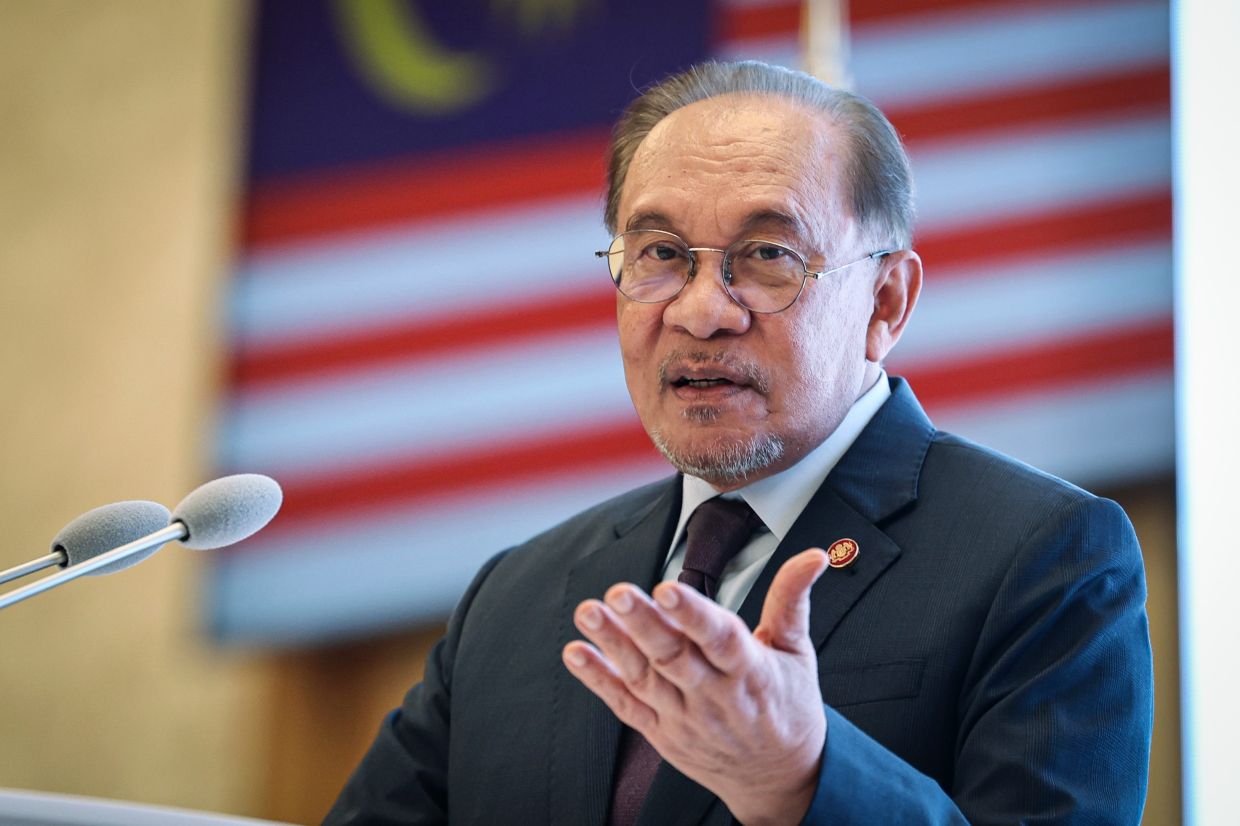
Prime Minister Datuk Seri Anwar Ibrahim has signalled that the long-awaited master plan for the Johor-Singapore Special Economic Zone (JS-SEZ) will reach completion within the near term, marking fresh momentum in one of Southeast Asia's most significant cross-border economic initiatives. The announcement came during a diplomatic engagement with Singapore President Tharman Shanmugaratnam, who is undertaking a three-day state visit to Malaysia from July 13 to 15 at the invitation of His Majesty Sultan Ibrahim, King of Malaysia. The convergence of these high-level talks with concrete progress updates underscores the importance both nations place on translating the JS-SEZ concept into a functioning framework that could reshape regional trade and investment patterns.
The JS-SEZ represents an ambitious attempt by Malaysia and Singapore to create a strategically integrated economic zone spanning the southern Malaysian state of Johor and the island nation. By pooling complementary economic strengths—Singapore's financial services and technology expertise alongside Johor's manufacturing capacity and natural resources—the initiative aims to generate employment, attract multinational investment, and create competitive advantages neither country could achieve independently. The zone's potential ramifications extend well beyond the two nations, as it could serve as a model for deeper integration within the Association of Southeast Asian Nations and influence how regional trade corridors develop over the coming decade.
Anwar, who holds the concurrent portfolio of finance minister, framed the discussions as part of a broader bilateral engagement on multiple fronts. During his courtesy call on President Shanmugaratnam, the two leaders exchanged perspectives on the overall trajectory of Malaysia-Singapore relations, contemporary regional geopolitical developments, and a range of issues identified as mutually beneficial to address. This multilayered diplomatic approach reflects recognition that economic cooperation, while important, functions most effectively within a framework of stable political relations and shared strategic understanding. By packaging the JS-SEZ discussions within this wider context, both governments signal to investors and regional observers that the economic partnership rests on solid foundational relationships.
A significant element of Anwar's statement centred on progress in resolving longstanding bilateral issues that have occasionally complicated Malaysia-Singapore ties. The Prime Minister highlighted that both governments have made headway in addressing several outstanding matters through diplomatic channels. This acknowledgment carries weight, given that Malaysia-Singapore relations have historically been marked by occasional friction over maritime boundaries, water supply agreements, and infrastructure disputes. The fact that both leaders publicly reaffirmed their commitment to resolving remaining issues through constructive dialogue, guided by principles of mutual respect and understanding, suggests a deliberate effort to clear potential roadblocks that could impede the JS-SEZ rollout or derail other collaborative initiatives.
The diplomatic language deployed by Anwar—emphasising trust, mutual respect, and shared prosperity—reflects a strategic pivot towards emphasising common ground rather than differences. This rhetorical approach matters because infrastructure megaprojects and cross-border economic zones require sustained cooperation across multiple government agencies, regulatory bodies, and private sector partners. When political messaging prioritises shared benefits and joint problem-solving, it creates an enabling environment for the technical teams working on implementation details to progress without having to navigate unnecessary political complications. For Malaysian and Singaporean businesses eyeing opportunities within the JS-SEZ, such public affirmations of goodwill reduce uncertainty and suggest that the initiative is unlikely to become entangled in diplomatic disputes.
The timing of President Shanmugaratnam's state visit merits consideration within Malaysia's broader foreign policy calendar. State visits are typically reserved for matters of considerable importance, and the three-day duration suggests comprehensive coverage of bilateral agenda items. By hosting the Singapore President at this juncture, Malaysia underscores its commitment to partnership with its closest neighbour and most economically integrated trading partner. For Singapore, the reciprocal gesture of a state visit to Malaysia—with formal protocol and ceremonial elements—reinforces the symbolic importance of bilateral relations at a time when both nations are navigating evolving regional dynamics and seeking to strengthen their economic resilience.
The JS-SEZ initiative carries particular significance for Johor, which has long positioned itself as a gateway between Malaysia and Singapore. The state government has invested considerable political capital in promoting the zone as a transformative economic opportunity, and completion of the master plan would validate years of preparatory work. For investors and business stakeholders in the region, a finalised master plan would provide the regulatory clarity and institutional framework necessary to commit capital and resources. The zone could potentially catalyse development in Johor's southern districts, generate skilled employment opportunities, and position the state as a premier investment destination for companies seeking operational bases in one of Southeast Asia's most dynamic regions.
From a regional perspective, the JS-SEZ embodies a model of pragmatic economic cooperation between nations with distinct political systems and strategic interests. Unlike some cross-border initiatives that have foundered on sovereignty concerns or ideological differences, the JS-SEZ has maintained momentum by focusing on concrete economic benefits and maintaining clear governance structures. As other Southeast Asian countries explore similar arrangements—whether bilateral special zones or multilateral economic corridors—the successful completion and operationalisation of the JS-SEZ could provide valuable lessons and a proven template. Malaysia and Singapore's ability to deliver on this initiative would strengthen confidence in regionalism and demonstrate that ASEAN members can pursue ambitious integration projects whilst respecting national interests.
Looking ahead, the movement towards finalising the master plan signals that both governments are prepared to transition from the planning and consultation phases into substantive implementation. This shift carries implications for Johor's development trajectory, Singapore's access to manufacturing and resources, and the broader regional economic landscape. The successful launch of the JS-SEZ could unlock new investment flows, foster innovation through cross-border collaboration, and create employment pathways for Malaysian and Singaporean workers. For policymakers across ASEAN, the initiative represents a test case in whether deeply integrated economies can construct mutually beneficial frameworks that enhance competitiveness whilst maintaining political autonomy and regulatory independence.

