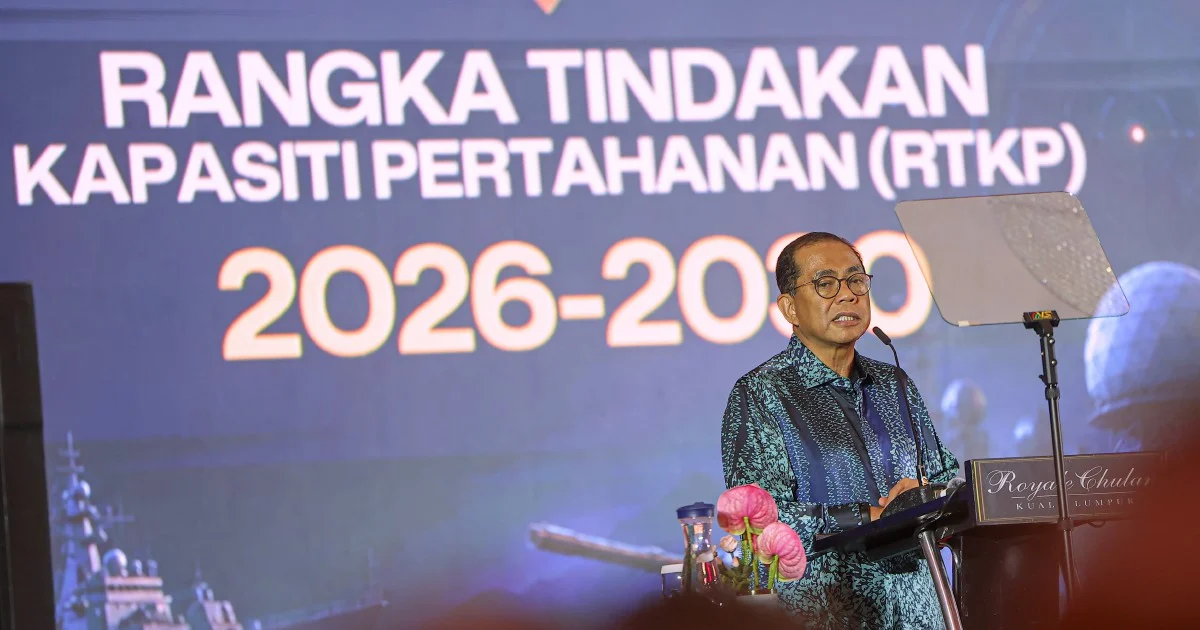
The Malaysian government has indicated its willingness to work through the complications arising from Norway's decision to withdraw from a missile supply agreement tied to the Littoral Combat Ship project, Defence Minister Datuk Seri Mohamed Khaled Nordin announced in Kuala Lumpur. The minister's statement suggests a diplomatic opening to negotiate terms and seek remedies following the Scandinavian nation's termination of its contractual obligations.
The Littoral Combat Ship initiative represents a significant modernisation effort for the Royal Malaysian Navy, aimed at strengthening Malaysia's naval capabilities and maritime security posture in the strategically important waters of Southeast Asia. The project has been subject to multiple delays and revisions over the years, and the Norwegian missile contract cancellation adds another layer of complexity to an already protracted acquisition programme. Understanding the broader context of this defence procurement helps illuminate why the government's measured response carries considerable weight in diplomatic circles and defence policy discussions.
Norway's withdrawal from the missile supply arrangement strikes at the operational heart of the LCS programme, as the vessel's combat effectiveness depends significantly on the integration of sophisticated weapons systems. The missiles were intended to form a critical component of the ship's defensive and offensive capabilities, enabling it to conduct patrol operations, enforce maritime security, and respond to regional security challenges. Without alternative weaponry solutions readily available, the LCS vessels risk operating with diminished combat potential, a factor that likely drives Malaysia's interest in resolving the impasse.
The reasons underlying Norway's decision to cancel remain significant to understanding the diplomatic dimensions of this dispute. Norwegian export policies, which balance commercial considerations against strict adherence to human rights standards and international law commitments, have historically influenced defence equipment sales. Whether the cancellation relates to political sensitivities, compliance concerns, or strategic reassessments on Norway's part shapes the negotiating environment and potential pathways to resolution.
Minister Khaled's statement indicates that Malaysia does not regard this situation as irreversible. The government's stated preparedness to engage constructively suggests it views dialogue as the appropriate mechanism for untangling what has become a contractual and diplomatic entanglement. This approach reflects Malaysia's broader commitment to maintaining productive relationships with international partners while protecting its defence interests and national security requirements.
For regional observers, Malaysia's diplomatic posture carries implications beyond bilateral Malaysia-Norway relations. As a middle power pursuing defence modernisation in a strategically contested region, Malaysia's ability to navigate complex procurement arrangements and international partnerships influences confidence in its capacity to maintain maritime security and uphold its territorial interests in the South China Sea and beyond. The LCS programme itself has attracted scrutiny from neighbouring nations and global observers monitoring the military balance in Southeast Asia.
The timing of Minister Khaled's comments also warrants consideration. Coming at a moment when regional tensions remain elevated and maritime security challenges persist, Malaysia's focus on resolving contractual disputes demonstrates that the government prioritises practical solutions over protracted conflicts. This pragmatic stance may reflect recognition that international defence cooperation, despite occasional friction, remains essential to Malaysia's security architecture.
From a procurement perspective, the cancellation creates urgent pressure to identify alternative solutions. Malaysia may need to pursue substitute missile systems from other suppliers, potentially from Western allies, regional partners, or established defence exporters. Each option carries distinct implications for cost, integration timelines, and strategic relationships. The flexibility of the LCS platform design becomes crucial in determining how readily alternative weapons can be incorporated without requiring extensive reconfiguration or additional investment.
The broader significance of this episode extends to questions about reliability in international defence contracts and the extent to which political considerations can override commercial agreements. For Malaysia and other Southeast Asian nations seeking to upgrade military capabilities through foreign partnerships, the stability and predictability of such arrangements directly influences procurement decisions and defence planning. Successful resolution of the Norway dispute sends important signals about Malaysia's capacity to manage complex international relationships and protect its defence interests through diplomatic channels.
Beyond the immediate technical and contractual dimensions, the situation highlights recurring challenges in translating defence ambitions into operational reality. The LCS programme has encountered numerous obstacles since its inception, and the Norwegian missile cancellation exemplifies how external factors beyond Malaysia's control can disrupt carefully planned defence modernisation trajectories. Yet Minister Khaled's determination to pursue resolution suggests the government remains committed to bringing the project to functional completion despite such complications.
Moving forward, successful negotiation with Norway will likely require addressing underlying concerns while seeking mutually acceptable terms. Malaysia must balance its national security imperatives with recognition of Norway's legitimate interests and constraints. Simultaneously, Norway may recognise the value of maintaining defence partnerships across the Indo-Pacific region and preserving its reputation as a reliable supplier. Finding common ground within this framework represents the practical challenge now confronting both nations.
The resolution of the LCS missile issue carries broader implications for Malaysia's defence modernisation agenda and its positioning within regional security architectures. As Southeast Asia's strategic environment continues to evolve, Malaysia's ability to acquire and integrate modern defence systems remains central to its capacity to safeguard sovereignty and contribute to regional stability. Minister Khaled's commitment to resolving the Norwegian dispute thus represents more than routine diplomatic engagement—it reflects Malaysia's determination to overcome obstacles and maintain forward progress on critical national security priorities.

