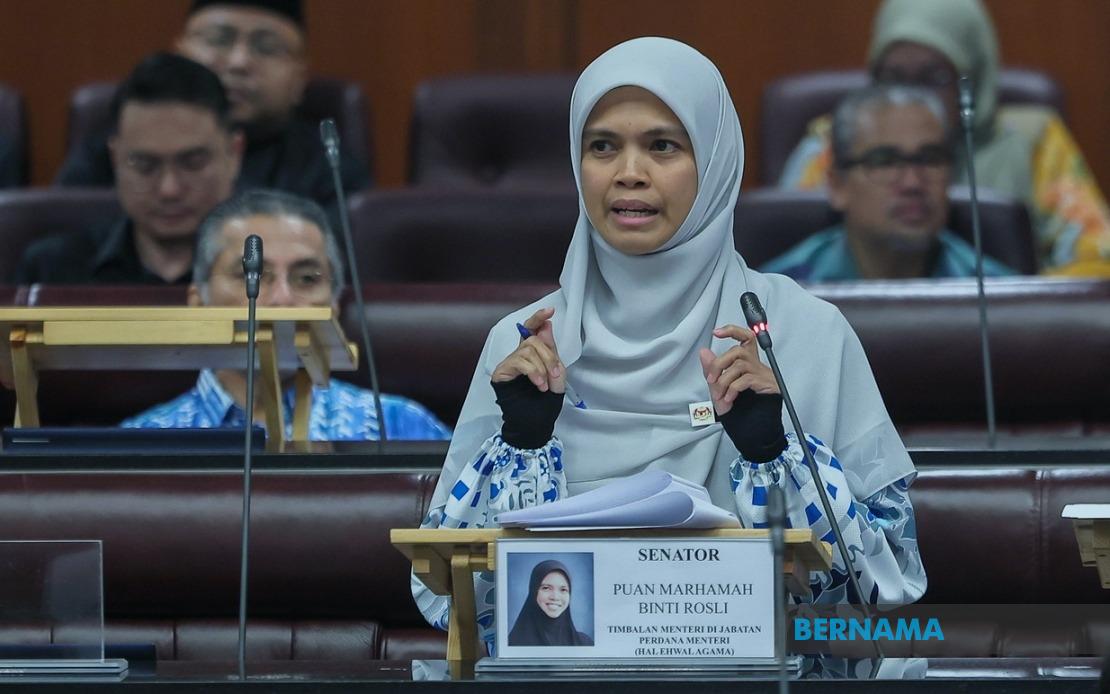
The Malaysian government is substantially ramping up efforts to deepen Islamic practice and education among the Muslim Orang Asli population, with Deputy Minister in the Prime Minister's Department (Religious Affairs) Marhamah Rosli announcing a dual-track approach combining immediate interventions with long-term structural reforms. The initiative reflects growing federal attention to religious instruction within indigenous communities that have historically faced gaps in access to formal Islamic learning and spiritual guidance.
At the foundation of this expanded effort lies the strengthening of Fardu Ain (KAFA) classes—daily Islamic religious education—alongside broader dakwah campaigns timed to coincide with significant Islamic festivals throughout the year. The government recognizes these periods as catalysts for renewed engagement, using major celebrations as platforms to reinforce Islamic teachings whilst simultaneously building human capacity within Orang Asli settlements. This seasonal approach acknowledges both cultural windows of opportunity and resource constraints in reaching dispersed rural communities.
The operational structure driving these programmes relies heavily on community-embedded workers, particularly the Orang Asli Community Mobilisers (PMOA) system. By recruiting coordinators and field officers directly from within Orang Asli populations, the government aims to bridge cultural and linguistic divides that often impede outreach effectiveness. This localized approach represents a strategic pivot towards sustainability and cultural authenticity, recognizing that grassroots acceptance and message penetration depend substantially on messengers who share community identity and understand local contexts.
Regular interpersonal engagement forms another pillar of the strategy. Government teams conduct ongoing home visits and community gatherings to deliver not merely religious instruction but also practical welfare support and spiritual counselling. This integrated model treats Islamic education not as abstract doctrine but as a framework embedded within broader community welfare, addressing material needs alongside spiritual development. Such comprehensive engagement attempts to demonstrate Islam's practical relevance to daily life in Orang Asli villages.
The institutional architecture underpinning these efforts involves coordinated action among multiple agencies. The Department of Islamic Development Malaysia (JAKIM), the Islamic Dakwah Foundation Malaysia (YADIM), and state-level Islamic religious departments and councils are working in concert to align messaging, coordinate resources, and eliminate duplication. This collaborative structure allows the federal government to leverage specialized expertise whilst ensuring state and local adaptation, creating what officials describe as a coherent ecosystem rather than fragmented initiatives.
Religious infrastructure has received tangible investment. The government funds 13 administrative assistants through JAKIM who operate religious classes within prayer halls across Orang Asli villages, providing sustained institutional presence. More significantly, the government has systematized religious leadership by formally appointing 75 imams and 66 bilals from within Orang Asli communities themselves. These appointments represent institutional recognition of indigenous religious authority and practical capacity-building, ensuring that religious services do not depend on external clerics unfamiliar with local contexts.
Longer-term ambitions extend beyond immediate programming toward institutional permanence. A dedicated Special Orang Asli Dakwah Unit has been established within JAKIM's Dakwah Division, housed alongside the Du'at Development Division to coordinate strategy and improve programme effectiveness across the entire Orang Asli population. This structural innovation signals that the government views Orang Asli Islamic development as a discrete policy domain requiring specialized institutional attention rather than peripheral consideration within general Islamic affairs administration.
The scale of mobilization is substantial. Seven PMOA coordinators oversee a network of 243 field-based PMOAs operating under JAKIM's direct authority, creating a distributed management structure capable of implementing programmes across geographically dispersed settlements. This personnel investment demonstrates commitment extending beyond rhetorical pledges to actual resource allocation, though the adequacy of these numbers for reaching all Muslim Orang Asli communities remains an open question given the dispersed nature of settlements across multiple states.
For Malaysian observers, this initiative carries implications extending beyond religious instruction alone. The historical marginalization of Orang Asli communities—economically, educationally, and politically—means that targeted investment in any form of human development addresses broader inclusion deficits. Islamic education serves simultaneously as spiritual formation and as a vector for conveying literacy, numeracy, and civic values. Success in this domain could model approaches for other development initiatives targeting indigenous populations.
Regionally, the programme reflects Southeast Asian governments' broader engagement with indigenous populations around questions of identity and religious practice. Malaysia's approach of embedding religious authority locally whilst maintaining federal coordination parallels models used elsewhere in the region, suggesting emerging best-practice consensus that effective outreach to dispersed populations requires hybrid approaches combining state capacity with community legitimacy.
Monitoring effectiveness presents inherent challenges. Deputy Minister Rosli indicated that placement of PMOA staff and appointment of local religious leaders serves as a mechanism for programme evaluation, implying that presence and institutional integration themselves constitute success metrics. However, deeper questions about actual behavioural change, religious knowledge acquisition, and sustained practice require more granular measurement approaches not fully elaborated in the parliamentary response. Future reporting should clarify what metrics the government employs to assess whether programmes genuinely deepen Islamic practice or merely expand institutional reach.
The initiative ultimately reflects a government recognition that Muslim Orang Asli communities represent both a policy priority and a distinct demographic requiring tailored approaches. By investing in localized religious infrastructure, community-embedded mobilizers, and specialized government units, Malaysia is attempting to address a historical gap between formal Islamic state institutions and indigenous populations. Whether these programmes generate sustainable change depends substantially on implementation quality, adequate resourcing over time, and genuine community endorsement—factors that extend well beyond announced policy frameworks.

