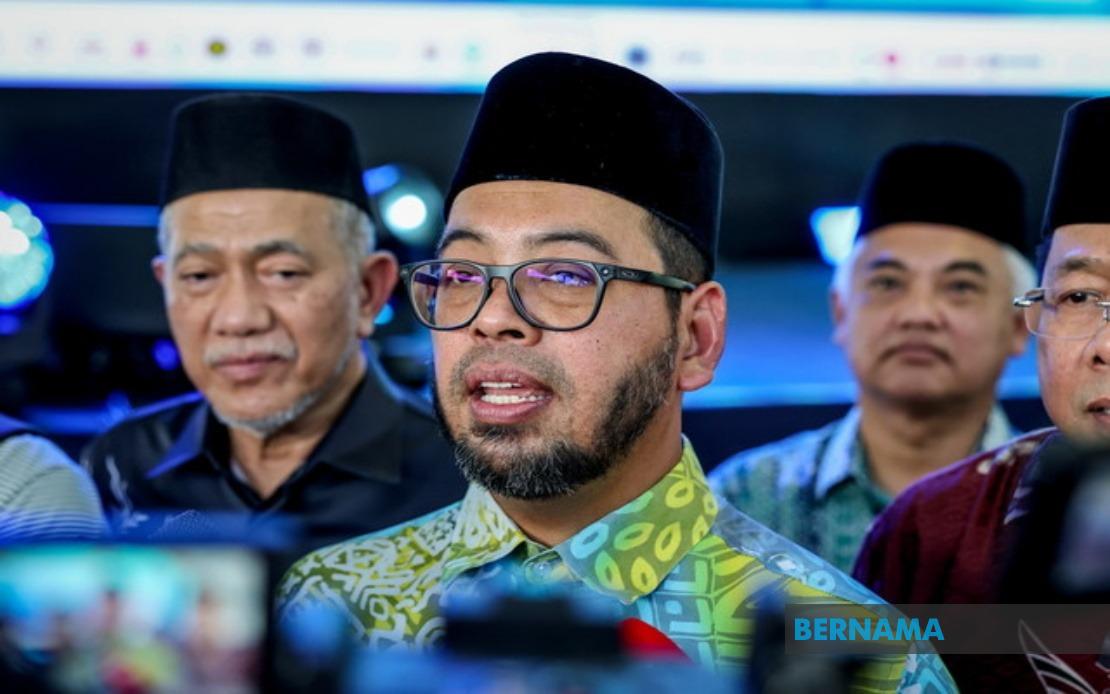
Malaysia's standing as a world leader in managing Islamic affairs has strengthened considerably, driven by robust institutional frameworks and evidence-based policies that have earned admiration from international observers and scholars. Religious Affairs Minister Dr Zulkifli Hasan underscored this position while addressing the Northern Zone MADANI Ulama and Umara Multaqa at Masjid Timah in Permatang Pauh, emphasising that global data and independent assessments consistently place the nation among the foremost countries in this domain.
The minister's assertions carry weight because they counter a persistent narrative in certain circles that Islam faces marginalisation or erosion in Malaysia. International perception, Dr Zulkifli argued, tells a markedly different story—one in which Malaysia actively shapes the global discourse on Islamic affairs rather than merely defending its position. During his diplomatic engagements abroad, he noted, other nations frequently seek Malaysia's insights and experiences, treating the country as a benchmark for how Islam can be thoughtfully integrated into a plural, modern state.
One of Malaysia's flagship achievements resides in its halal certification system, administered by the Department of Islamic Development Malaysia (JAKIM). This framework has transcended domestic applications to become a model studied and emulated internationally. The system's rigour and transparency have established Malaysia not merely as a halal-producing nation but as an authority that sets standards others aspire to meet. For Malaysian exporters and producers, this reputation constitutes a substantial competitive advantage in global markets where halal assurance commands premium positioning and consumer trust.
The Islamic finance sector exemplifies another domain where Malaysia holds unequivocal leadership. The country has maintained its position as the world's premier Islamic finance hub for eleven consecutive years—a distinction reflecting decades of regulatory innovation, institutional development, and market sophistication. This sector has evolved from niche offerings into a substantial pillar of Malaysia's economic architecture, with Kuala Lumpur hosting the regional headquarters of major international Islamic financial institutions. For investors and financial professionals across Southeast Asia, Malaysia's Islamic finance ecosystem represents both a destination and a standard against which other regional efforts are measured.
Management of the hajj pilgrimage through Lembaga Tabung Haji has similarly earned recognition for its comprehensive approach to supporting Malaysian pilgrims. Beyond logistical coordination, this institution has been acknowledged internationally for its capacity to manage millions of transactions, provide transparent financial stewardship, and ensure pilgrims undertake their religious obligations with dignity and security. The accolades received reflect systems thinking applied to a spiritually significant annual migration.
On the educational front, Malaysia has constructed an expansive ecosystem supporting Islamic learning at multiple levels. The government's initiative to strengthen the Kelas Al-Quran dan Fardu Ain (KAFA) curriculum through the KAFA 2.0 programme signals a shift towards practical application of Islamic principles rather than rote learning of theological concepts. This pedagogical reorientation addresses a persistent challenge in religious education globally—ensuring that religious knowledge translates into ethical action and informed citizenship.
The comprehensive tahfiz system represents another distinctive institutional achievement. Malaysia's framework encompasses not only the National Tahfiz Council and a standardised National Tahfiz Policy but also formal certification through the Malaysia Tahfiz Certificate. Critically, this system creates pathways enabling hafiz graduates to pursue technical, professional, and higher education qualifications, avoiding the false choice between religious specialisation and secular career advancement. This integrated approach acknowledges that producing huffaz capable of contributing to national development requires connectivity with broader educational and professional ecosystems.
The government's emphasis on producing professional huffaz reflects contemporary realities—religious scholars must possess not only theological grounding but also communications skills, understanding of contemporary social challenges, and capacity to engage diverse audiences. Malaysia's investment in this direction positions the nation to nurture religious leaders equipped for twenty-first-century demands rather than nineteenth-century configurations.
Beyond policy frameworks, institutional support for Islamic education remains substantive. The contribution of Yayasan Takwa—providing RM280,000 distributed among 28 mosques in Penang, with each receiving RM10,000, plus comparable support for selected religious schools—illustrates how public and private sector actors collaborate to strengthen grassroots Islamic infrastructure. These gestures, while individually modest, aggregate into meaningful support for community-level religious institutions that form the foundation of Malaysia's broader Islamic affairs management system.
For Malaysian policymakers and institutional leaders, maintaining this international standing requires sustained commitment to institutional excellence, transparency in halal and Islamic finance standards, and continuous pedagogical innovation in religious education. The recognition Dr Zulkifli referenced is neither permanent nor automatic—it reflects current performance that could be eroded by policy slippage or institutional decline.
For Southeast Asian nations navigating the intersection of Islamic identity and multicultural governance, Malaysia's model offers both inspiration and practical lessons. The approach demonstrates that robust management of Islamic affairs and religious pluralism need not be antagonistic; indeed, international credibility in managing Islamic affairs often stems from successful coexistence with other faith communities and secular governance principles.
Looking forward, Malaysia's challenge involves sustaining innovation across these domains while remaining responsive to evolving global standards and expectations. The international observations Dr Zulkifli referenced represent not merely acknowledgment of past achievements but baseline expectations that Malaysia must continually exceed. This dynamic positioning—simultaneously recognised as a global leader while perpetually required to demonstrate contemporary relevance—underscores the pressures facing Malaysian institutions tasked with managing Islamic affairs in an increasingly complex, interconnected world.

