Malaysia's government has committed to establishing at least 1,000 MADANI Recreational Parks across the nation by 2030, part of a broader strategy to ensure equitable access to green spaces and recreational amenities for all communities. According to Mansor Mohamad, director-general of the National Landscape Department, the initiative has gained considerable momentum, with 216 parks fully operational as of 2025 and a further 100 currently under construction this year.
The financial commitment underpinning this initiative is substantial. Each MADANI Recreational Park costs between RM400,000 and RM500,000 to construct, with variations depending on site dimensions and architectural design specifications. This pricing structure suggests a comprehensive approach to park development, encompassing not merely basic infrastructure but thoughtfully designed recreational spaces that serve genuine community needs. The cumulative investment required to reach the 1,000-park target would represent a significant portion of the government's public infrastructure spending, reflecting the political priority assigned to this initiative.
A critical design philosophy driving the MADANI parks programme is the incorporation of universal design principles, ensuring that recreational facilities accommodate persons across the entire demographic spectrum. This encompasses children and teenagers seeking active play areas, adults pursuing leisure and fitness activities, senior citizens requiring age-appropriate amenities, and persons with disabilities who may face accessibility barriers in conventional parks. By intentionally designing parks to serve these diverse populations, the government addresses a longstanding gap in Malaysian public infrastructure where accessibility considerations have historically been secondary to basic provision.
The strategic placement of these parks within residential communities rather than in distant locations reflects practical thinking about urban planning and community engagement. Parks integrated into neighbourhood fabric tend to attract higher usage rates, foster social cohesion, and contribute more meaningfully to local quality of life metrics. This approach contrasts with earlier development patterns where recreational facilities were sometimes concentrated in city centres, rendering them inaccessible to residents of outlying areas or lower-income settlements.
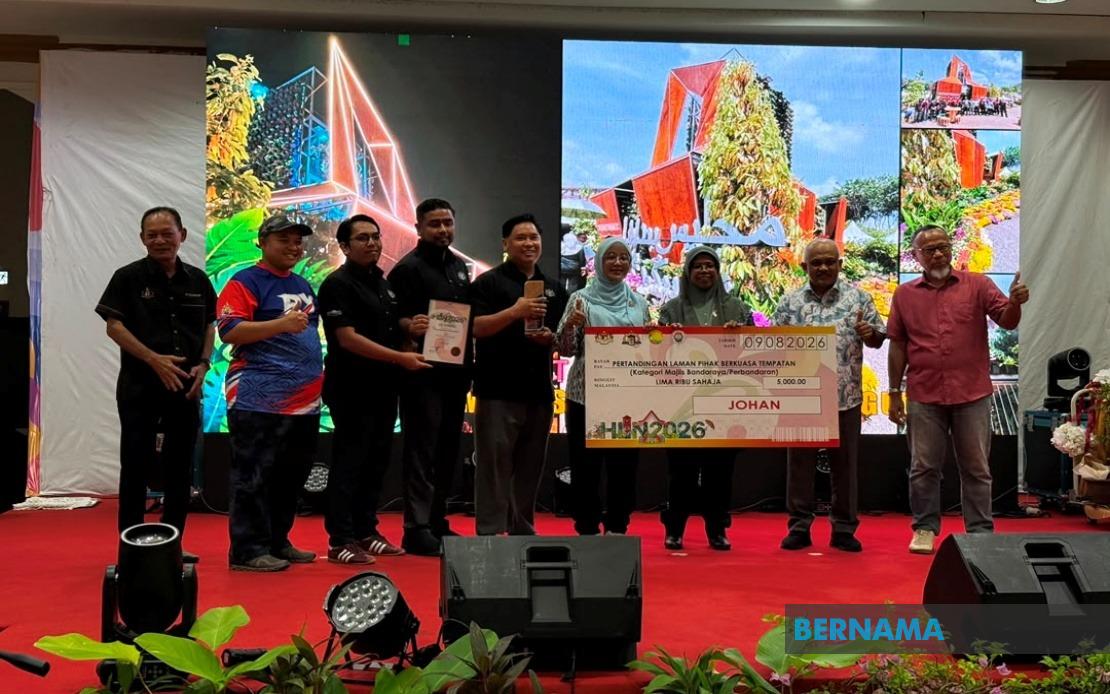
The recent National Landscape Day celebration in Melaka, which officially concluded after a four-day run, demonstrated considerable public enthusiasm for this agenda. The event drew approximately 80,000 visitors, suggesting strong community interest in landscaping, park development, and environmental beautification initiatives. Deputy Housing and Local Government Minister Datuk Aiman Athirah Sabu's participation underscores the initiative's status as a priority policy area within the government's broader housing and local development portfolio.
Beyond its immediate recreational purpose, the MADANI parks programme functions as an economic stimulus within the landscaping and horticulture sectors. The National Landscape Day celebration provided entrepreneurs and service providers in these industries with a platform to showcase products and generate sales opportunities. As the initiative scales toward its 1,000-park target, landscaping businesses, nurseries, equipment suppliers, and design firms stand to benefit from sustained procurement demand, potentially creating employment across multiple tiers of the green industry value chain.
For Malaysian communities, particularly those in growing townships and suburban areas where public recreational infrastructure has not kept pace with population expansion, the MADANI initiative addresses a pressing quality-of-life concern. Inadequate public parks contribute to sedentary lifestyles, reduced outdoor social interaction, and diminished environmental amenities. By systematically building accessible recreational spaces, the government is attempting to reverse these trends and embed environmental stewardship into community identity.
The programme's universality mandate also carries implications for social inclusion and equity. Many Malaysian communities with significant populations of senior citizens or persons with disabilities have historically lacked leisure facilities tailored to their needs. Purpose-designed MADANI parks promise to rectify this exclusion, enabling fuller social participation and addressing age-related and disability-related barriers that conventional recreational infrastructure inadvertently perpetuates.
Looking ahead, the National Landscape Department has already signalled its commitment to sustaining momentum beyond 2025. Plans for next year's National Landscape Day celebration are commencing immediately, with emphasis on identifying geographically suitable locations and gathering input from diverse stakeholders. This staged approach suggests realistic recognition that achieving the 1,000-park target requires sustained political commitment, consistent budgetary allocation, and iterative refinement based on community feedback and implementation experience.
The MADANI parks initiative also reflects emerging Malaysian policy recognition that urban and suburban environmental quality directly influences public health, mental wellbeing, and social cohesion. As Malaysia continues its urbanisation trajectory and population densification in major metropolitan areas, green space preservation and creation become increasingly critical to maintaining liveable communities and preventing the environmental degradation that has characterised rapid urbanisation in other regional contexts.
Regional observers may note that Malaysia's systematic approach to park development compares favourably with piecemeal approaches adopted elsewhere in Southeast Asia, where recreational infrastructure development has often lagged behind housing construction. The MADANI initiative's explicit focus on accessibility, community integration, and universal design principles suggests a maturing approach to inclusive urban development within the Malaysian context.

