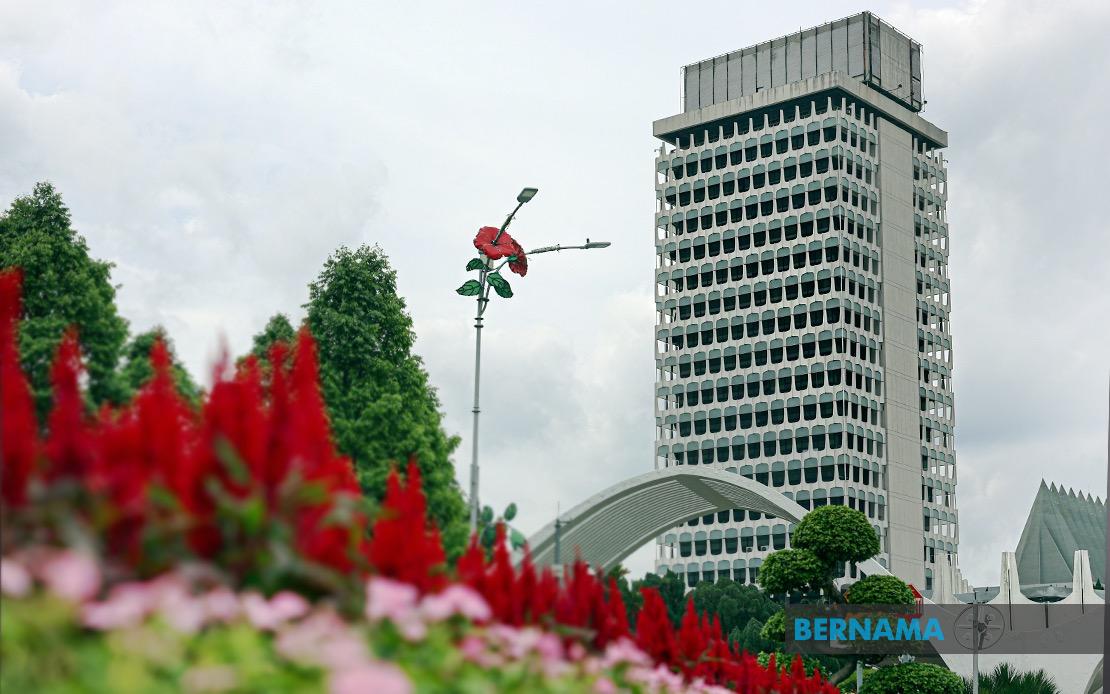
Lawmakers are set to examine two matters of substantial economic and strategic consequence during today's parliamentary sitting: the prospective gains Malaysia can harvest from the Malaysia-Thailand Border Economic Zone initiative and the mounting pressures created by instability in one of the world's most critical maritime passages. The Dewan Rakyat, beginning at 10 am, will hear government positions on these cross-border and international concerns, signalling parliament's ongoing focus on challenges that affect both regional commerce and national security.
The Malaysia-Thailand Border Economic Zone has emerged as an ambitious partnership designed to unlock dormant commercial potential along the shared frontier. Datuk Adnan Abu Hassan, representing Kuala Pilah under the Barisan Nasional coalition, will press the Prime Minister to articulate clearly what financial advantages the nation can realistically expect from this undertaking. Beyond headline figures, his query extends deeper into equity—specifically how the government intends to structure participation so that small enterprises and grassroots communities in border localities genuinely benefit rather than remaining spectators to development conceived in distant capitals. This focus reflects legitimate parliamentary concern that large-scale cross-border initiatives can inadvertently concentrate gains among larger corporations whilst leaving peripheral communities with broken promises.
The mechanism for inclusive growth remains a persistent challenge in Southeast Asian economic partnerships. Border regions historically lag their national counterparts in per capita income and infrastructure quality, and shared-boundary zones risk replicating this disparity without deliberate intervention. Malaysian lawmakers are correct to demand specificity on how smallholder farmers, traders, and service providers in Perlis, Kedah, and Terengganu will access genuine commercial opportunities. Without transparent frameworks and accessible financing, such zones risk becoming extractive corridors benefiting distant shareholders rather than catalysts for sustainable prosperity.
Parallel to the Malaysian-Thai initiative, parliament will grapple with the destabilising effects of prolonged tensions surrounding the Strait of Hormuz. Datuk Rosol Wahid, representing Hulu Terengganu from the Perikatan Nasional coalition, has framed a searching question about the government's assessment of how these Middle Eastern rivalries reverberate through Malaysian political and economic systems. The Strait remains one of the world's indispensable commercial arteries—approximately 21 per cent of global petroleum traffic transits these narrow waters—making any disruption consequential for energy-dependent economies across Asia, including Malaysia.
The ripple effects of Hormuz instability extend far beyond oil markets. Shipping insurance premiums rise, transit times lengthen, and commercial confidence wavers when geopolitical temperatures climb in that region. For a trading nation like Malaysia that depends substantially on unobstructed sea lanes for both imports and exports, such volatility poses genuine economic jeopardy. Lawmakers will rightfully expect the government to articulate not merely its passive monitoring of events but concrete measures—diplomatic engagement, diversified sourcing strategies, contingency shipping arrangements—intended to insulate the national economy from external shocks beyond Malaysia's immediate control.
The question also implicitly addresses political stability, acknowledging that prolonged economic strain triggered by external crises can generate domestic discontent and social friction. Malaysian policymakers must balance transparency about risks with measured communication that avoids unnecessary panic whilst mobilising realistic preparedness. Neighbouring Indonesia and Singapore have invested substantially in strengthening port infrastructure and alternative logistics networks precisely because they recognise that Hormuz disruptions demand proactive national response rather than passive hope.
Beyond these headline questions, parliament will confront pressing domestic security matters. Datuk Yusuf Abd Wahab from Tanjong Manis, representing the GPS party, will interrogate the Transport Ministry on its strategy to eradicate illegal highway racing, an issue thrust into public consciousness following a fatal incident in Simpang Renggam, Johor on June 1. This inquiry reflects genuine parliamentary interest in translating tragic events into systemic reforms rather than allowing public memory to fade without institutional learning. Illegal street racing represents more than mere youth indiscretion—it poses material public safety risks and suggests gaps in enforcement, surveillance, and preventive capacity.
Following these exchanges, parliament will proceed to the first reading of two legislative proposals: the Statistics Bill 2026 and the National Trust Fund Bill 2026. The statistics legislation warrants particular attention given Malaysia's ongoing efforts to strengthen its data infrastructure and statistical governance. Reliable data underpins evidence-based policymaking, and enhanced statistical frameworks should facilitate better targeting of development initiatives, more accurate economic forecasting, and improved accountability across government agencies.
The Trust Fund legislation likely addresses mechanisms for long-term resource stewardship and intergenerational equity, though its specific provisions merit detailed parliamentary scrutiny during subsequent readings. Trust funds, properly designed, can insulate critical national assets and social provisions from short-term political pressures whilst ensuring sustainable financing models for essential services.
Minister in the Prime Minister's Department Datuk Seri Azalina Othman Said will table findings from the Parliamentary Special Select Committee on Constitutional Amendments relating to the separation of Attorney General and Public Prosecutor roles. This institutional reform addresses a foundational governance question—whether these offices should operate with clearer independence from one another to strengthen prosecutorial objectivity and democratic accountability. Azalina's committee undertook seven sessions of deliberation, refining its recommendations through seven substantive improvements designed to enhance institutional independence, integrity standards, and transparency mechanisms.
The separation of these roles acknowledges that concentrating prosecutorial authority and legal counsel functions within single institutional structures can create perverse incentives and opacity. Independent prosecution services, insulated from political pressure whilst remaining accountable to democratic institutions, represent a hallmark of mature legal systems. Malaysia's constitutional reformers are engaging with legitimate questions about separation of powers and institutional design that resonate throughout Southeast Asia, where questions of prosecutorial independence remain contested terrain.
The current parliamentary sitting extends across 16 days from June 22 through Thursday, providing extended opportunity for sustained legislative debate and government accountability. This extended calendar reflects parliament's intention to move beyond episodic questioning toward comprehensive policy examination. Lawmakers will advance complex domestic and international concerns simultaneously—the Malaysia-Thailand Border Economic Zone, Strait of Hormuz strategic risks, highway safety enforcement, statistical governance reform, trust fund structures, and prosecutorial independence—underscoring parliament's role as a forum for comprehensive national conversation on governance.

